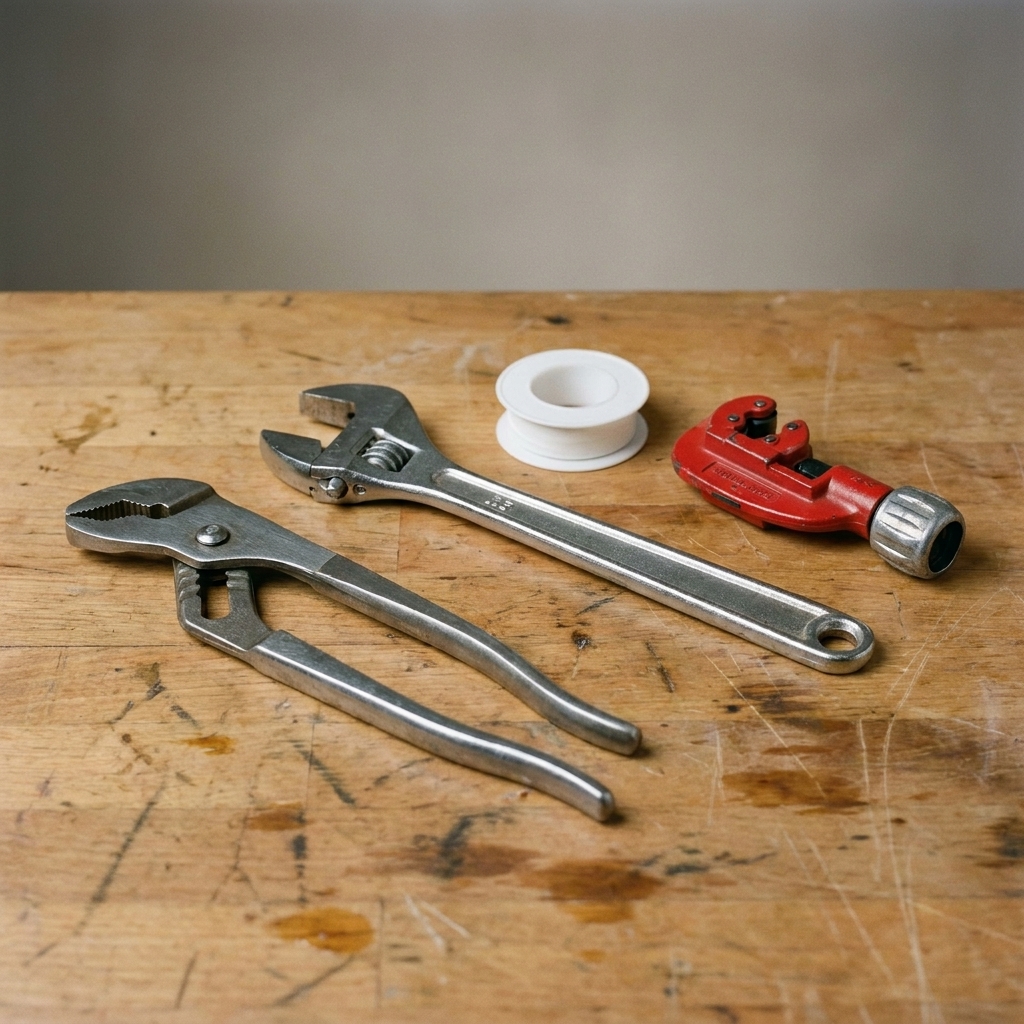
If you've ever tried to stop a dripping shutoff valve with a butter knife and pure optimism, welcome. I've been there. The good news is you don't need a plumber’s van full of gear to handle most homeowner-level plumbing problems. With the right handful of hand tools, you can tackle leaks under sinks, replace a faucet, swap a toilet fill valve, clear many common clogs, and make small pipe repairs without turning your Saturday into a stress festival.
Below are the 10 essential plumbing tools I recommend for a basic home toolbox. Stock these and you'll be ready for most everyday plumbing headaches and maintenance tasks.
Before you buy tools, buy safety
- Know your shutoffs: Find the main water shutoff and confirm it actually turns off the water. Do the same for fixture shutoffs under sinks and behind toilets.
- Protect finishes: Keep a rag or thin piece of rubber handy so tools don't chew up chrome and brushed nickel.
- Wear basic PPE: Safety glasses for splashes and cutting, and gloves when you're reaching into mystery water or sharp cabinets.
- Keep a bucket and towels nearby: Even a “small” under-sink job usually turns into a little spill.
- Don't over-tighten: In plumbing, tighter isn't always better. Most leaks come from bad sealing surfaces, wrong parts, or crossed threads, not “not enough torque.”
- Use the right tool: Tongue-and-groove pliers on a plastic nut can crack it, especially if you get aggressive. Matching the tool to the job prevents damage.
1) Tongue-and-groove pliers
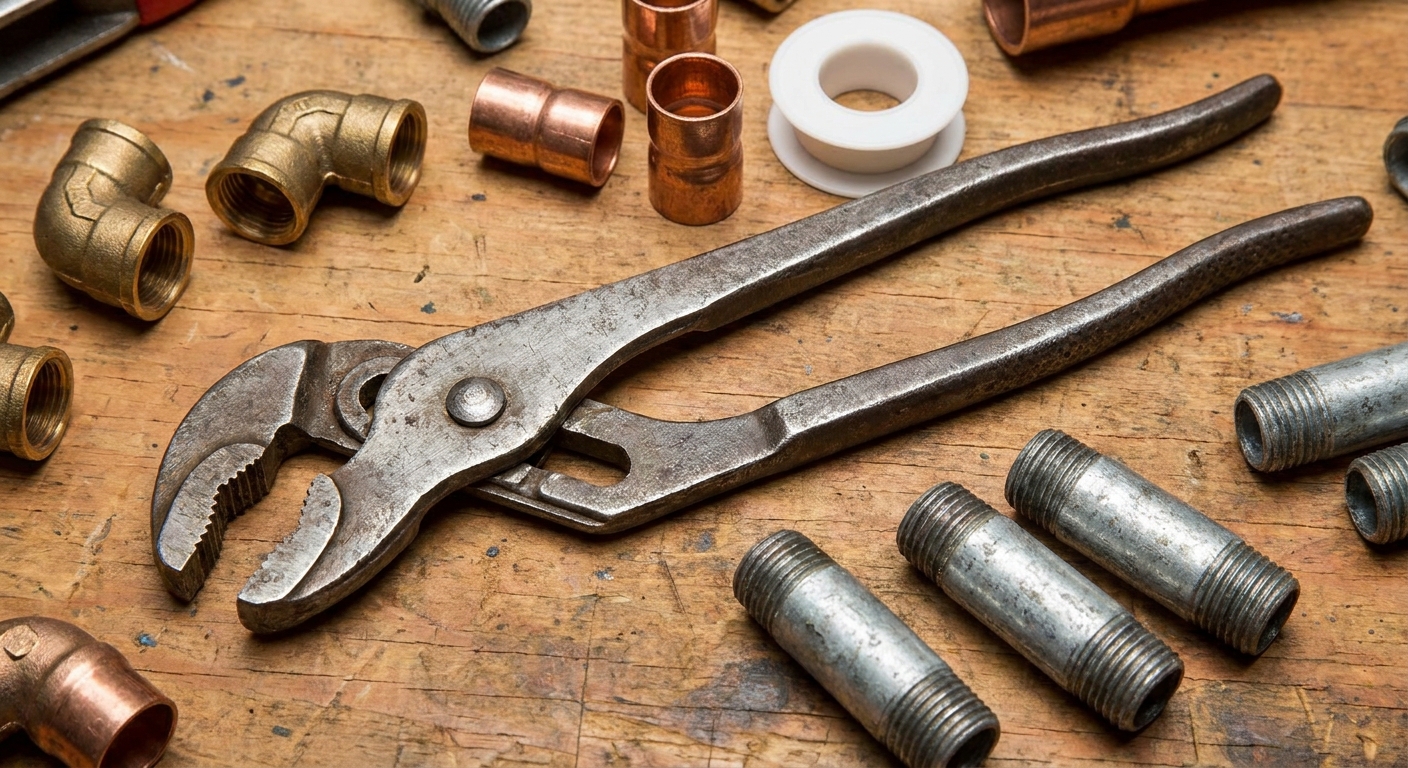
If I could only keep one plumbing tool, this would be it. Tongue-and-groove pliers (often called channel-lock pliers) adjust quickly and grab everything from trap nuts to stubborn supply line fittings.
Best uses
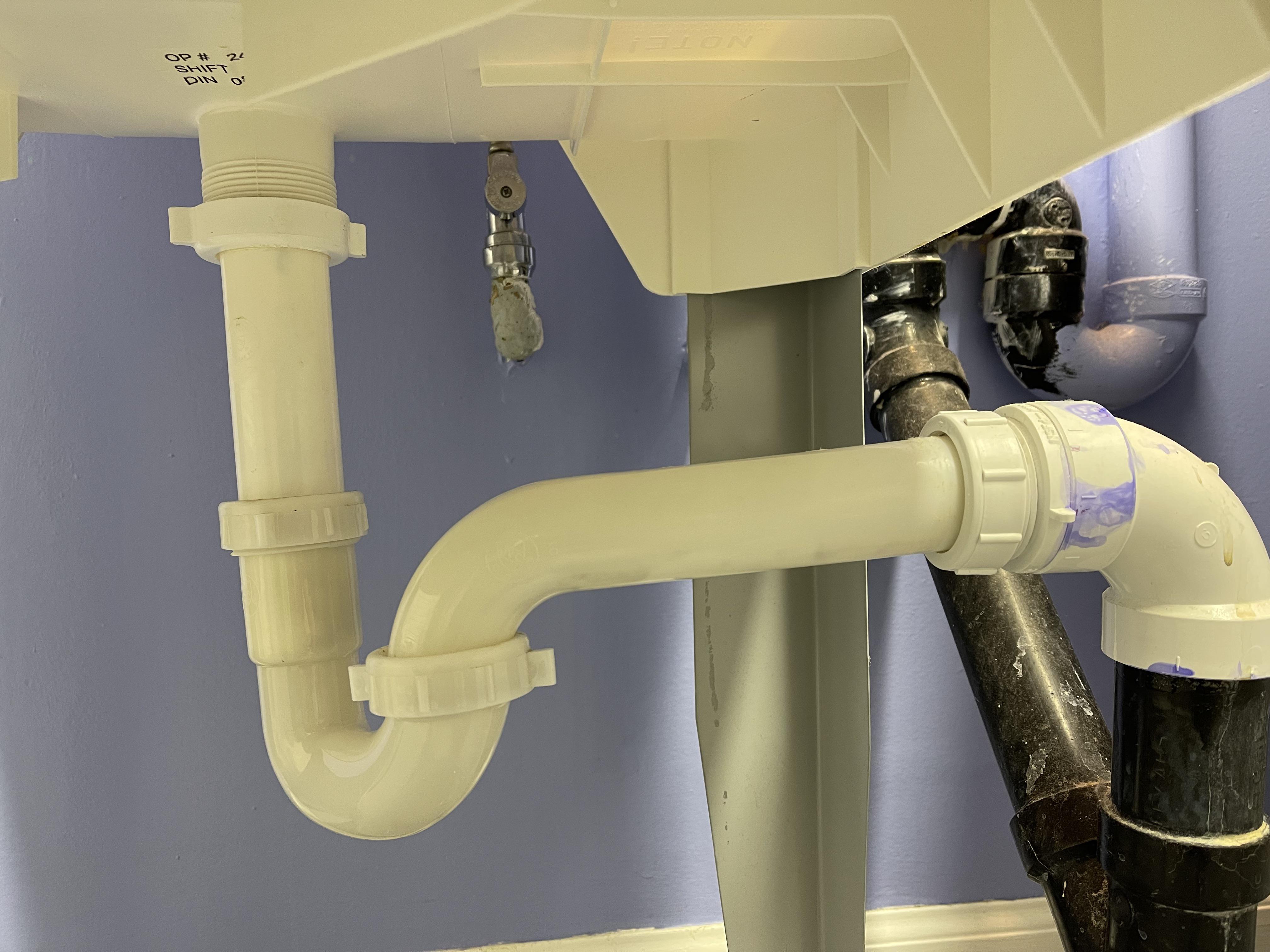
- Loosening slip nuts on a P-trap
- Holding a fitting while you turn another with a second tool
- Removing shower arms and threaded nipples (with a rag to protect the finish)
Buy tip
Get one medium size (around 10 inches). If you want to level up later, add a smaller pair for tight vanity work.
2) Basin wrench
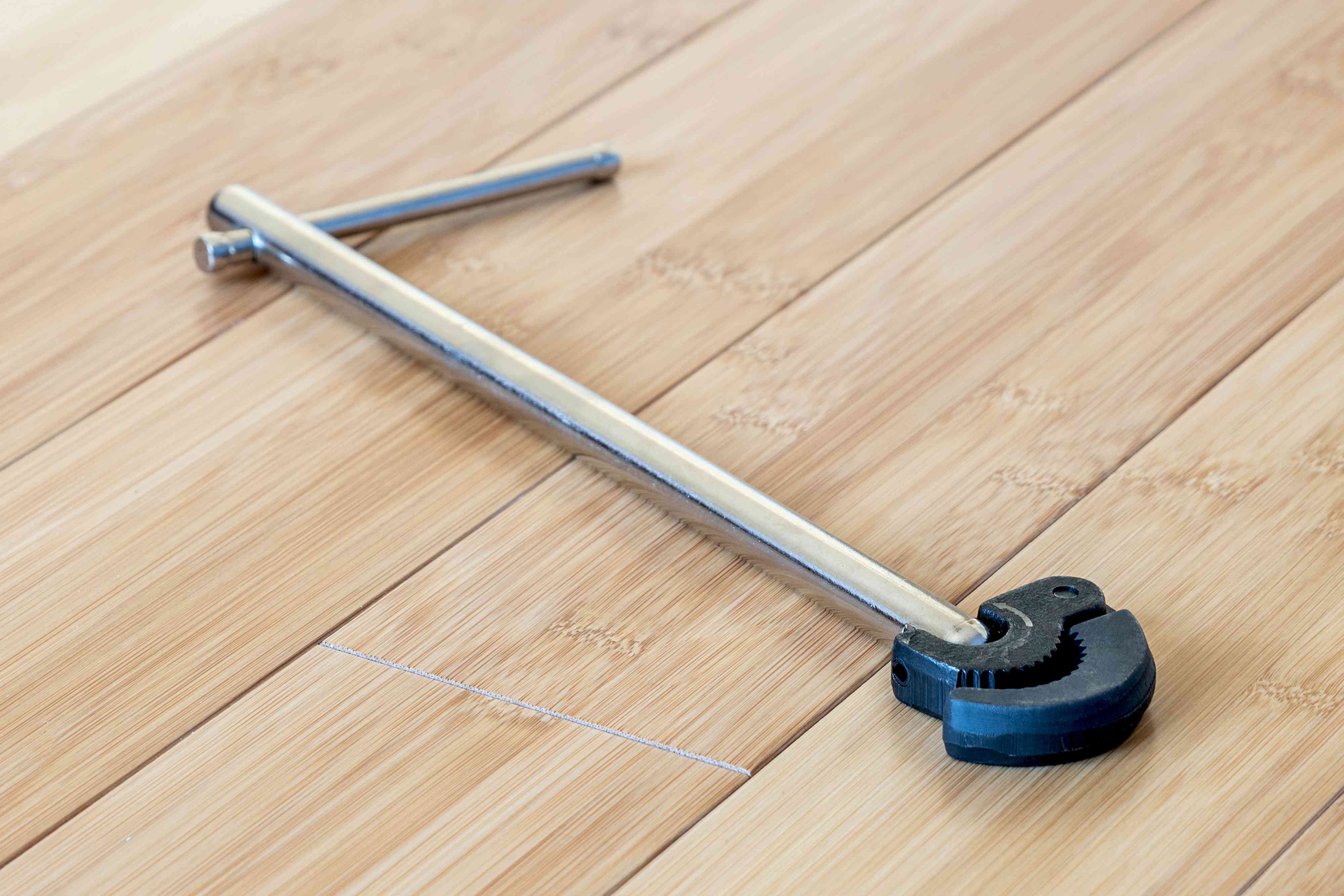
A basin wrench is the tool that makes you feel like you unlocked a cheat code. It reaches up behind a sink and grips faucet mounting nuts that are impossible to access with regular wrenches.
Best uses
- Removing and installing bathroom and kitchen faucets
- Tightening loose faucet bases
Common mistake
Cranking down too hard. Snug is usually enough. Over-tightening can crack a sink or deform a mounting bracket.
3) Adjustable wrench (6 to 10 inch)
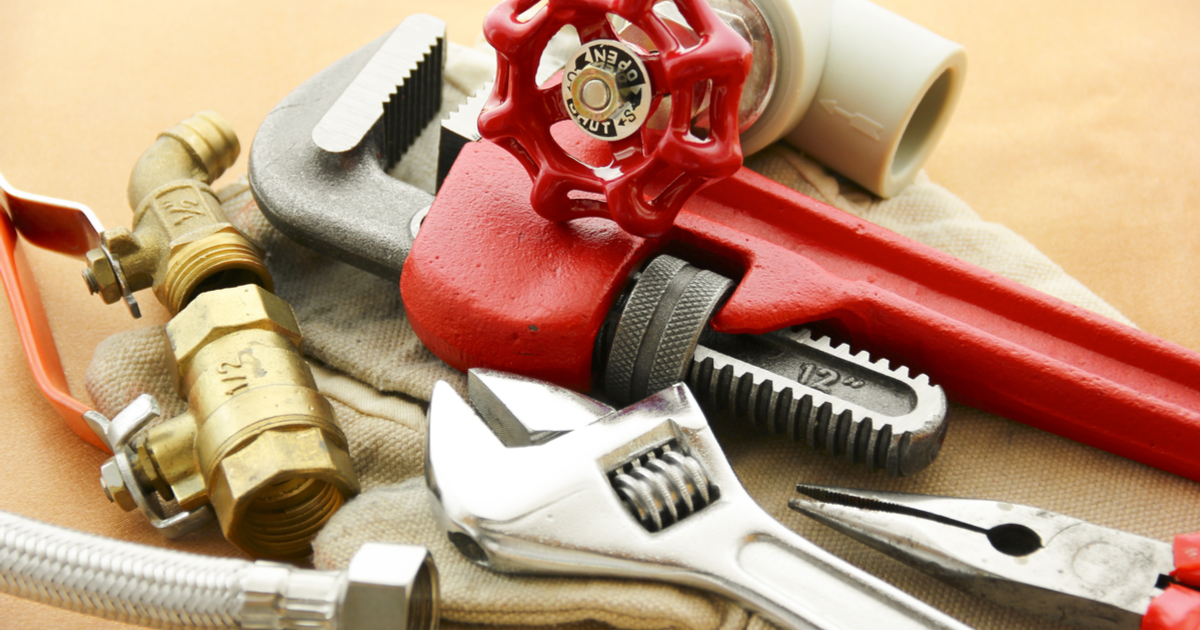
An adjustable wrench gives you a clean, flat bite on hex nuts like those found on shutoff valves and many supply lines. Compared with pliers, it's less likely to round off corners if you size it correctly.
Best uses
- Tightening compression nuts on supply lines
- Working on angle stops and some faucet connections
- Holding one side of a connection while another tool turns the other
Buy tip
A 6-inch is great for tight spaces. A 10-inch gives more leverage. If you only buy one, split the difference with an 8-inch.
4) Pipe wrench (10 to 14 inch)
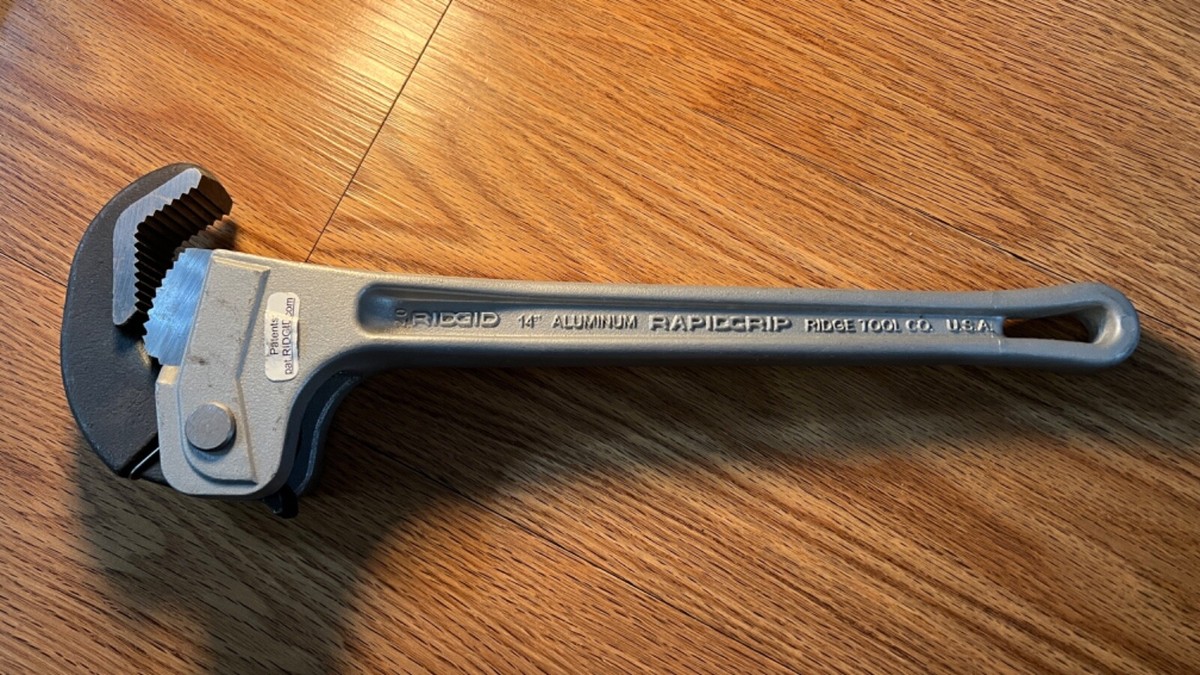
A pipe wrench is for threaded metal pipe and fittings, not thin-wall chrome-plated trap parts you want to keep pretty. It bites hard and provides serious leverage, which is exactly what you need when old threads refuse to cooperate.
Best uses
- Removing a stubborn shower arm
- Turning threaded galvanized or black iron fittings
- Holding a pipe while breaking a joint loose
Friendly warning
This tool will mar finishes. If you're working on visible chrome, wrap the part with a thick rag or use a strap wrench instead.
5) Strap wrench
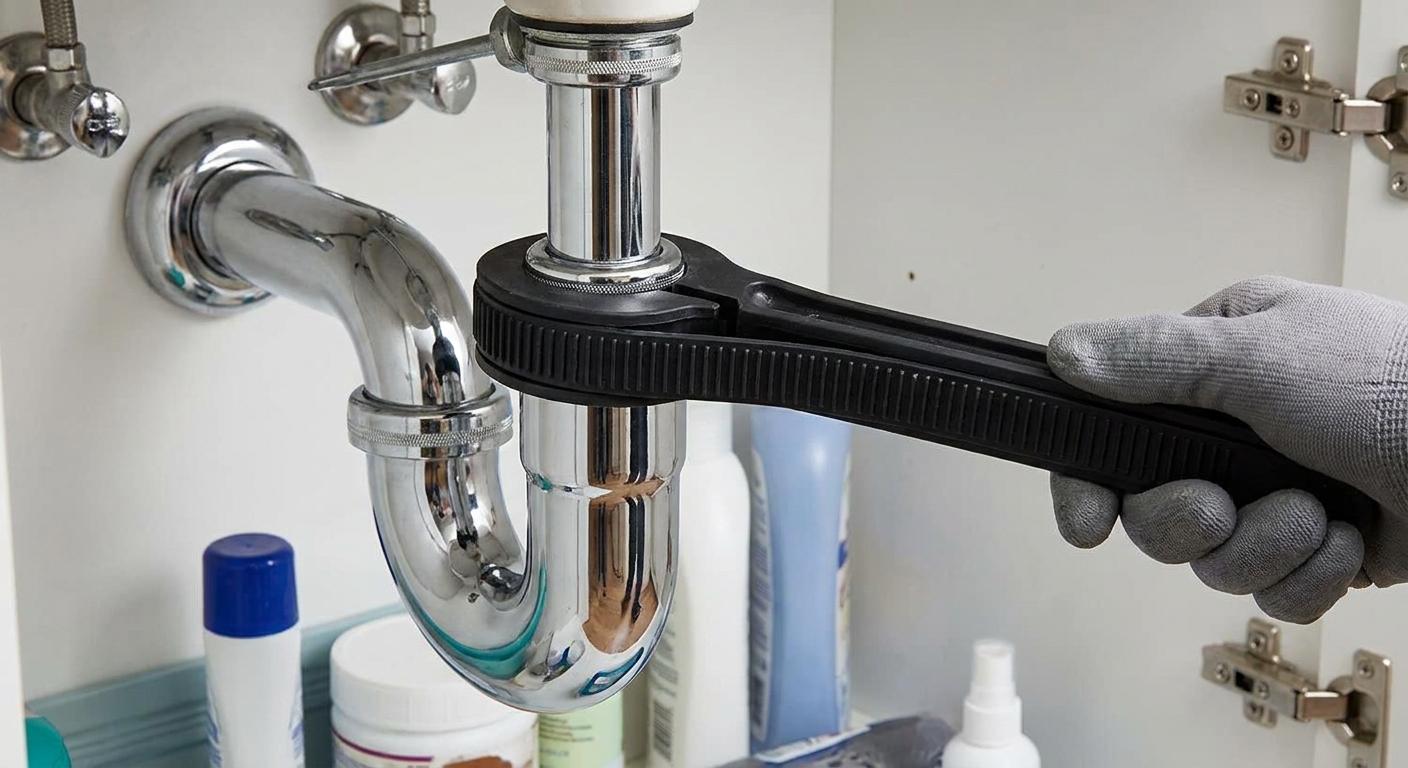
A strap wrench is the polite cousin of the pipe wrench. It grips without teeth, so it's much safer on chrome, plastic, and polished finishes.
Best uses
- Loosening chrome trap adapters and decorative drain parts
- Removing and tightening filter housings (like under-sink water filters)
- Turning PVC fittings without crushing them
6) Plunger (toilet plunger)
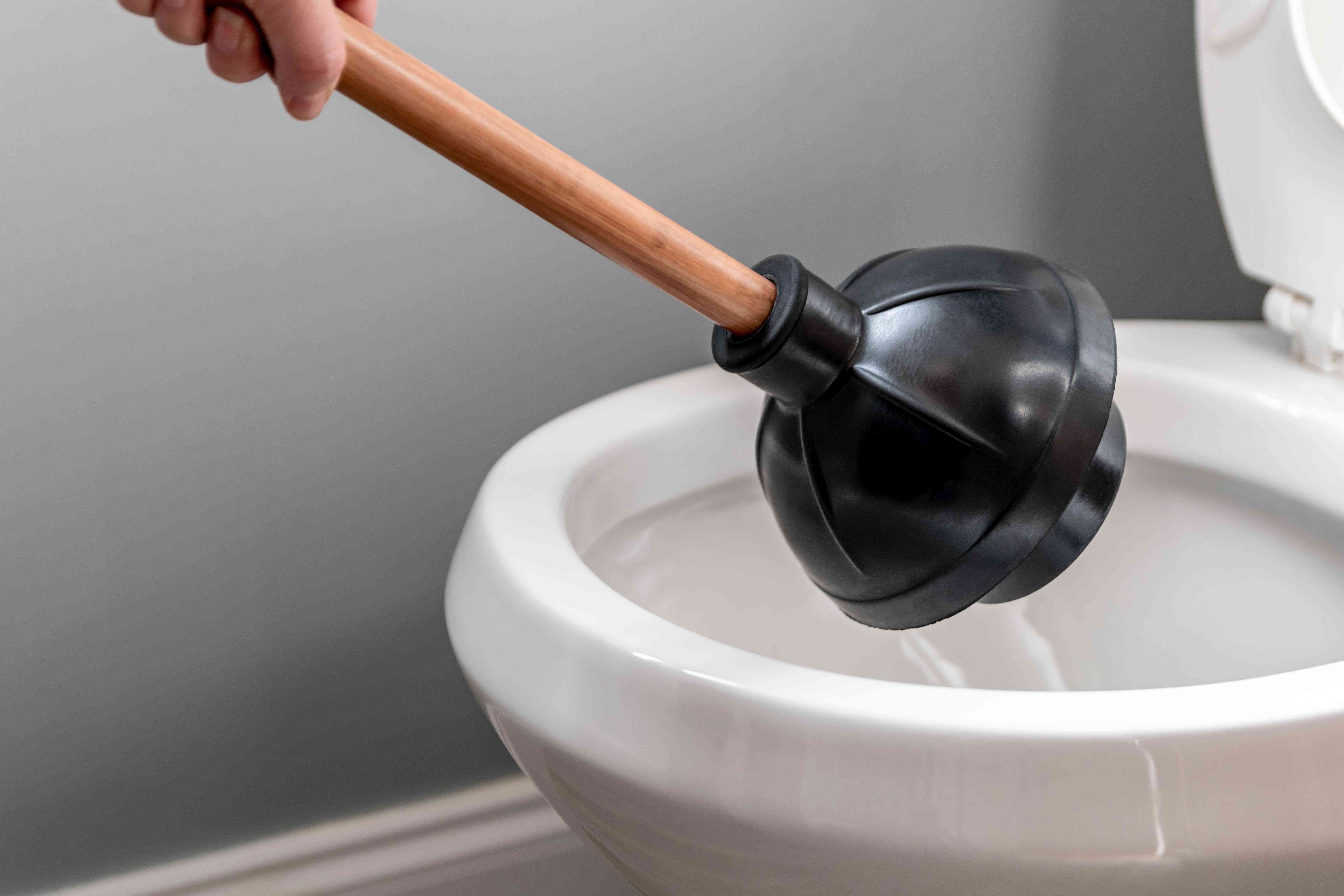
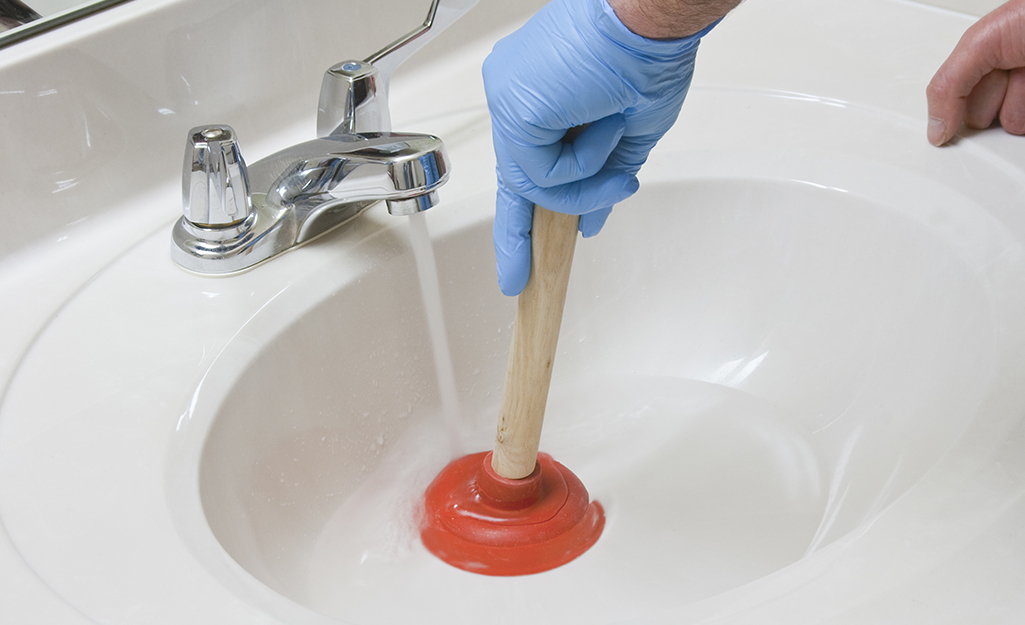
There are two common plungers. The flat-bottom cup is for sinks and tubs. For toilets, you want the one with a flange that fits down into the drain opening. That seal is what creates the pressure changes that move a clog.
Best uses
- Clearing toilet clogs without chemicals
- Breaking up soft blockages before they become a bigger problem
My method
Start with a gentle push to burp air out and get a seal. Then use strong, controlled strokes. If you splash the whole bathroom, the plunger didn't fail, the seal did.
7) Hand auger (toilet auger)
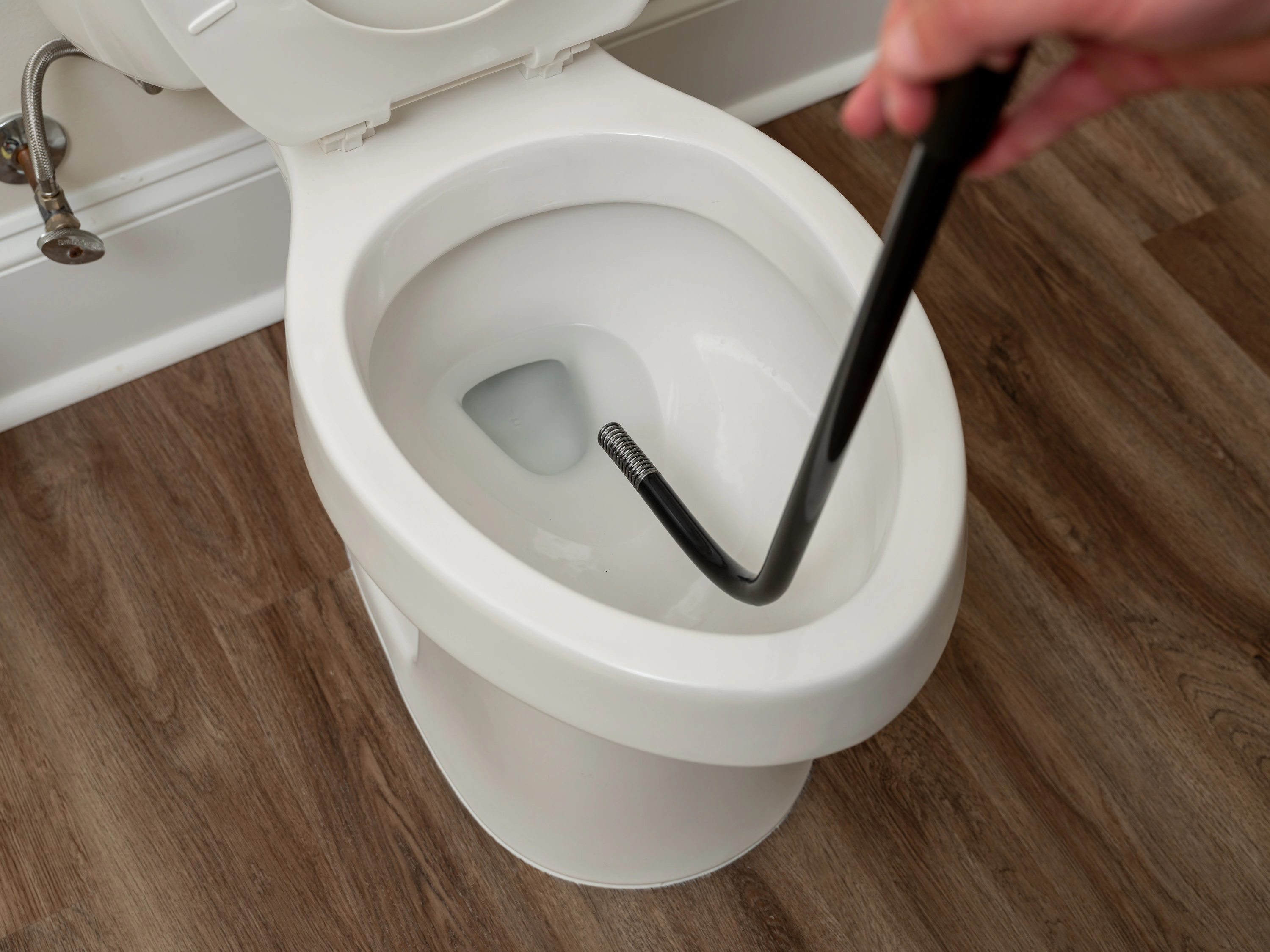
If a plunger can't clear a toilet, a toilet auger is usually the next step. It feeds a protective-sheathed cable into the trap without scraping up the porcelain the way a standard drain snake can.
Best uses
- Clearing deeper toilet clogs
- Retrieving or breaking up paper-heavy blockages
What it's not for
A toilet auger is awkward in sinks and can damage finishes. For sinks, use a small drain snake or clean the trap instead.
8) Mini hacksaw
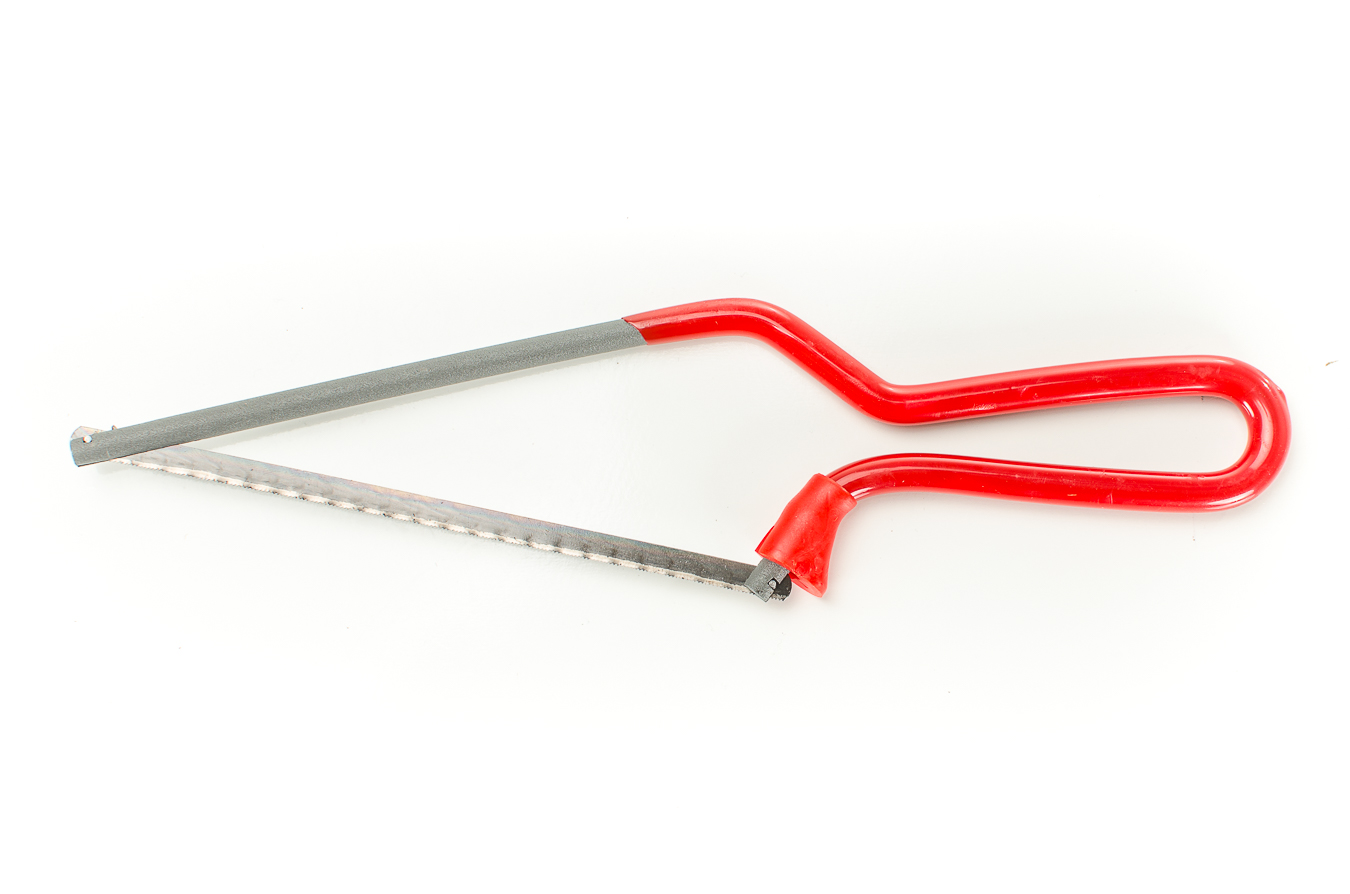
Sometimes you do everything right and still need to cut off a rusted nut, a stuck supply line, or an old plastic tailpiece. A mini hacksaw earns its keep the first time it saves you from an all-day wrestling match.
Best uses
- Cutting plastic tailpieces and trap arms to length
- Removing corroded faucet hardware
- Trimming small pieces of PVC when you can't swing a full saw
Safety note
Cut slowly and support the part. Rushing is how you crack a fitting you were trying to save.
9) Pipe cutter (copper) or PVC cutter (plastic)
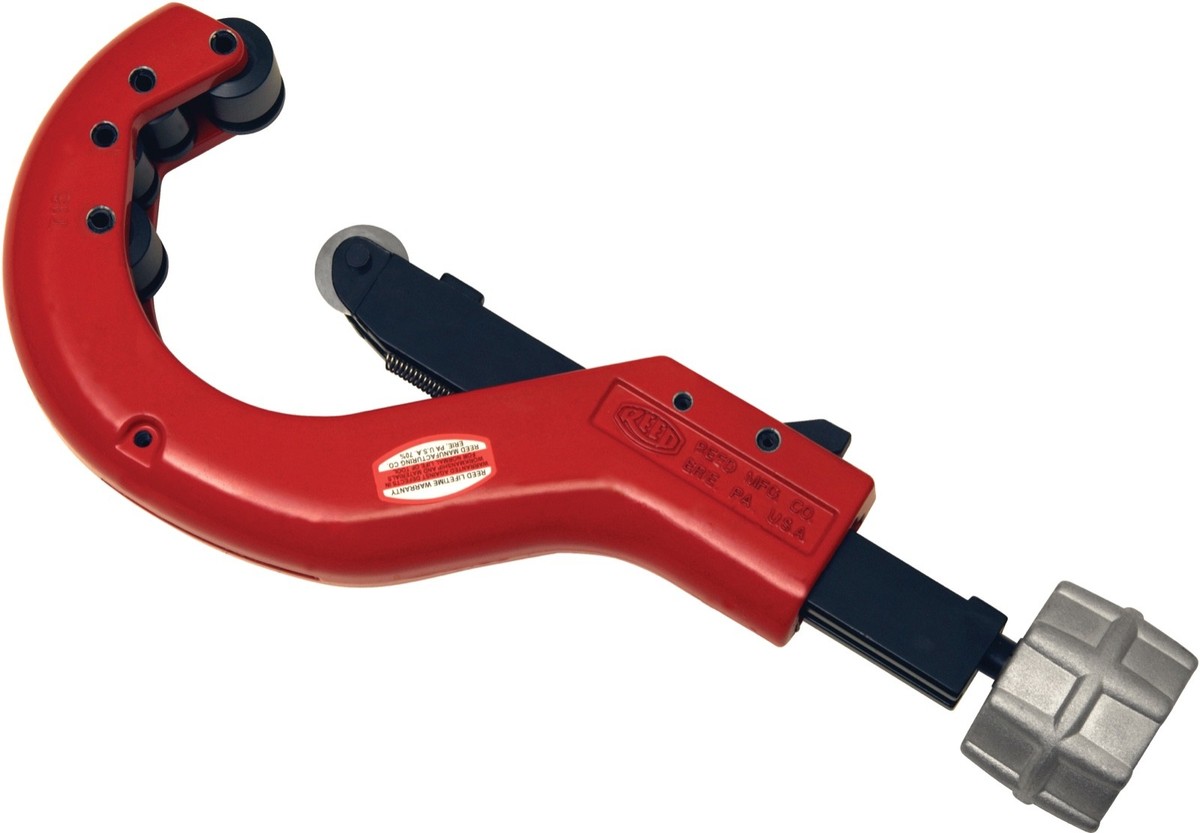
If your home has copper supply lines, a small tubing cutter makes clean, square cuts that solder and compression fittings actually like. If your home is mostly PVC or CPVC, a ratcheting plastic pipe cutter makes fast, clean cuts with less mess than a saw.
Best uses
- Replacing a section of copper pipe after a pinhole leak
- Installing a new shutoff valve or adding a compression stop
- Cutting PVC for trap adapters or drain repairs
Don't skip this
After cutting copper, ream and deburr the inside edge. A sharp lip can reduce flow and chew up washers and O-rings over time.
Buy tip
If you're unsure what your home has, look under a sink or near the water heater. Copper is metal and reddish. PVC is white plastic. CPVC is often off-white or tan. PEX is flexible plastic tubing. Match the cutter to your pipe type.
10) PTFE tape and pipe joint compound
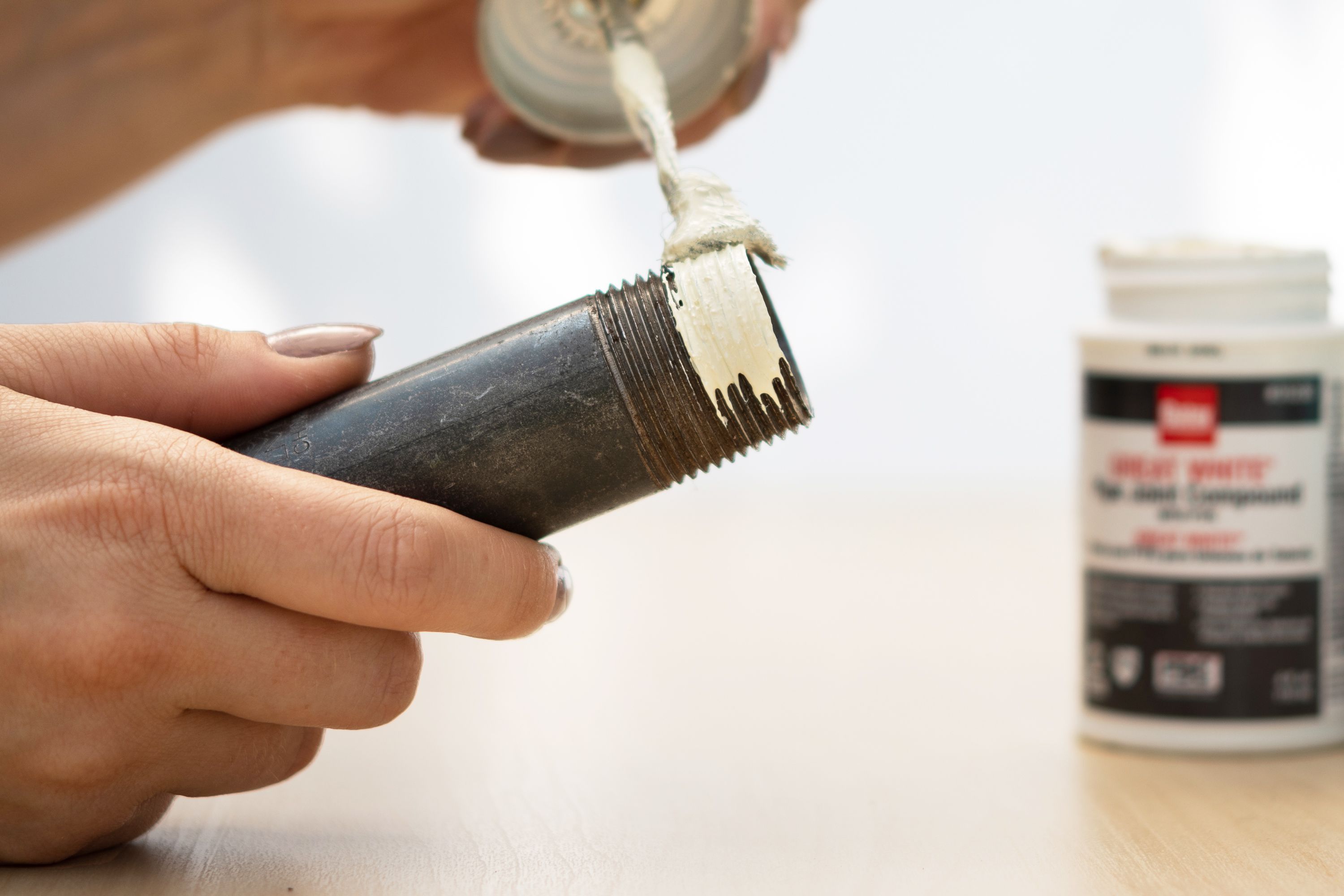
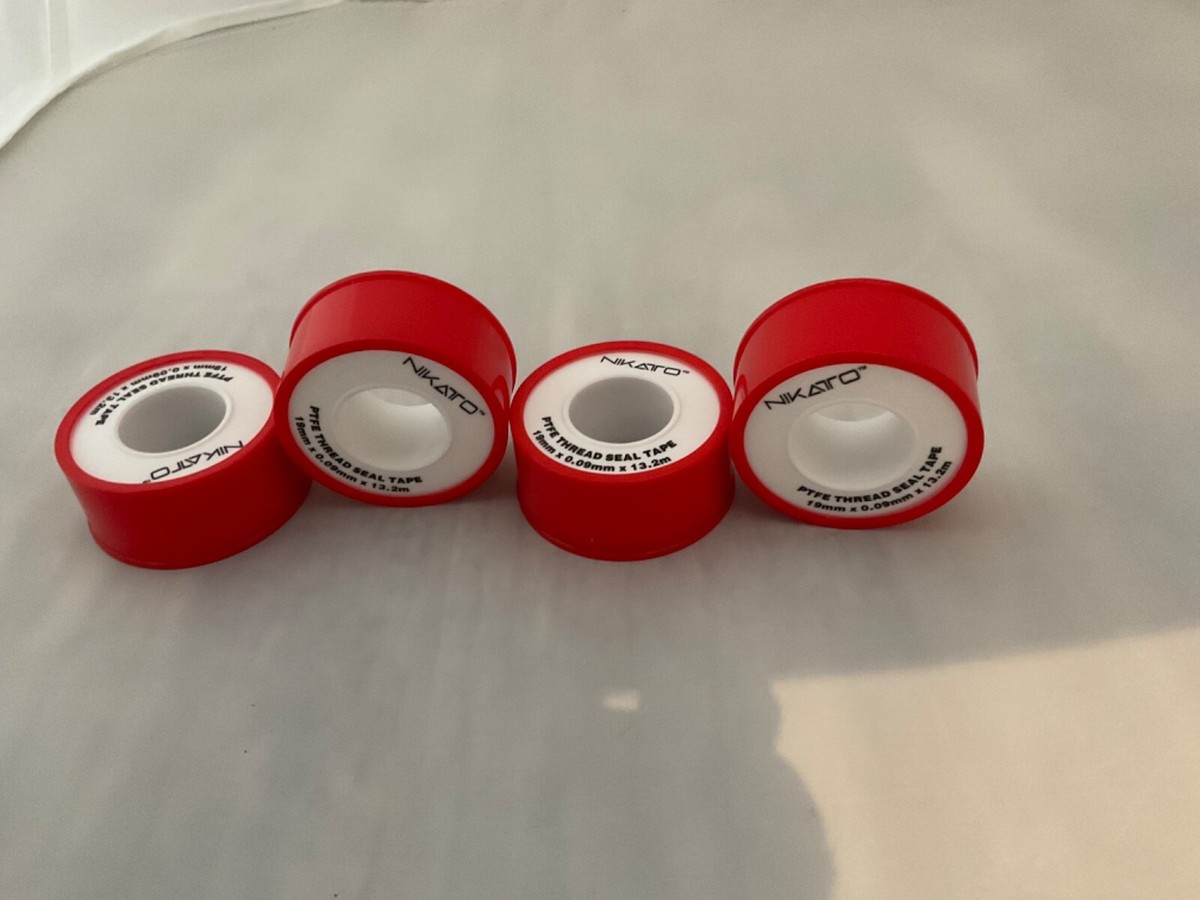
These aren't “tools” in the classic sense, but they solve a shocking number of leaks. PTFE tape (often called Teflon tape) and pipe joint compound help seal tapered pipe threads (like NPT) and make assemblies tighten smoothly. They're not magic for every connection, though, because many plumbing joints seal with a gasket or O-ring instead of the threads.
Best uses
- Sealing shower arms and threaded nipples
- Helping threaded connections tighten smoothly
- Reducing the chance of small weeps on tapered threads
Quick how-to
- Wrap tape clockwise (the same direction you tighten) so it doesn't unravel.
- Use 3 to 5 wraps for most home plumbing threads.
- Don't use PTFE tape on compression fittings or rubber gasket connections. Those seal differently.
Bonus tool: Hex key set
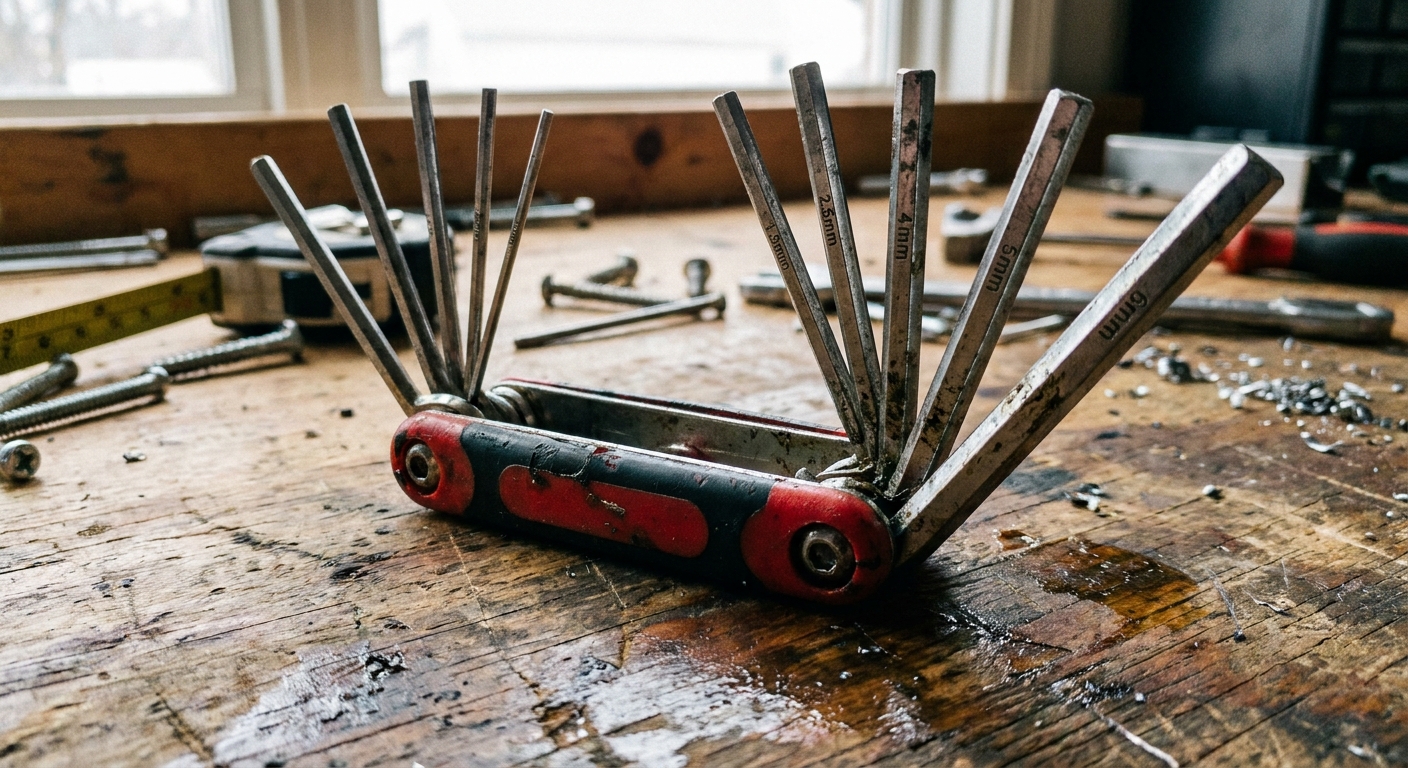
This didn't make the top 10 because it's not strictly a plumbing-only tool, but it's constantly useful around faucets and disposals. A basic Allen key set can save you a lot of handle-wiggling and bad language.
Best uses
- Removing faucet handles with set screws
- Manually turning some garbage disposals from the bottom (if your model has a hex socket)
Simple parts kit
Tools are half the battle. The other half is having the little parts on hand when something starts dripping at 8:30 pm.
- Assorted rubber washers and O-rings
- One braided faucet supply line in each common length (12, 16, 20 inches), if you have the space
- One toilet flapper that matches your toilet brand, or a universal flapper that fits most 2-inch flush valves
- A couple of 1/2-inch and 3/8-inch escutcheons (the trim rings) for supply lines
- A small tub of plumber’s grease (silicone grease) for O-rings and cartridges
Quick note on PEX
If your home has PEX (the flexible tubing), you'll want a dedicated PEX cutter and the right connection method for your system. That might be crimp rings, clamp rings, or push-to-connect fittings. The good news is PEX is DIY-friendly, but the tools and fittings have to match.
When to call a plumber
I love a good do-it-yourself win, but some situations deserve a pro, or at least a second set of experienced eyes.
- No shutoff works: If you can't stop the water, call immediately and shut off at the meter if possible.
- Sewage backup: Multiple fixtures backing up, gurgling, or sewage smells can point to a main line issue.
- Water heater problems: Gas water heater issues and relief valve problems can get dangerous fast.
- Repeated leaks: If the same joint keeps leaking, something is wrong with the parts, alignment, or pipe condition.
FAQ
Do I really need both a pipe wrench and tongue-and-groove pliers?
If you're only buying one today, start with tongue-and-groove pliers. Add a pipe wrench when you run into threaded metal pipe, stubborn shower arms, or older galvanized fittings where you need serious bite and leverage.
What's the most useful tool for under-sink leaks?
Usually a combination of tongue-and-groove pliers and an adjustable wrench, plus PTFE tape if you're dealing with tapered threaded connections. Many under-sink leaks are actually loose slip nuts or a misaligned washer.
Are drain cleaners a “tool” I should keep?
I keep them out of most home toolkits. Chemical drain cleaners can damage pipes, they're rough on septic systems, and they make later snaking more hazardous. A plunger and the right auger solve most homeowner clogs more safely.