Why skip chemical drain cleaners?
I get the appeal. You pour, you wait, the problem goes away. Except when it doesn't, and now you've got caustic liquid sitting in a pipe you still have to work on. Chemical cleaners can damage older plumbing and seals, and repeated use is where the risk tends to climb, especially with corroded metal, older rubber gaskets, and worn fittings. They are also rough on septic systems. They can turn a simple DIY unclog into a safety situation if you need to plunge or snake afterward.
The good news is most clogs are just ordinary stuff: grease and food in kitchens, hair and soap scum in bathrooms. You can clear a lot of them with a methodical approach and basic tools.
Safety first (especially if chemicals were already used)
- If you already poured a chemical cleaner in the drain, pause and read the label. If there is still chemical solution standing in the fixture, do not plunge or snake. Mechanical agitation can splash caustic liquid. If the label says to flush with water and the drain is flowing, follow the directions. If the drain is not flowing or the fixture is full, ventilate the room, wear eye protection and gloves, and consider calling a plumber.
- Do not mix chemicals. Never combine drain cleaner with bleach, ammonia, or anything else. Bad combinations can release dangerous fumes.
- Protect your eyes. Drain water is not just gross. It can splash bacteria, sharp debris, and in kitchens, hot water.
- Know your limits. If you have recurring backups in multiple fixtures, gurgling toilets, or sewage smells, that is often a main line or vent issue, not a simple sink clog.
Your chemical-free unclogging game plan
Here's the order I use because it fixes the most problems with the least mess and lowest risk. Work through it like a checklist, and stop as soon as the drain is running normally again.
- Remove the easy blockage (hair, gunk at the stopper, food at the strainer).
- Use the right plunger and the right technique.
- Flush with hot water (or boiling water only where safe).
- Baking soda and vinegar to loosen soap scum and grease films.
- Snake the drain to physically pull the clog out.
- Clean the trap (sink only) if it is still slow or blocked.
Tools and supplies that actually help

- Sink plunger (cup plunger) for flat surfaces like sinks and tubs
- Toilet plunger (flange plunger) for toilets (different shape, better seal)
- Plastic hair snake for tubs and showers
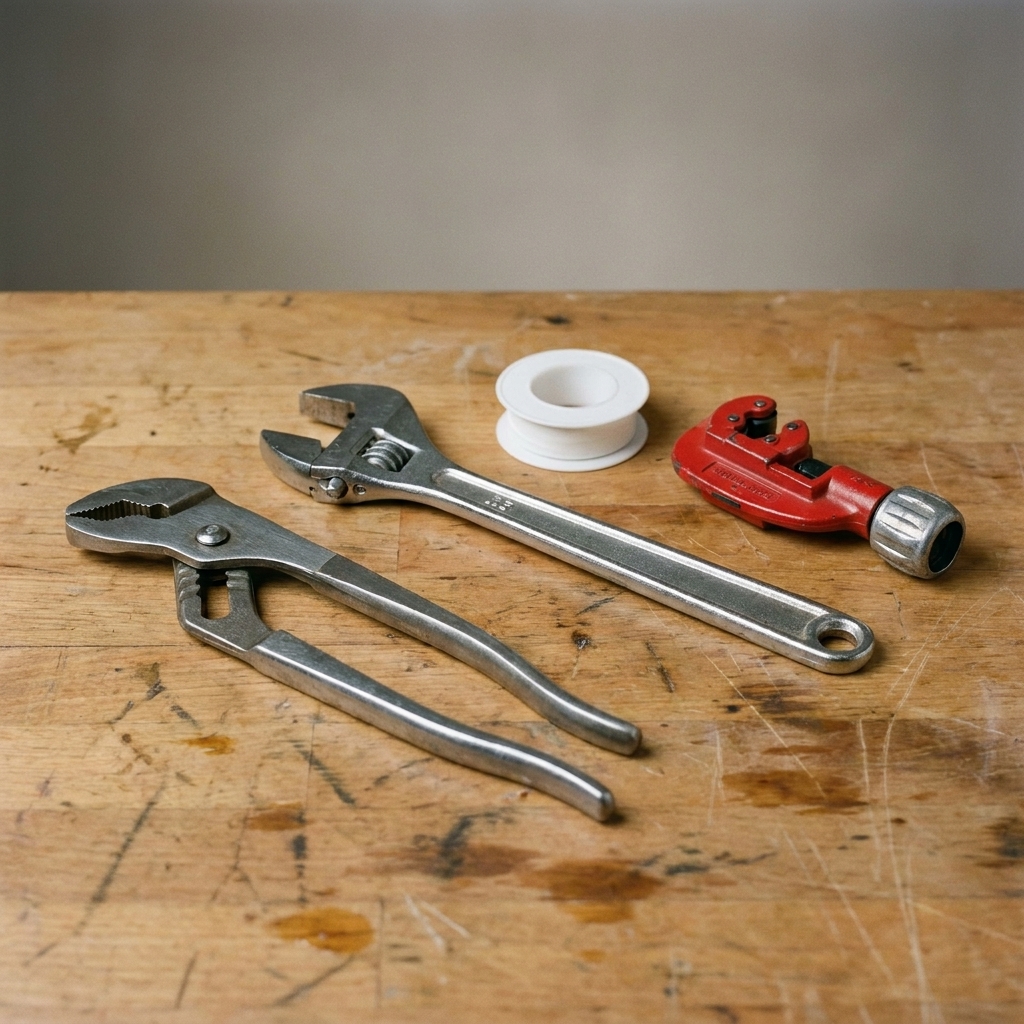
- Hand auger (1/4 inch cable is common) for deeper clogs
- Bucket + old towels
- Dish soap (great for greasy kitchen clogs)
- Baking soda + white vinegar
- Gloves and safety glasses
Step 1: Clear the stopper and strainer
Before you do anything fancy, remove what you can reach. You would be shocked how often the entire problem is sitting right under the stopper.
Bathroom sink
- Pull out the pop-up stopper (often it lifts out after you raise it).
- Wipe hair and toothpaste sludge off with paper towels.
- Rinse the stopper in a bucket, not in the sink you are trying to unclog.
Tub and shower
- Remove the strainer or stopper cover.
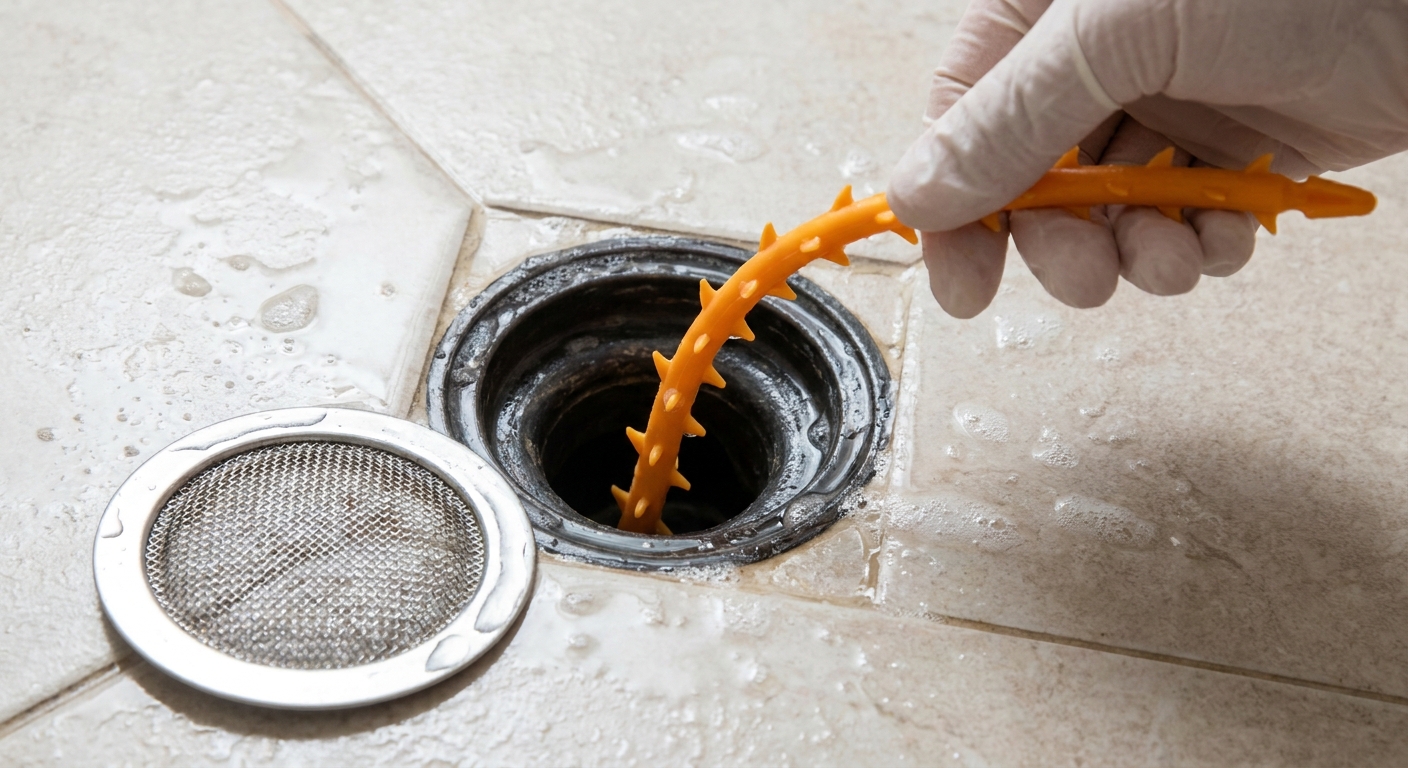
- Use a plastic hair snake to pull out hair mats. Go slow. They like to fight back.
Kitchen sink
- Remove the basket strainer and scrape out food scraps.
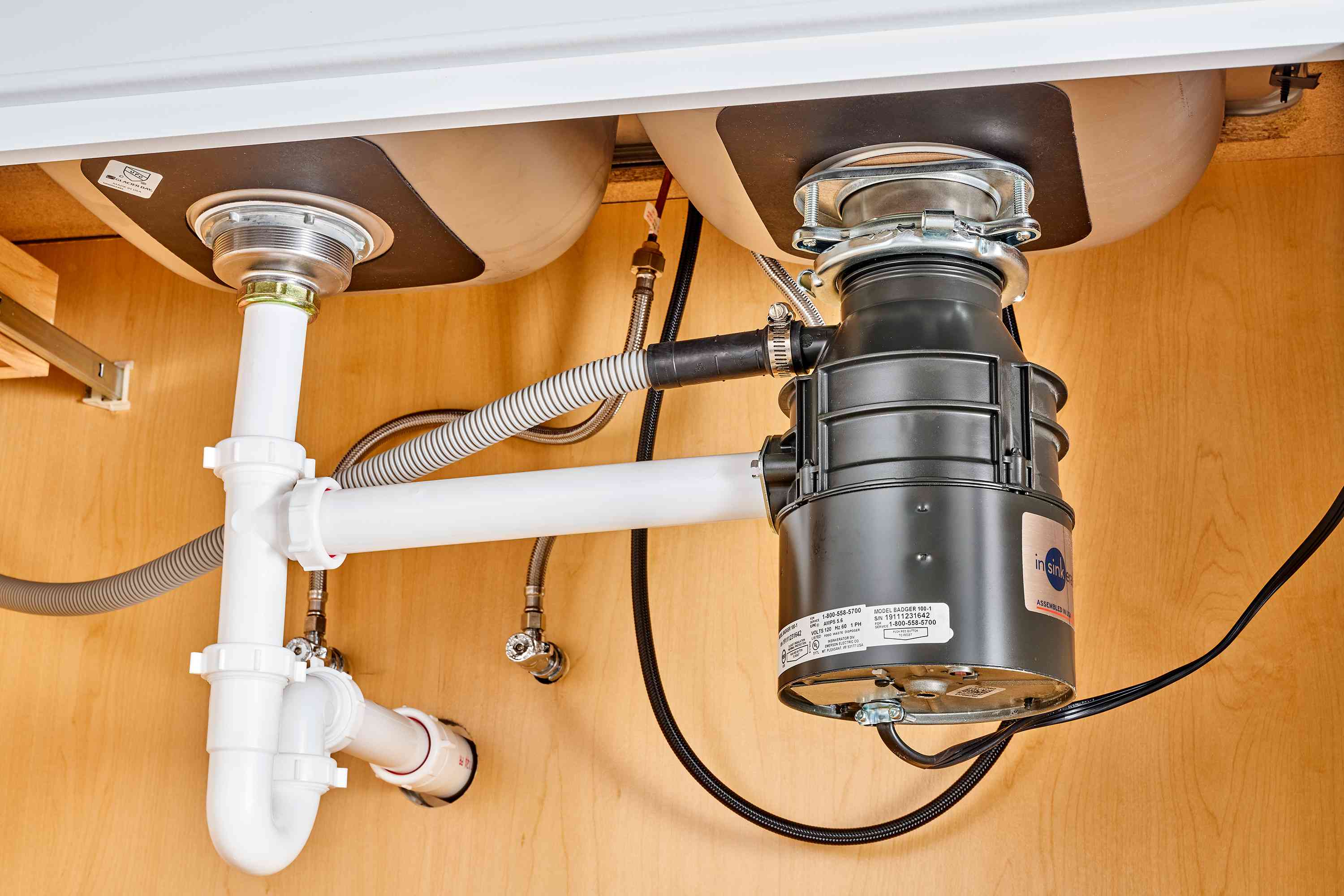
- If you have a garbage disposal, shine a flashlight in and remove visible debris with tongs. Keep hands out of the disposal, even if the power is off.
Step 2: Plunge with a real seal
Most plunging fails for one reason: no seal. The goal is pressure changes, not random splashing.
How to plunge a sink or tub
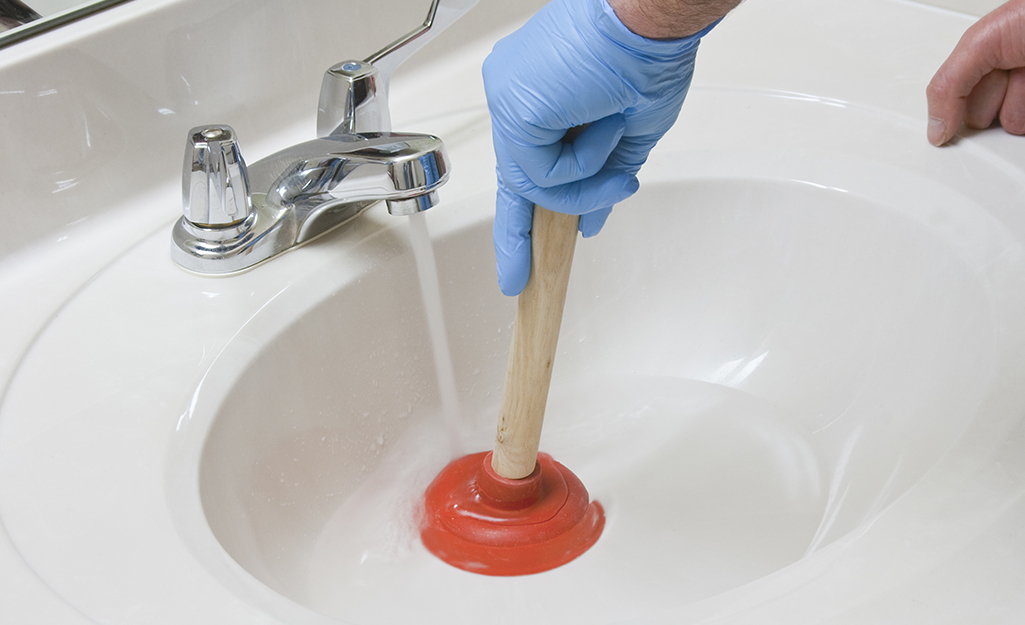
- Add enough water to cover the plunger cup by about 1 inch. Water helps make the seal.
- Smear a tiny bit of petroleum jelly around the rim of the plunger cup if you cannot get a seal.
- Block the overflow opening with a wet rag. In a bathroom sink, that little overflow hole will leak air and kill suction.
- Set the cup flat over the drain and start with a gentle push to release trapped air.
- Do 10 to 20 firm strokes, keeping the cup sealed to the surface.
- Pull the plunger off quickly and listen. A satisfying gulp is what you want.
- Test with hot tap water.
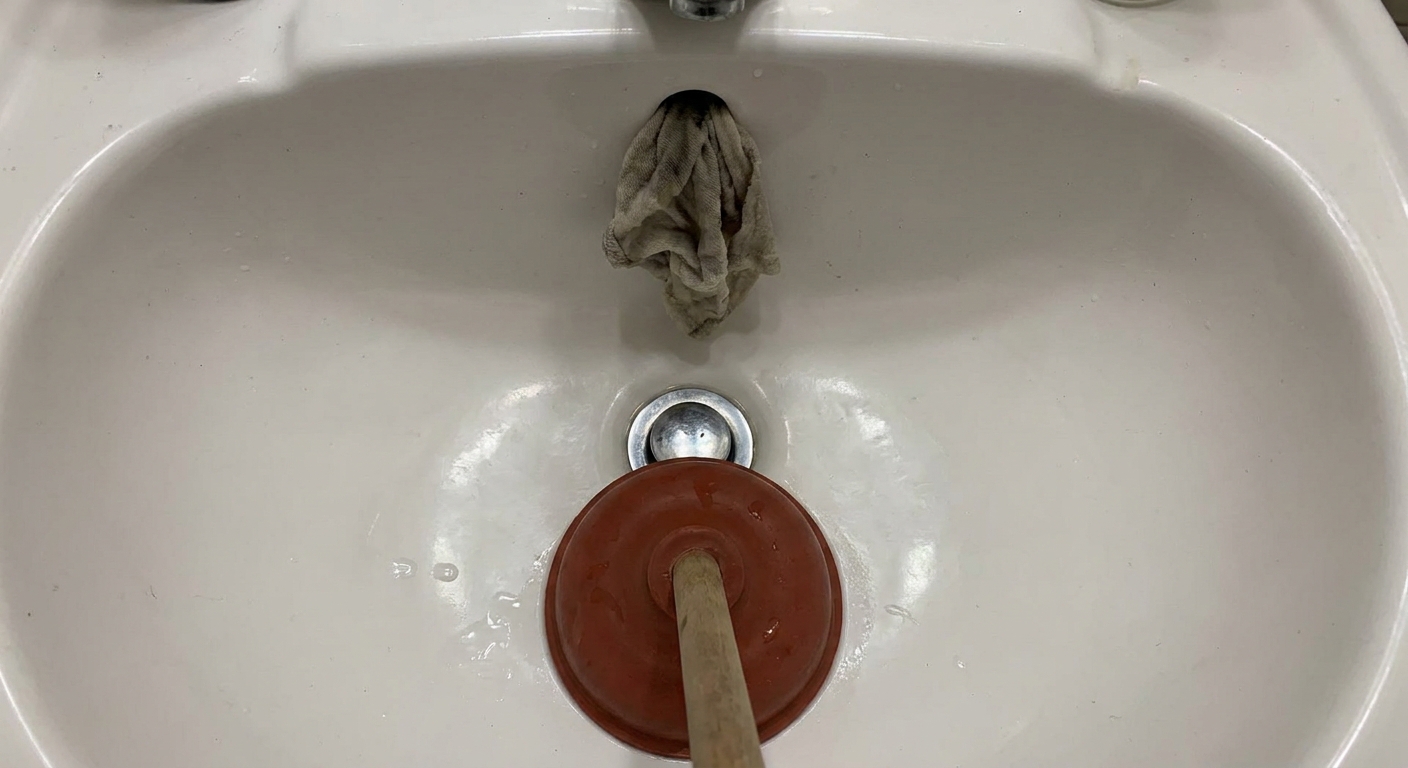
Two-basin kitchen sink tip: If one side is clogged, plug the other side with a wet rag or a stopper before plunging. Otherwise, your pressure just shoots across to the other bowl.
Dishwasher tip: If your dishwasher drains into the sink plumbing, a sink clog can cause dishwasher backup. Also, aggressive plunging can push water toward the dishwasher line on some setups. If you notice water in the dishwasher after a sink backup, deal with the clog first, then run a short rinse cycle to confirm it is draining normally.
Step 3: Hot water flush
Heat helps soften grease and loosen soap scum. For many slow drains, hot water and time do more than people think.
Safe hot-water method
- Run the hottest tap water for 2 to 5 minutes.
- If the basin fills, stop and wait for it to drain, then continue.
Boiling water, use with caution
I use boiling water mainly on metal pipes or older cast iron lines where I am confident about heat tolerance. Even then, I am careful: boiling water poured quickly into a cold porcelain sink can crack the fixture, and if a drain is fully blocked, the water just sits there. Another gotcha is grease: heat can loosen it, but if you do not follow with a sustained hot flush, it can re-solidify farther down the line.
Kitchen grease trick: Squirt a tablespoon of dish soap down the drain, wait 10 minutes, then flush with very hot tap water. Dish soap is designed to break up grease.
Step 4: Baking soda and vinegar
This combo is not magic, but it can help loosen film and gunk so hot water and plunging can finish the job. The fizzing reaction happens fast and is best for buildup, not solid plugs like hair wads or a chunk of food.
Method
- Scoop out standing water so the drain opening is mostly exposed.
- Pour 1/2 cup baking soda into the drain.
- Add 1 cup white vinegar.
- Cover the drain with a stopper or a wet rag for 10 to 15 minutes to keep the action in the pipe.
- Flush with very hot tap water for 2 to 5 minutes.
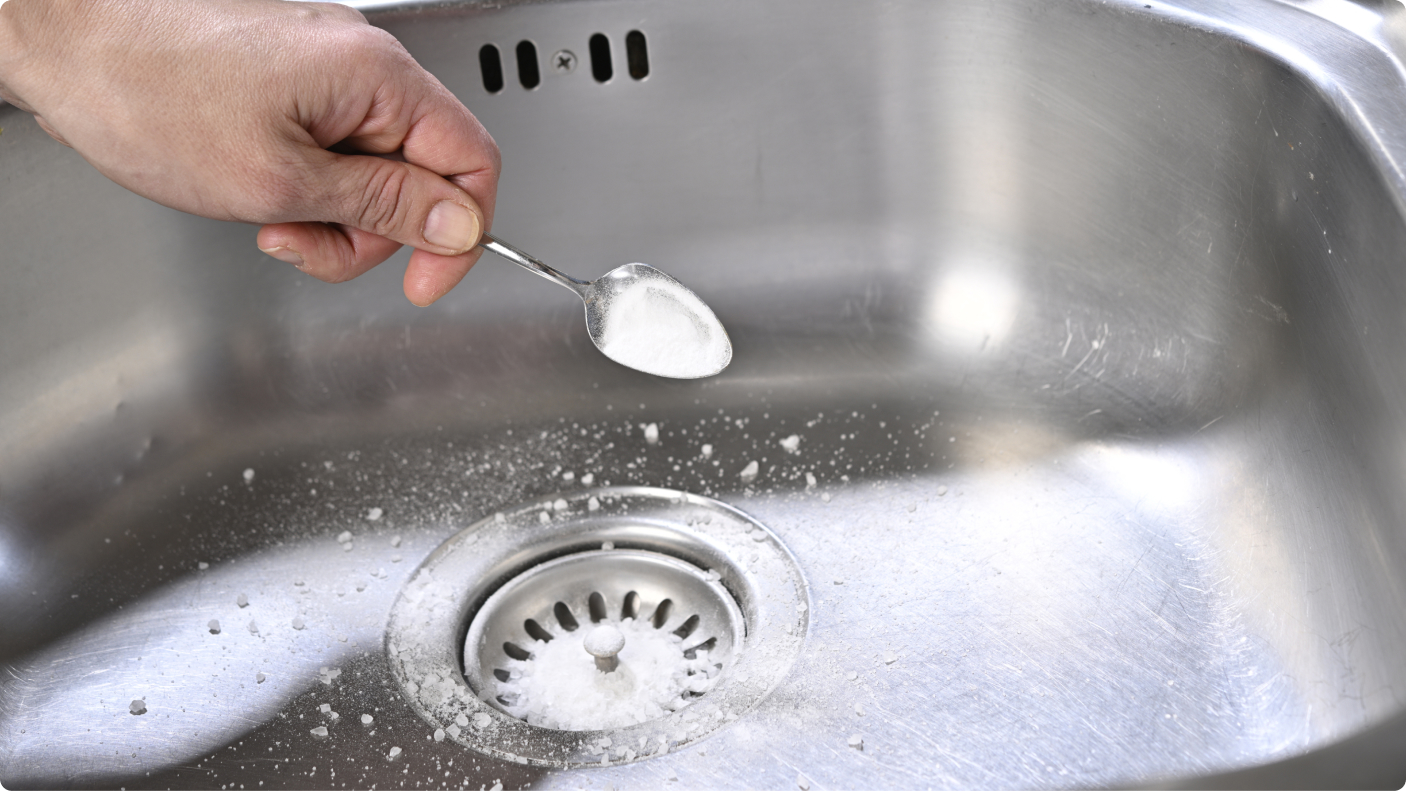
Skip the baking soda if you have a disposal full of standing water. Clear the standing water first and never run the disposal dry.
Step 5: Snake the drain
If plunging and flushing did not solve it, a snake usually will. The trick is to pull the clog out, not just poke a hole through it and hope it goes away.
Best snake for each drain
- Tub and shower: Start with a plastic hair snake. Upgrade to a hand auger if needed.
- Bathroom sink: Hand auger works well.
- Kitchen sink: Hand auger is better than a plastic hair tool, especially for grease and food buildup.
How to use a hand auger
- Feed the cable slowly into the drain. Do not force it.
- When you feel resistance, tighten the set screw (if yours has one) and crank while gently pushing.
- Once you feel the cable bite, crank a few turns, then pull the cable back a bit.
- Withdraw the cable and wipe it clean into a trash bag.
- Repeat until you stop pulling debris out.
- Flush with hot water and test drainage.
My “learned it the hard way” tip: Lay down towels and keep the bucket close. Snakes come out of drains looking like they lost a wrestling match in a swamp.
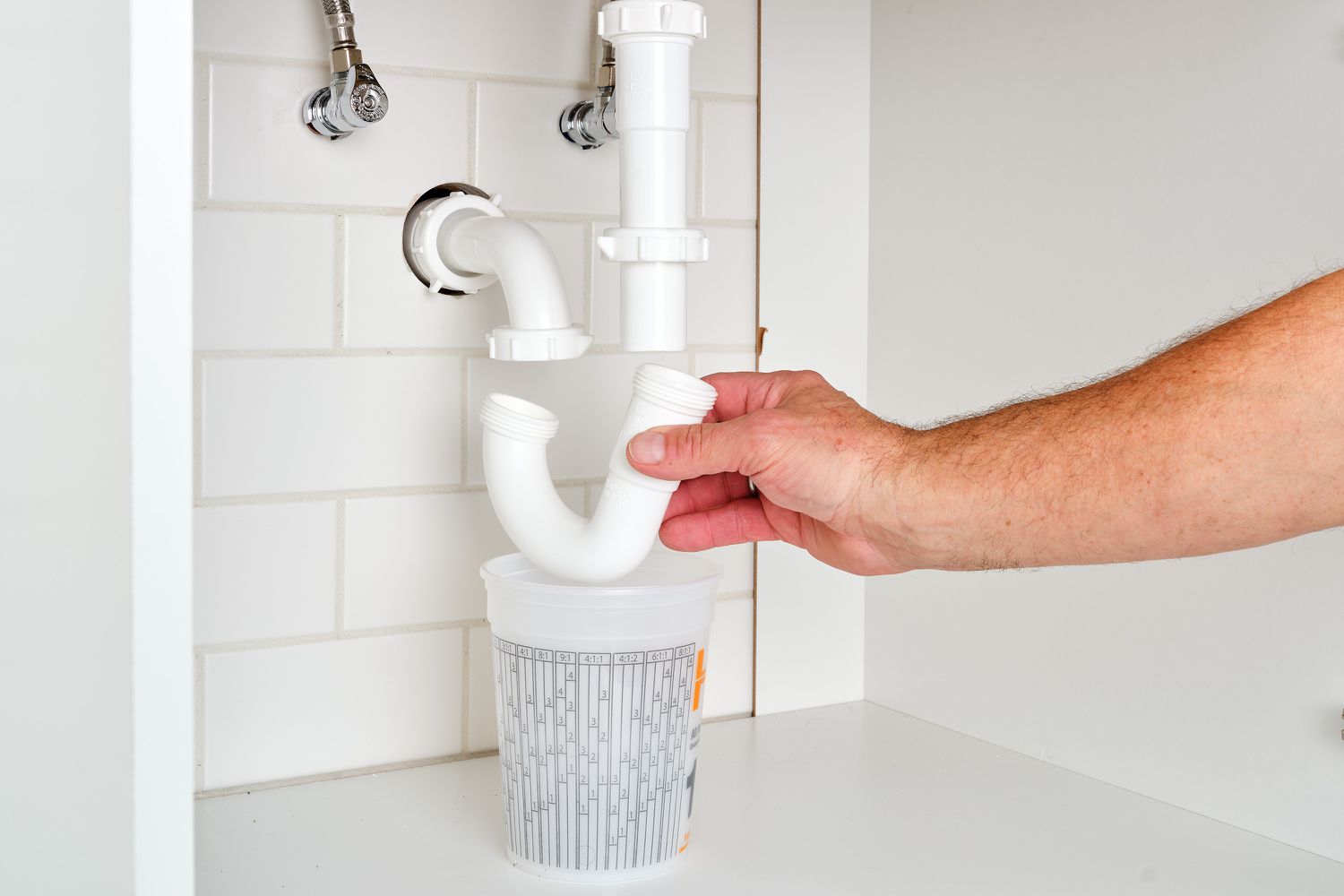
Step 6: Clean the P-trap (sink only)
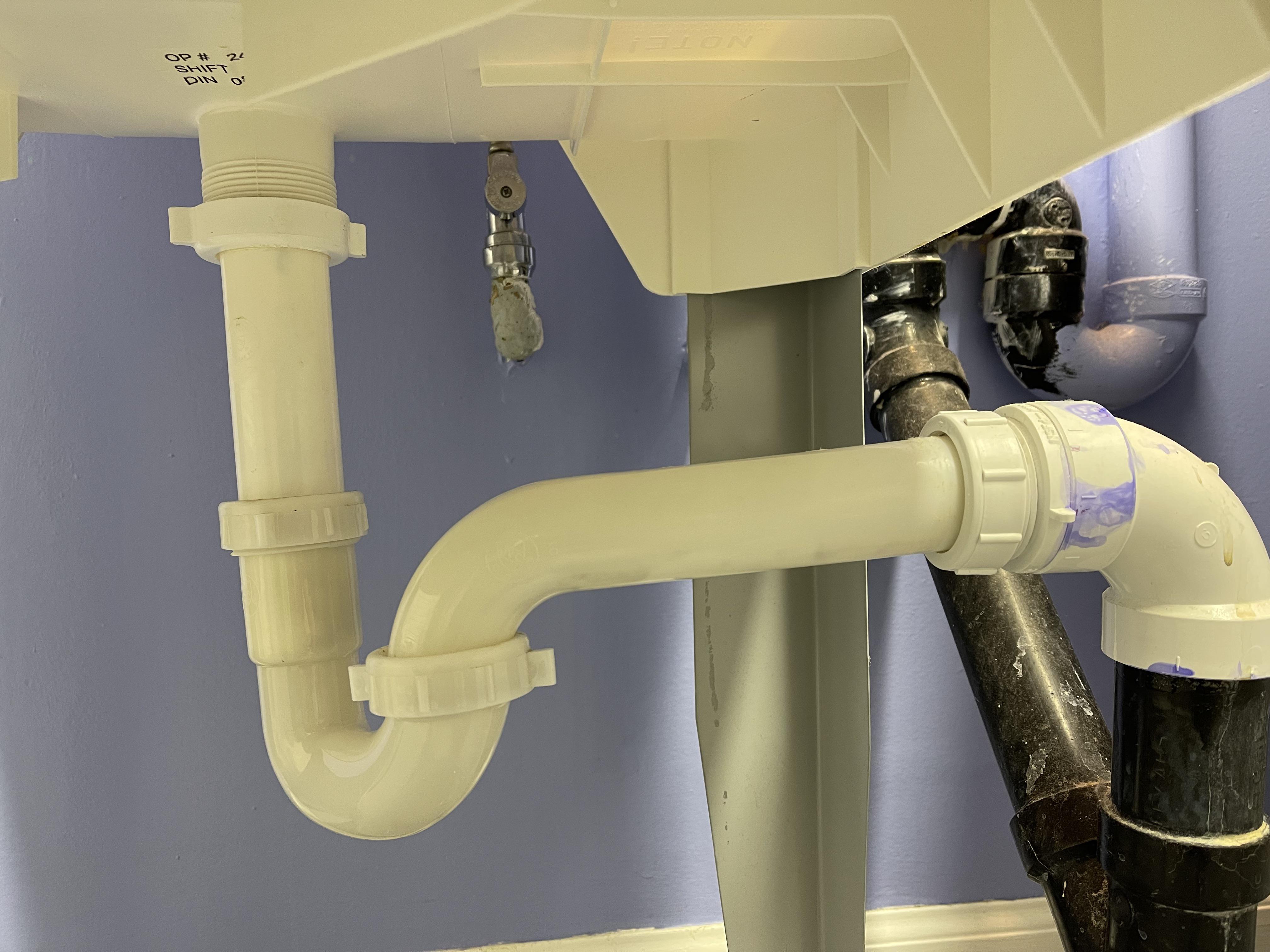
If a sink is still clogged after snaking from above, the trap is the next stop. A lot of sink clogs either live in the P-trap or right after it, but kitchen grease can also build up farther into the wall arm and branch line.
What to do
- Put a bucket under the trap and lay towels around it.
- Unscrew the slip nuts on the trap by hand (use channel-lock pliers gently if they are stuck).
- Lower the trap and dump it into the bucket.
- Clean the trap out with a bottle brush or an old toothbrush.
- Inspect the washers. If they are cracked or flattened, replace them.
- Reinstall, hand-tighten the nuts, then snug a tiny bit more if needed.
- Run water and check for leaks for a full minute.
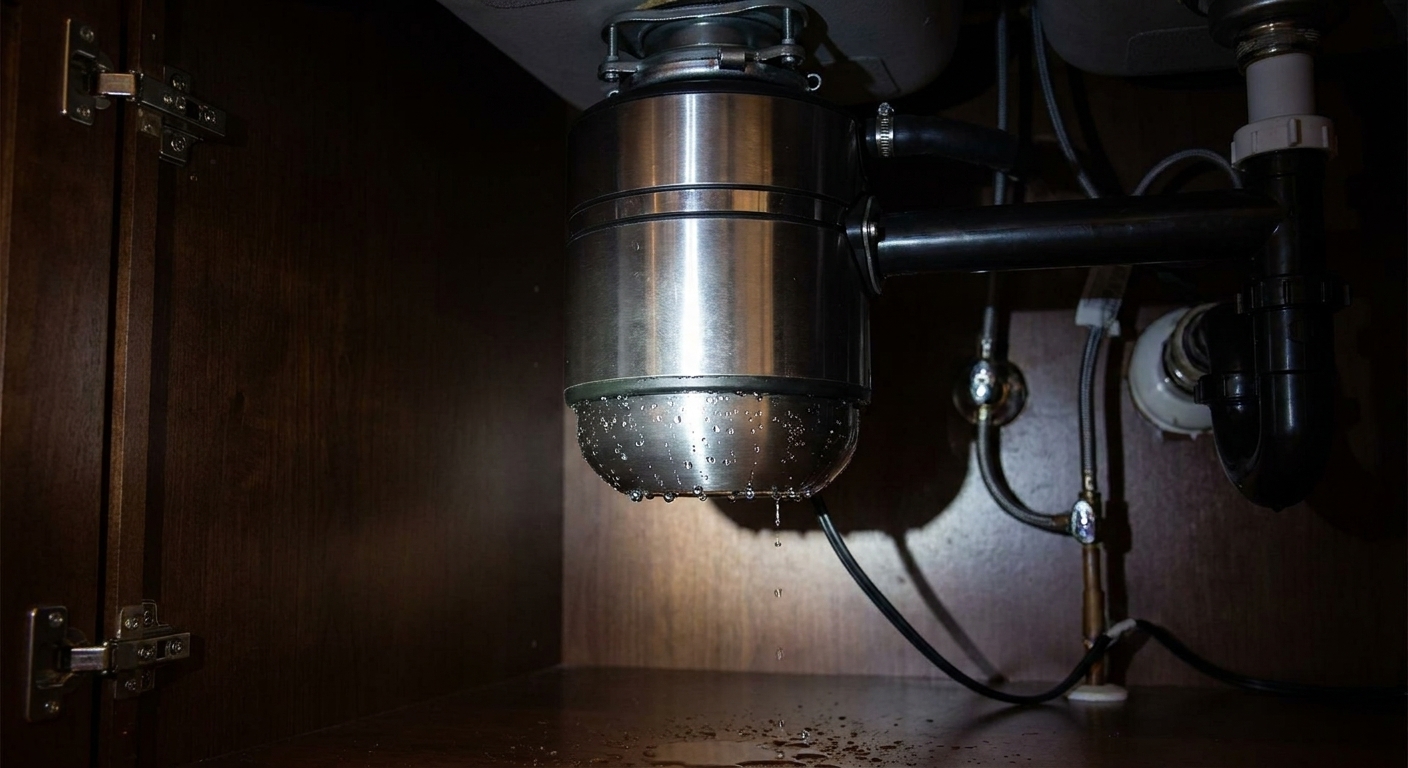
Don't overtighten. Most leaks under sinks come from people cranking slip joints too hard and deforming washers.
Kitchen sink clogs: common causes
Grease clogs
- Dish soap + very hot water flush
- Plunge with the other basin sealed
- Hand auger if it is still slow
Garbage disposal issues
- If the disposal hums but will not spin, shut off power and use the hex key at the bottom (if your model has one) to free it. Then press the reset button (usually on the bottom of the unit) if it popped.
- If the drain backs up but the disposal runs, the clog is often in the trap or the wall line. A trap cleanout or hand auger usually solves it.
- Never put your hand in the disposal, even if the switch is off. Use tongs or pliers.
Double sink, one side backing up
Block the other bowl, then plunge. If that fails, pull the trap. Many double sinks collect gunk at the baffle tee where both bowls join.
Dishwasher backup
If your dishwasher drains into the disposal or sink tailpiece and the sink is clogged, the dishwasher can back up too. If you are comfortable, check for a kinked dishwasher drain hose and make sure the hose loops high under the counter (a “high loop”) to reduce backflow. If you recently installed a disposal, also confirm the dishwasher inlet knockout plug was removed.
Tub and shower clogs
Most tub clogs are a hair rope anchored right at the drain shoe or a few inches down. A plastic hair snake clears a ton of them in under five minutes.
- Remove the strainer, use a plastic hair tool, then flush with hot water.
- If the tub still drains slow, plunge while blocking the overflow with a wet rag.
- If plunging fails, step up to a hand auger and work in short passes.
How to tell where the clog is
- Slow drain, no standing water: buildup or partial clog. Start with stopper cleanup, hot water, baking soda and vinegar.
- Standing water that drains very slowly: deeper clog. Plunge first, then snake.
- Water backs up in a different fixture: branch line or main line issue. Example: run the bathroom sink and the tub gurgles.
- Multiple drains slow at once: possible main line clog or venting problem.
- Gurgling plus trap siphoning: if you hear gurgling and notice a fixture smellier than usual (trap getting pulled dry), that can point to a venting issue, not just a simple clog.
When to stop DIY and call a plumber
I am all for rolling up sleeves, but there are moments when the smartest move is handing it off.
- Clogs affecting multiple fixtures or sewage odor coming from drains
- Repeated clogs in the same drain every few weeks
- Water backing up into a tub when you flush, or vice versa
- You cannot get a snake past a point and you suspect a collapsed line, root intrusion, or heavy scale
- You have used chemical cleaner and the drain is still full
Prevent clogs
- Kitchen: Never pour grease down the drain. Wipe oily pans with a paper towel first. Use a sink strainer and empty it into the trash.
- Bathroom: Use a hair catcher in tubs and showers. Clean it weekly.
- Monthly habit: Flush drains with hot tap water for a couple minutes. In kitchens, add a small squirt of dish soap first.
- Septic homes: Be extra careful with what goes down the drain. Keeping clogs out is kinder to your tank and your wallet.
FAQ
Does baking soda and vinegar really unclog drains?
It can help with slow drains caused by buildup, especially soap scum and light grease film. It is less effective on solid plugs like a wad of hair, food, or a foreign object. For those, a snake is the reliable fix.
Can I use boiling water on PVC pipes?
I generally stick to very hot tap water for PVC. Brief boiling water is not guaranteed to ruin PVC, but it can stress fittings and soften older glue joints. If you are not sure what you have, play it safe and use hot tap water plus dish soap or a snake.
Why does plunging not work on my bathroom sink?
Usually it is because air is escaping through the overflow opening. Stuff a wet rag into the overflow hole, keep a little water in the basin for a seal, and plunge again.
What is the best tool for shower hair clogs?
A plastic barbed hair snake is cheap and works great for clogs near the top. If the shower is still slow afterward, step up to a small hand auger.
My drain is clear but it still smells. What now?
Run water to make sure the P-trap is filled. If the smell persists, clean buildup in the trap (sink) or treat the drain with baking soda and vinegar, then hot water. Persistent sewer gas smells can also point to venting issues or a dried-out trap in an infrequently used fixture.
Bottom line
If you remember one thing, make it this: physical removal beats chemical guessing. Clean the stopper, plunge with a real seal, then snake. It is not glamorous, but it works, and you will never again have to wonder what is eating your pipes from the inside.