Low water pressure has a special talent for showing up at the worst possible moment, usually right when you are covered in shampoo. The good news is that most low-pressure problems at a faucet come down to a handful of common culprits, and you can narrow them down without tearing your house apart.
I will walk you through a methodical process I used as a contractor and still use at home: figure out whether the problem is one faucet, one side (hot or cold), or the whole house. From there, the fix is usually pretty straightforward.
First: Is it one faucet or the whole house?
Before you buy parts, do a quick pressure map of the house. This tells you whether you are dealing with a local clog or something bigger.
Quick 5-minute test
- Test multiple fixtures: kitchen faucet, a bathroom sink, tub spout, and an outdoor hose bib if you have one.
- Test hot vs. cold: does low pressure happen on both, or only one side?
- Note fixture type: is it only faucets (aerators) or only showers (showerhead) or everything (valves, PRV, supply issue)?
What the pattern usually means:
- One faucet is weak: clogged aerator, clogged cartridge, clogged supply stop, or kinked supply line.
- All faucets are weak but showers are okay: often aerators or faucet cartridges, but still confirm house pressure.
- Everything is weak everywhere: main shutoff not fully open, pressure reducing valve issue, clogged whole-house filter or softener, a supply line issue, or a municipal supply problem.
- Only hot is weak: water heater valve partially closed, hot-side piping restriction, or a recirculation/check valve issue (if you have a recirc system).
Rule out the simple stuff
1) Clean a clogged faucet aerator
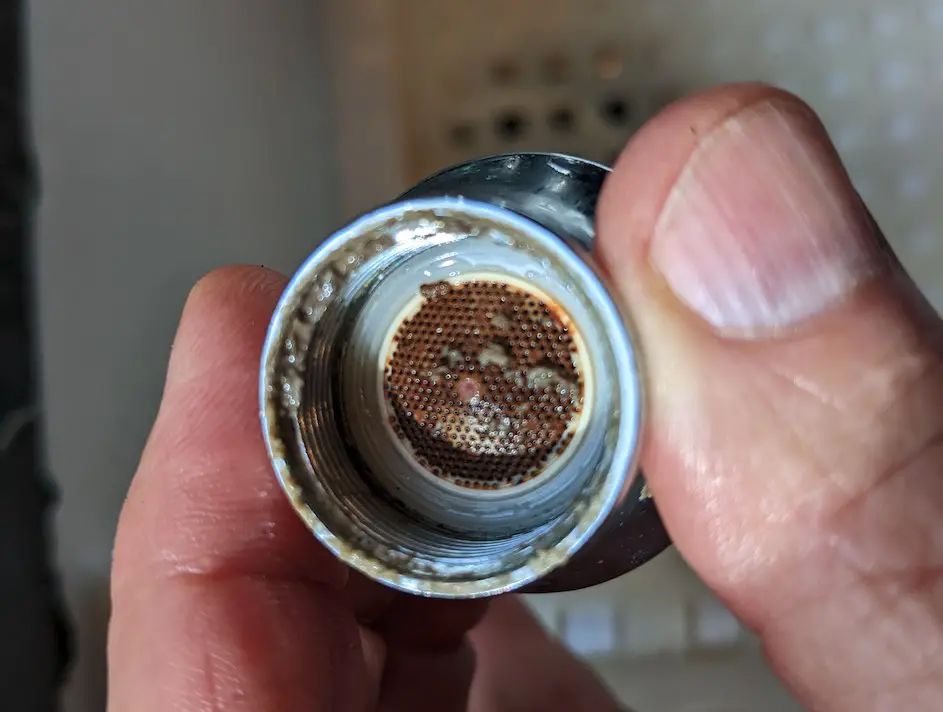
If one sink suddenly turns wimpy, the aerator is my first stop. It is basically a tiny screen at the tip of the faucet, and it loves collecting sand, mineral scale, and bits of old pipe crud.
- Plug the sink drain so you do not donate small parts to the plumbing gods.
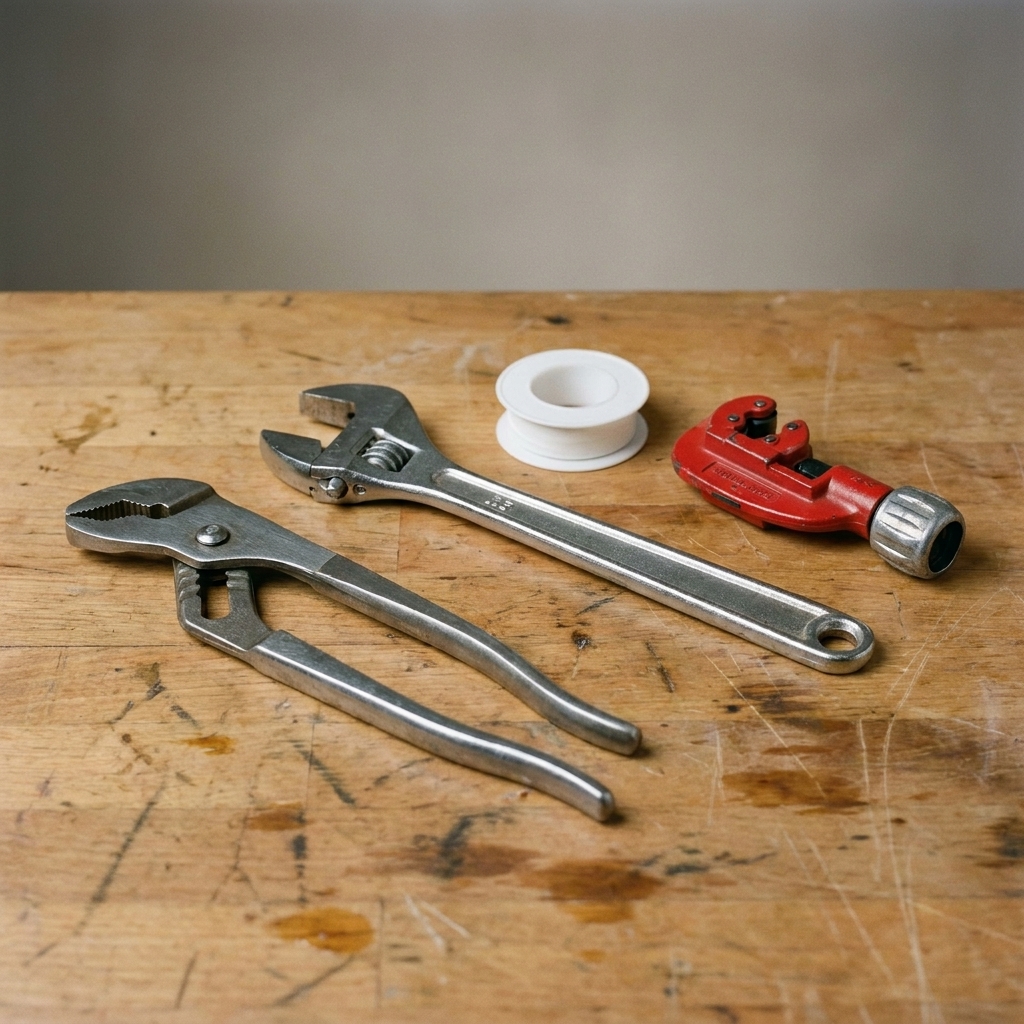
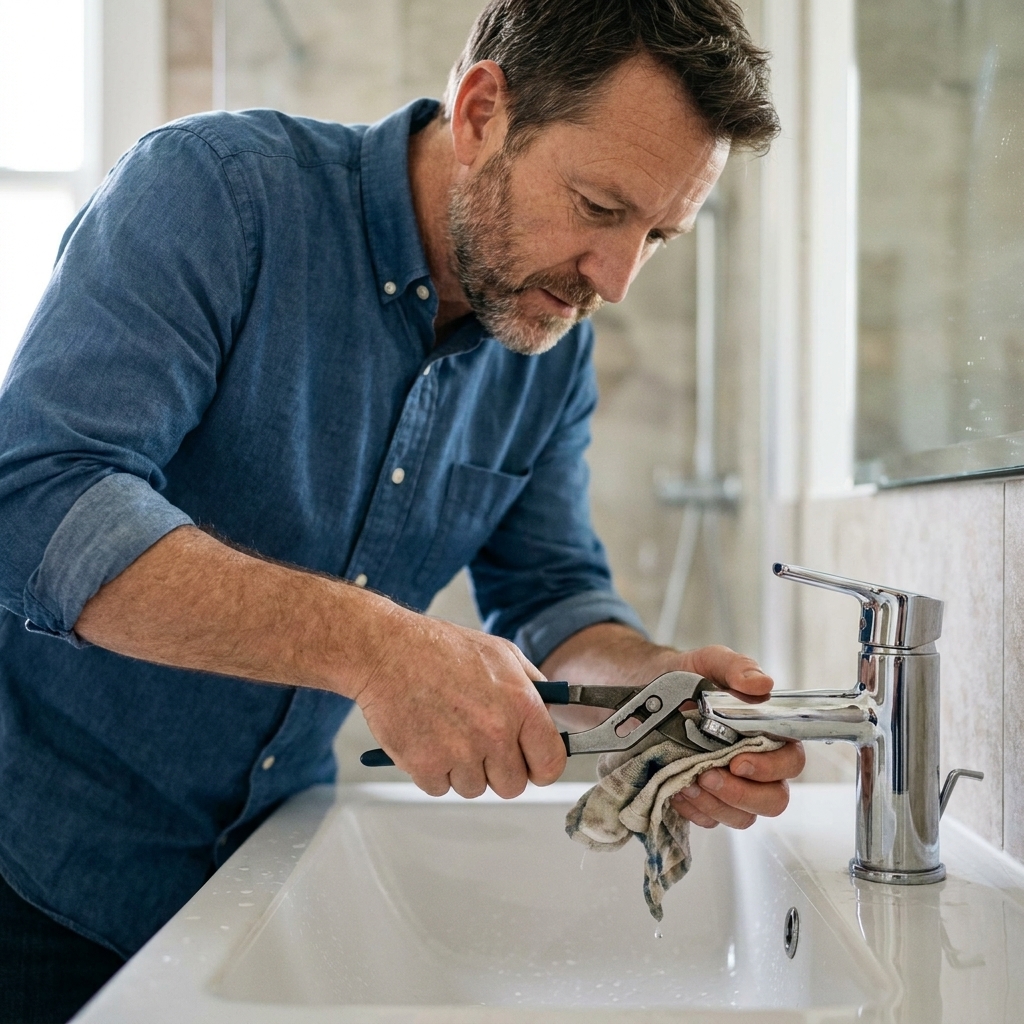
- Unscrew the aerator. If it is stuck, wrap it with a rag and use channel-lock pliers gently.
- Rinse debris from the screen and parts.
- If there is white crusty buildup, soak the parts in white vinegar for 30 to 60 minutes, then scrub with an old toothbrush.
- Reassemble and test.
Pro tip: If debris came out of the aerator, run the faucet for 30 seconds without the aerator to flush the line, then reinstall.
2) Clean a clogged showerhead
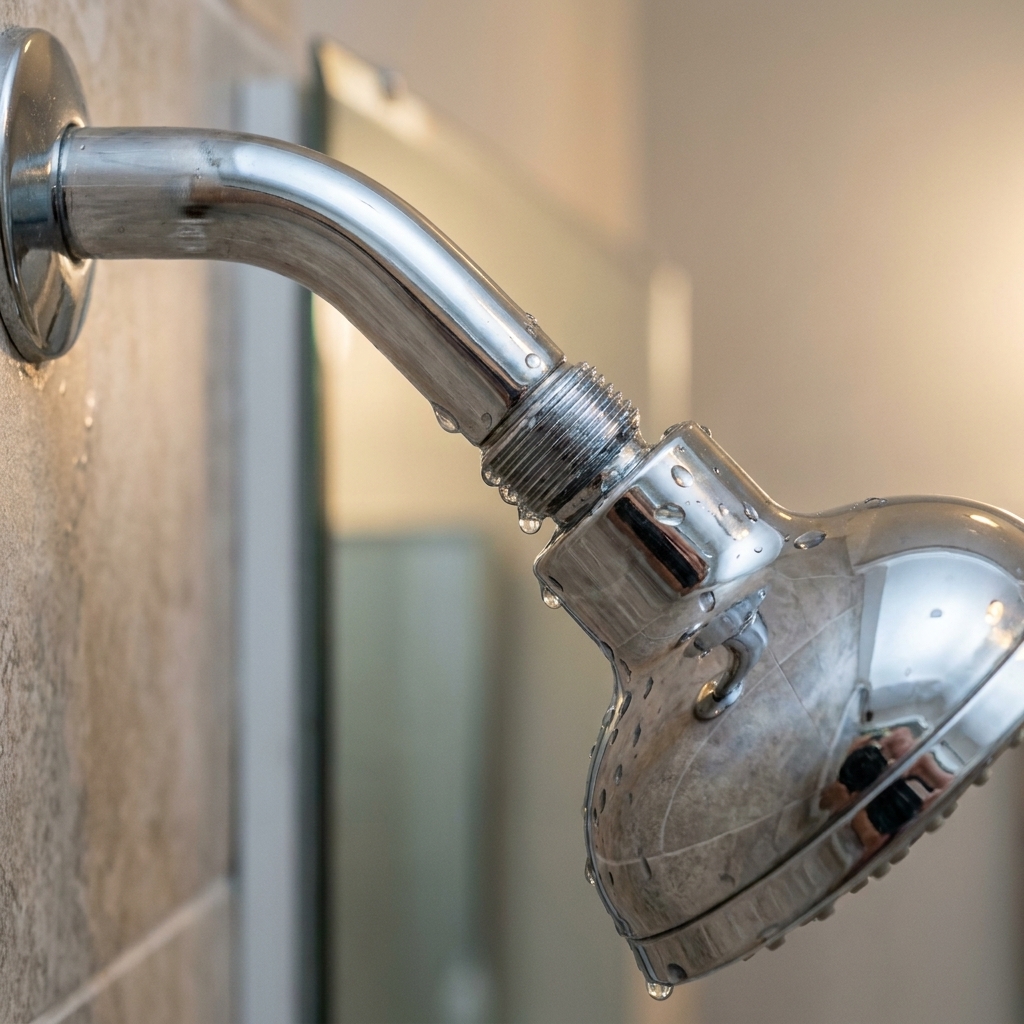
Weak shower pressure is often just mineral buildup in the nozzles.
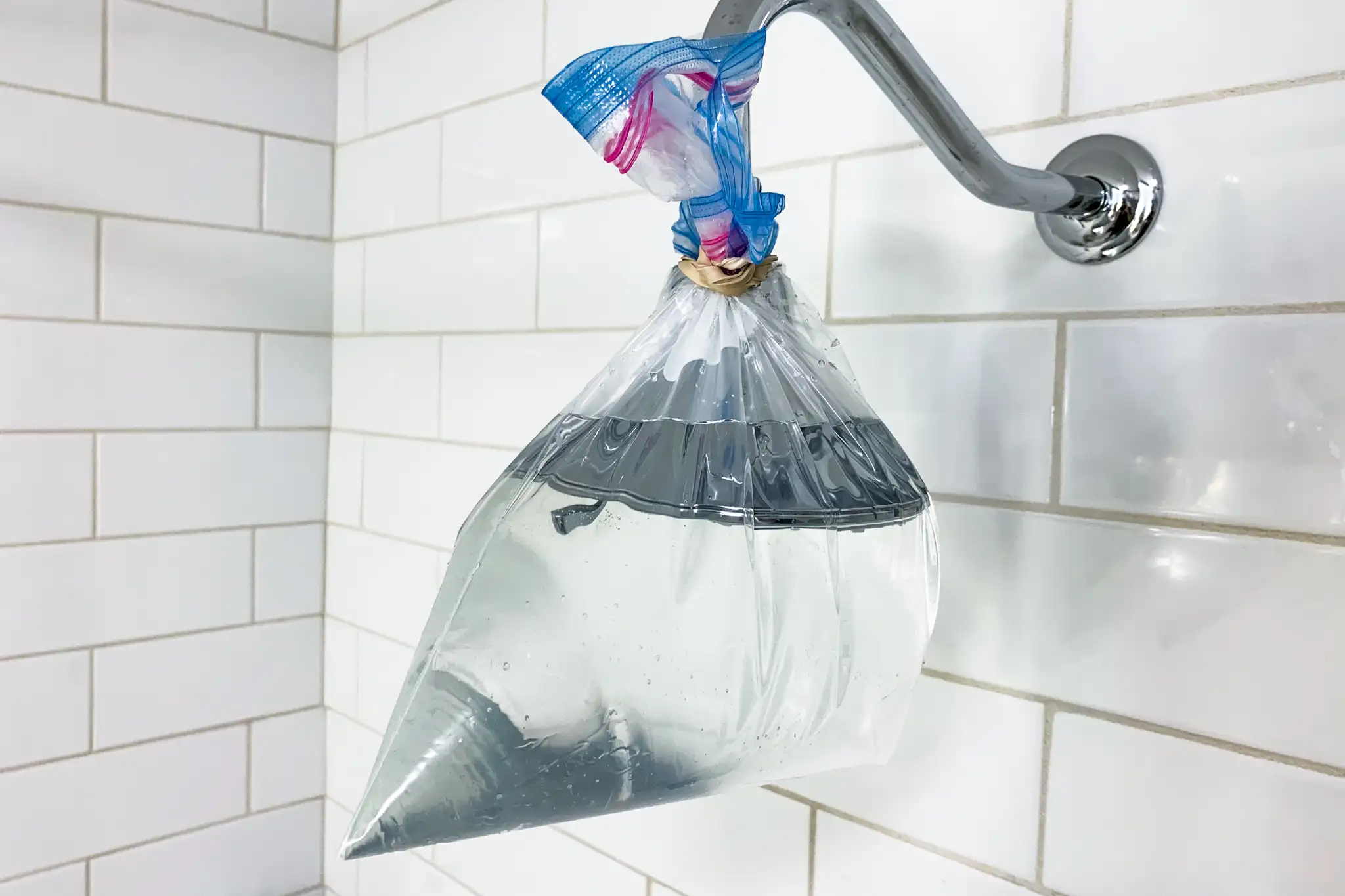
- Unscrew the showerhead (usually by hand, otherwise use a rag and pliers).
- Soak it in vinegar for a few hours or overnight.
- Rinse and poke stubborn nozzles with a wooden toothpick.
- Reinstall with fresh Teflon tape on the threads if needed.
3) Make sure the shutoff valves are fully open
This one sounds almost too obvious, but it gets people all the time after a repair or a cleaning project under the sink.
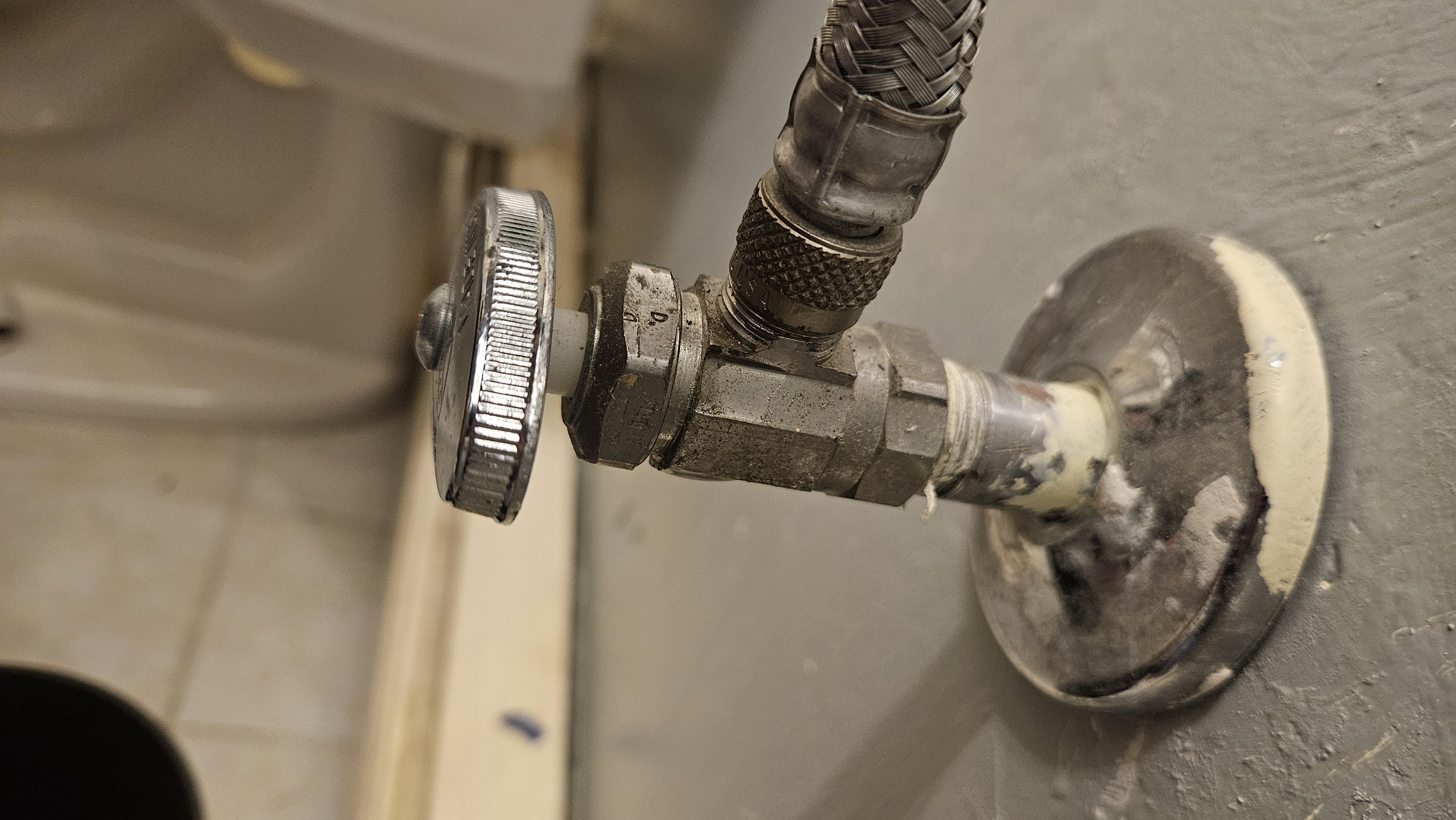
- Under-sink stop valves: turn counterclockwise to open fully.
- Toilet stop valves: same deal. If the toilet refills painfully slow, check here.
- Main house shutoff: find it and confirm it is fully open.
Heads up: Old multi-turn stop valves can break internally, or start leaking after you touch them. If the handle spins and nothing changes, or if it drips from the stem, the valve may have failed. Have a towel and a small bucket ready, and do not be shy about calling a plumber if an old valve acts up.
If the whole house is low
Step 1: Did it happen suddenly?
Sudden drops often point to a valve issue, PRV trouble, a clogged filter, or a municipal supply event. A slow decline over months is more often mineral scale buildup, aging galvanized pipe, or gradually clogging fixtures.
Step 2: Confirm your pressure with a gauge
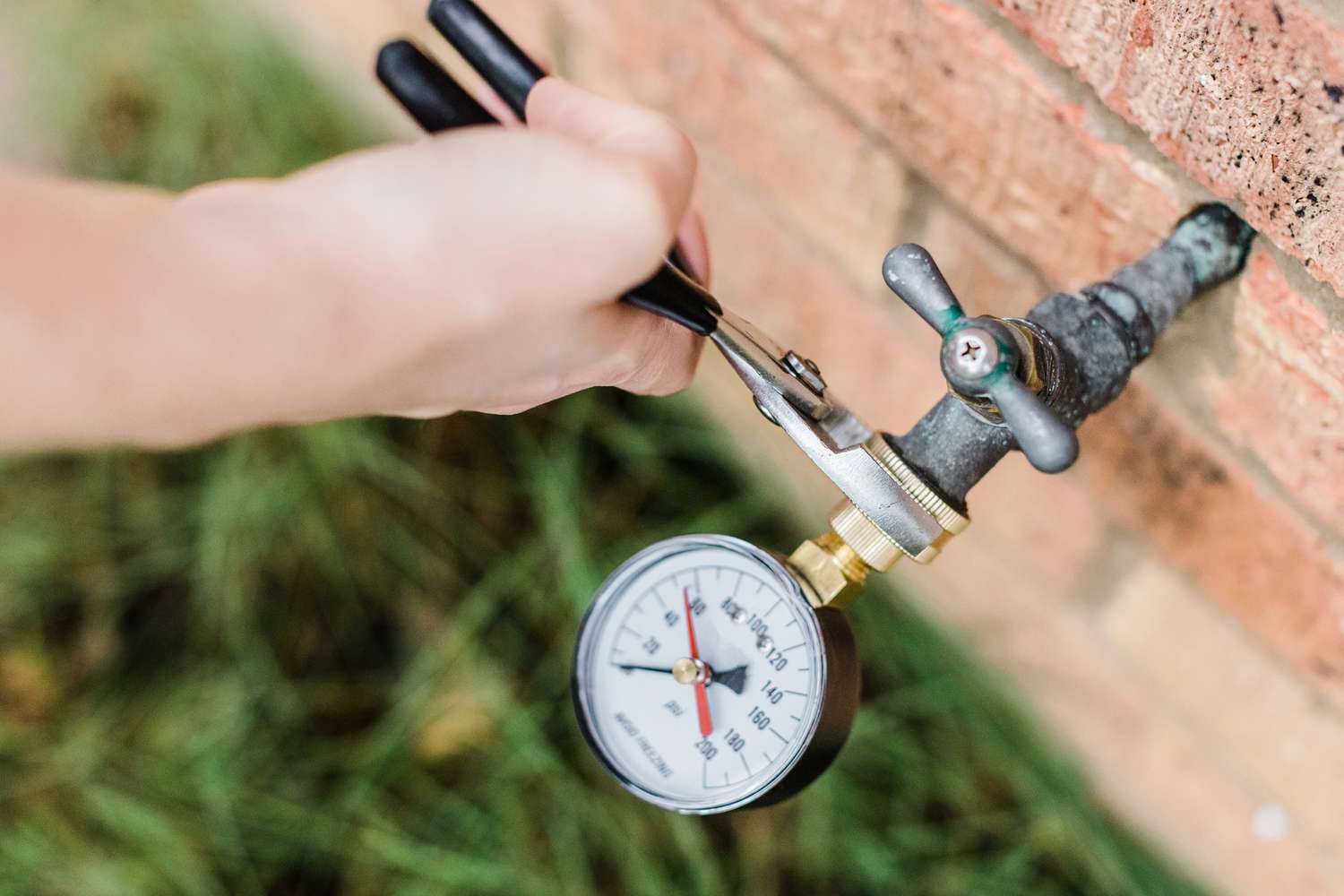
If you want one tool that takes the guesswork out of this, it is a $10 to $15 water pressure gauge that screws onto a hose bib. You can test in two minutes.
- Screw the gauge onto an outdoor spigot or a laundry sink hose thread if you have one.
- Turn the water on fully and read the PSI.
Typical homes: Many houses run comfortably around 40 to 60 PSI. Around 80 PSI is a common threshold in plumbing codes where pressure regulation is required, but exact limits and requirements vary by jurisdiction.
Tip: If possible, test at a hose bib that is as close to where the water service enters the house as you can get. Some homes have hose bibs downstream of filtration or treatment equipment, and a clogged filter can make the reading look like a supply problem when it is really a restriction inside the home.
Step 3: Check static vs. running pressure
One reason people get stuck is that static pressure and real-world performance are not the same thing.
- Static pressure: gauge reading with no water running in the house.
- Running pressure: gauge reading while someone opens a faucet or you run a hose.
If your static pressure looks decent but it drops hard when you open a faucet, that points to a restriction (filter, softener, failing PRV, clogged valve, undersized or corroded pipe) or a supply issue. If static pressure is low right from the start, you are more likely dealing with a supply, PRV, or main shutoff problem.
Step 4: Check the main shutoff valve position
Main shutoffs are usually a ball valve (lever handle) or a gate valve (round wheel handle).
- Ball valve: handle parallel to the pipe is open. Perpendicular is closed.
- Gate valve: turn counterclockwise until it stops gently. Do not force it.
If a gate valve is stuck, do not muscle it. That is how people snap stems and turn a bad day into a very wet one. If you have an old gate valve that is unreliable, replacing it with a ball valve is usually money well spent.
Step 5: Look for a PRV problem
Many homes have a PRV near where the water line enters the house. Its job is to lower high city pressure to a safe level. When a PRV fails, it can stick or clog and cause low pressure across the whole home.
Signs your PRV might be the culprit:
- Whole-house low pressure, including hose bibs
- Pressure that changes randomly, sometimes fine, sometimes weak
- A big pressure drop after nearby city work or a water shutoff event
What you can do:
- Locate the PRV and see if it has an adjustment screw or bolt on top.
- Using your pressure gauge as feedback, make small adjustments only.
- If pressure will not adjust, fluctuates badly, or the valve is old, replacement is often the real fix.
Safety note: Do not crank pressure higher just because. Excess pressure is hard on appliances, supply lines, and fittings, and it can create leaks that were not leaking before.
Step 6: Check filters and softeners
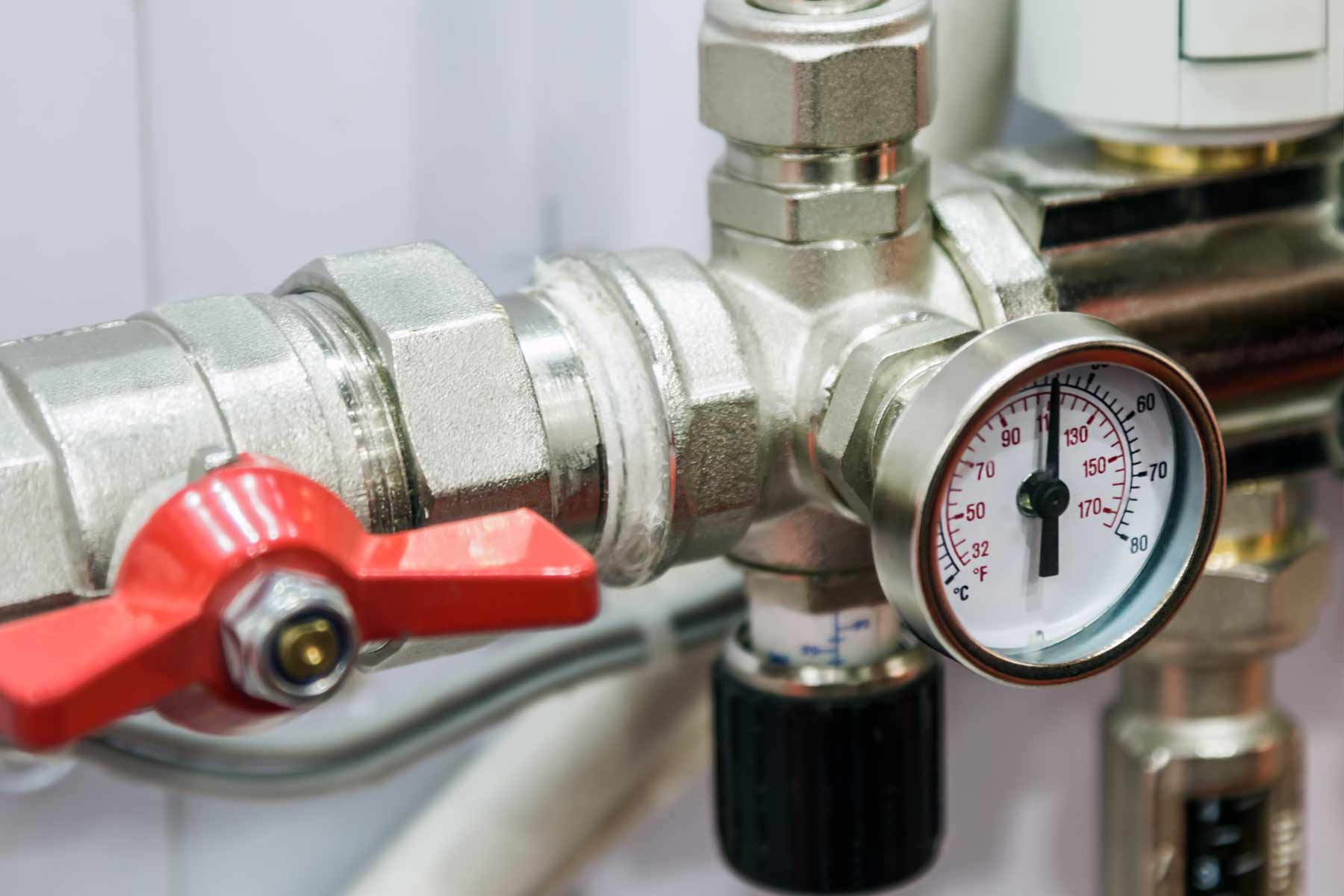
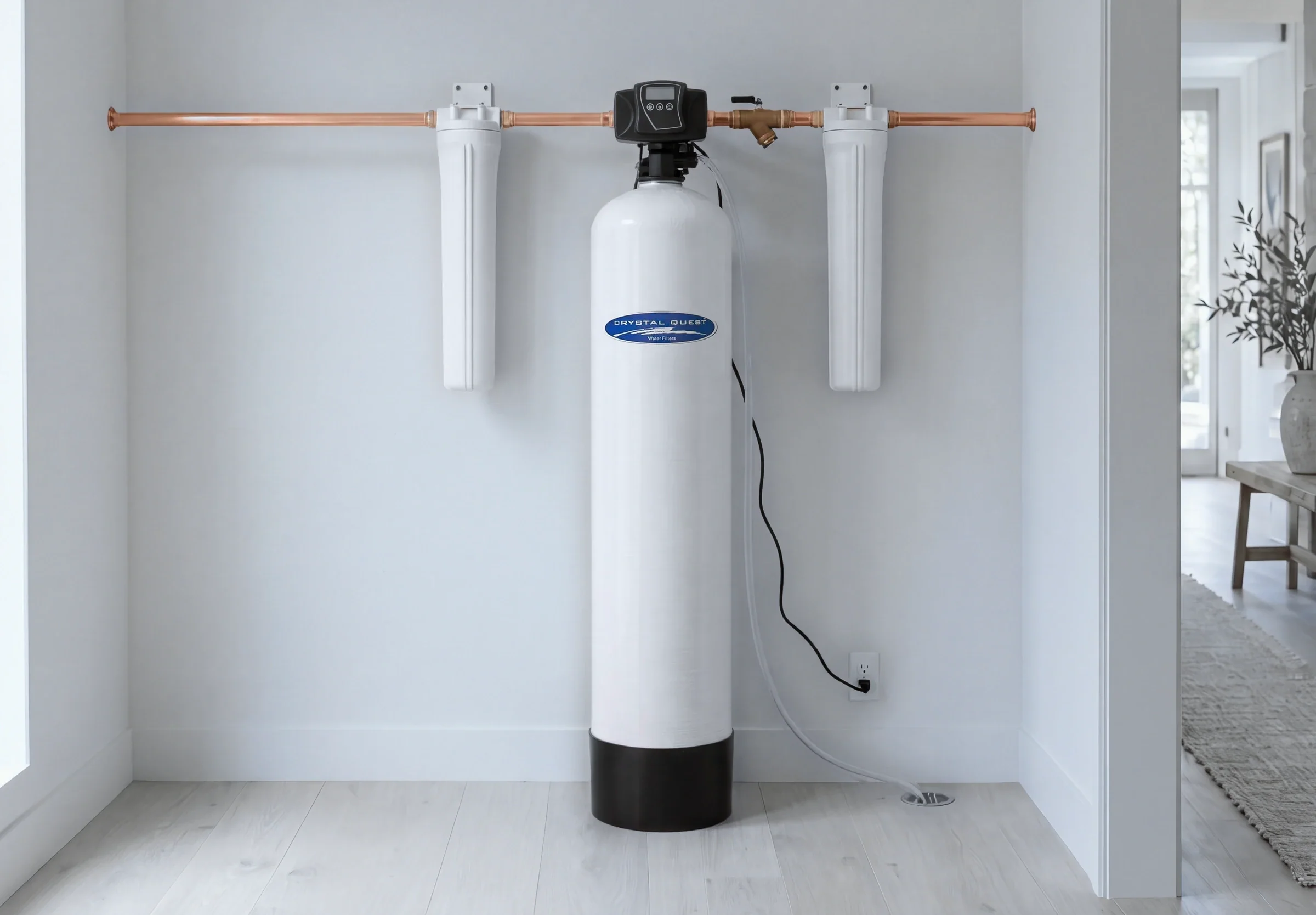
A clogged sediment filter will choke your whole house, and it can happen fast if the city flushes hydrants or there is a disturbance in the line.
- If you have a filter housing: replace the cartridge and clean the housing.
- If you have a softener: make sure it is not stuck mid-regeneration. Many systems have a bypass valve. Temporarily bypass to see if pressure returns.
If bypassing restores pressure, your restriction is in the treatment equipment, not the plumbing piping.
Step 7: Consider a leak (and what it really does)
A small leak does not usually lower static pressure in a noticeable way, but a significant leak can reduce available flow and make pressure feel weak when you are trying to use water. The bigger giveaway is typically a suddenly higher water bill, the sound of water running when nothing is on, or continuous water meter movement.
Easy homeowner leak check:
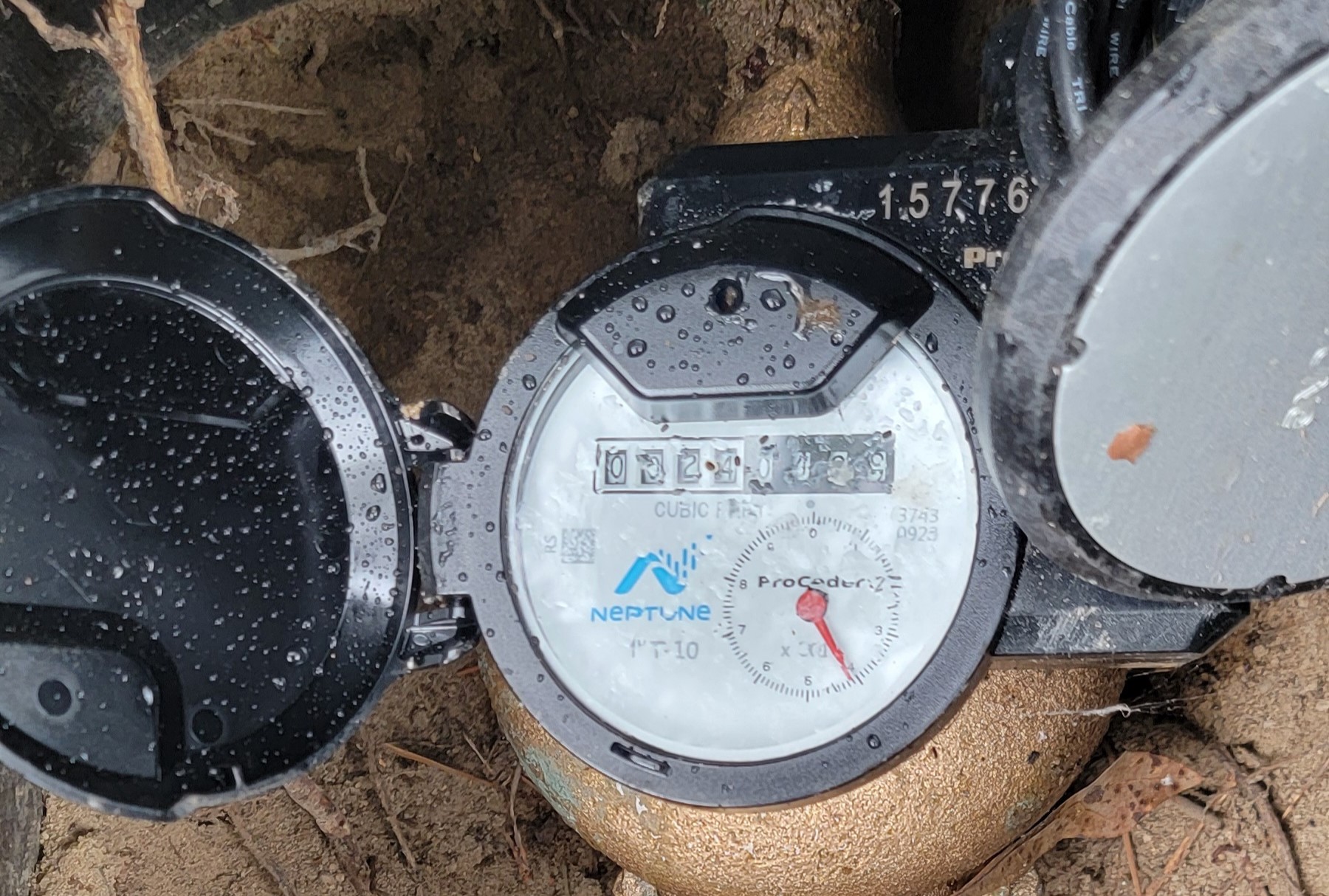
- Turn off all water fixtures and do not use water for 15 minutes.
- Look at your water meter. If the leak indicator is moving, you likely have a leak.
If you confirm a leak, start by checking toilets (silent running toilets are notorious), then visible plumbing and the water heater area. If it points to an underground or in-wall leak, that is when I call a pro.
Step 8: Galvanized pipes mean restricted flow
Older galvanized steel pipes can clog from the inside with rust and mineral scale. The result feels like low pressure, but it is really low flow caused by a narrowed pipe diameter.
Common clues include:
- Pressure seems worse at high-demand times (shower plus dishwasher is brutal)
- Brownish water after shutting water off and back on
- Multiple fixtures gradually getting weaker over the years
Unfortunately, the lasting fix is repiping sections or the whole house. If you suspect this, get a plumber to evaluate before you throw time and money at quick fixes.
Step 9: Check backflow devices (if you have them)
Some homes have a backflow preventer or check valve on the main line, and some hose bibs have vacuum breakers. They are not the most common cause, but they can stick or clog. If you have a backflow device and you are seeing whole-house symptoms that do not match the usual suspects, this is a good pro-level inspection point.
Low pressure or low flow by design
Sometimes the water is doing exactly what the fixture was built to do. Newer faucets and showerheads often have flow restrictors, and the “pressure” can feel weak even when your PSI is fine.
- If one new fixture feels weak: compare it to an older fixture in the house.
- If a showerhead changed recently: check the packaging or model specs for GPM (gallons per minute).
You can clean mineral buildup either way, but if the fixture is simply low-flow by design, no amount of aerator cleaning will make it behave like an old high-flow fixture.
If only hot water pressure is low
When cold pressure is fine but hot is weak, think water heater shutoffs and hot-side restrictions.
Check the water heater shutoff valve
- Find the cold-water supply line going into the top of the heater.
- Confirm the valve is fully open.
Watch for recirculation and check valve issues
If you have a hot water recirculation pump, a stuck check valve can restrict hot flow. The symptoms are often weird, like one bathroom going hot-slow while others seem normal. If you have a recirc system and the problem is hot-side only, it is worth checking.
Flush sediment (especially on older tanks)
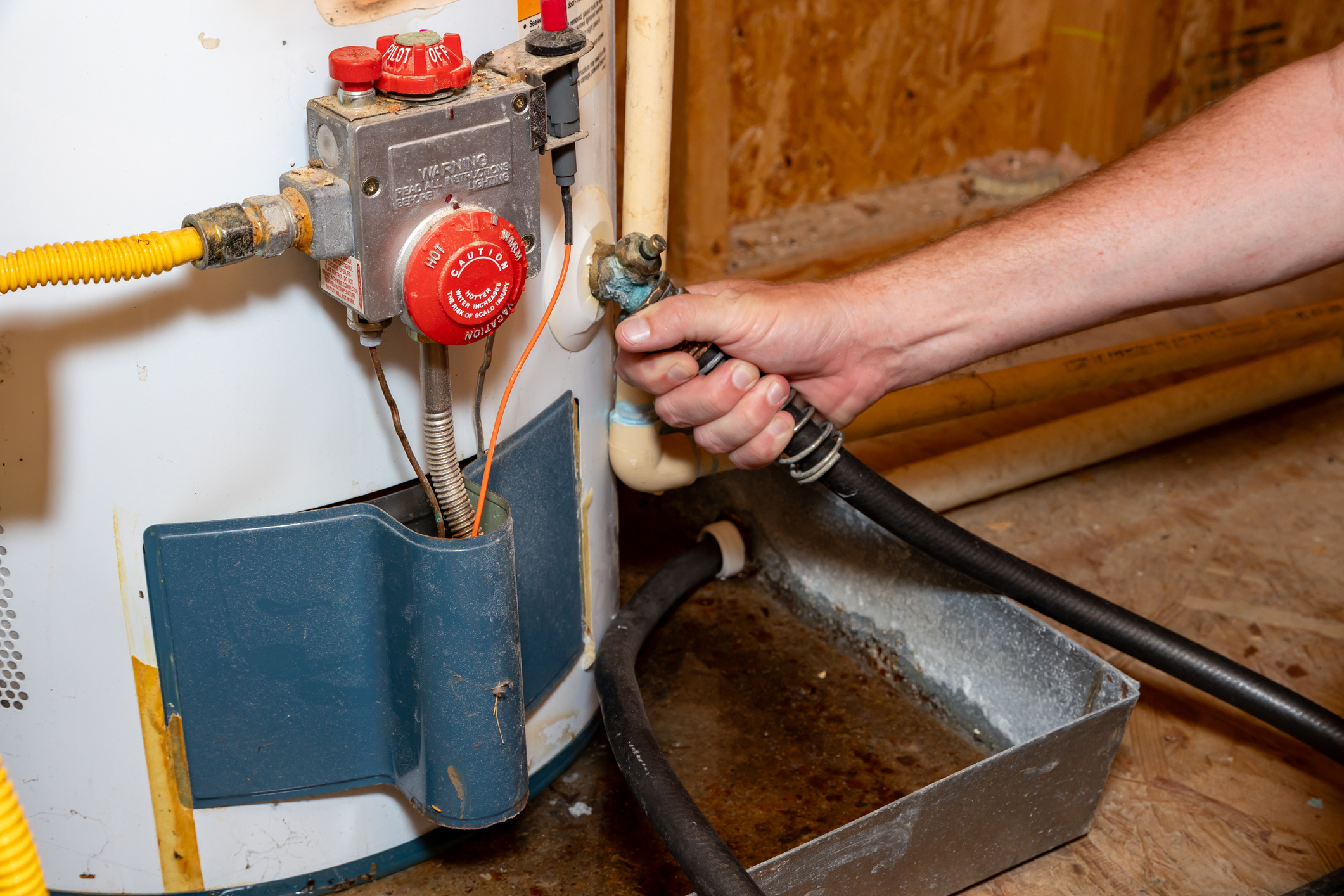
Sediment can cause all sorts of headaches, including reduced performance and occasional flow issues. Flushing a tank water heater is a good maintenance habit if your water is hard.
High-level flush steps:
- Turn off power to electric heaters at the breaker, or set gas to pilot per manufacturer instructions.
- Close the cold-water supply to the heater.
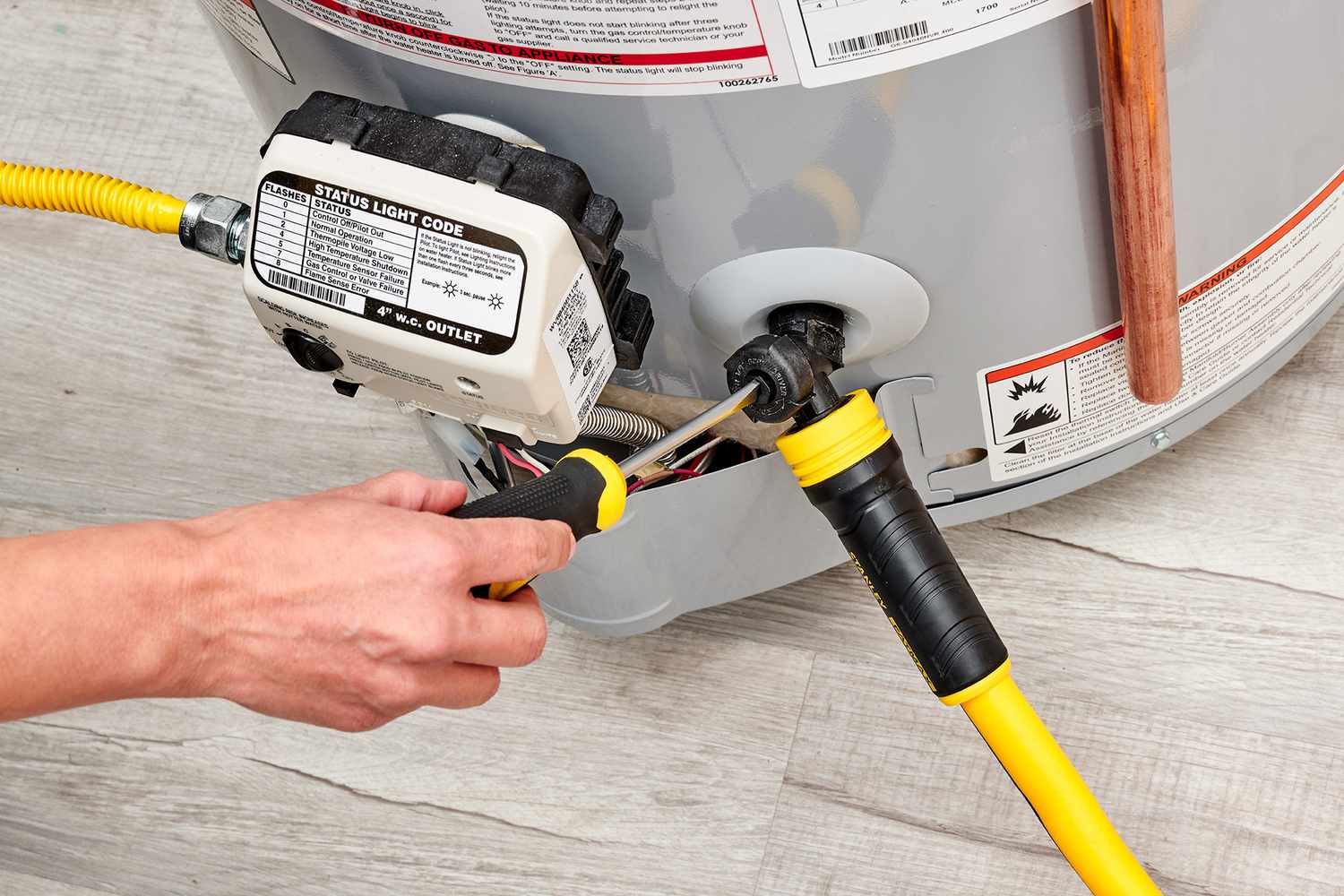
- Connect a hose to the drain valve and run it to a safe drain location.
- Open a nearby hot faucet to relieve pressure, then drain and flush until water runs clearer.
If your drain valve is fragile, seized, or leaking, stop and call a plumber. I have learned the hard way that forcing old plastic drain valves can turn a simple maintenance job into an emergency.
One faucet still weak after cleaning
If the aerator is clean and the valve under the sink is fully open, the restriction is usually inside the faucet or supply connection.
Check the supply line for kinks
- Look for a sharp bend in the braided supply line.
- If it is kinked, replace it. Braided lines are cheap and not worth wrestling back into shape.
Flush the stop valve and supply line
This is a great trick after city work or a shutoff event that kicked debris loose.
- Put a small bucket under the valve and keep a towel handy.
- Turn off the under-sink stop valve.
- Place the supply line end into a bucket (disconnect it from the faucet if needed).
- Slowly turn the stop valve on for a second or two to blast debris into the bucket, then off again.
Caution: Old stop valves sometimes start dripping after you cycle them. If the stem packing leaks or the valve will not fully shut off afterward, plan on replacing the valve, or call a plumber before it turns into a bigger issue.
If the stop valve barely flows into the bucket, the valve itself may be clogged or failing.
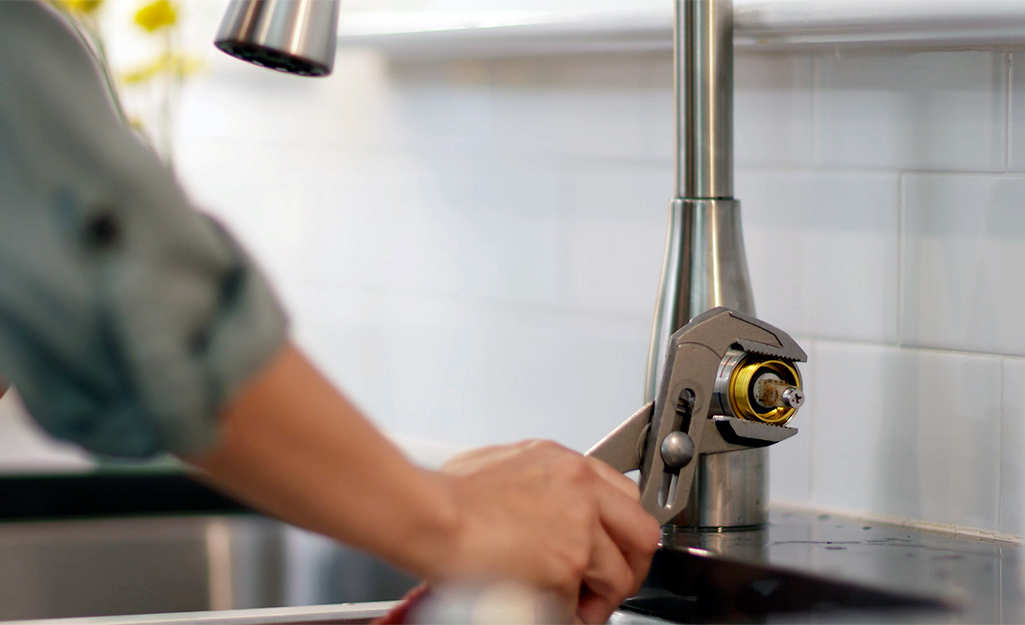
Clean or replace the faucet cartridge
Single-handle faucets use a cartridge that can clog with grit. Each brand is different, but the general idea is: shut off water, disassemble handle, remove cartridge, rinse, and reinstall or replace.
If you do not know the faucet brand, take a clear photo of the faucet and the cartridge and bring it to the hardware store. That saves a lot of guesswork.
When to call the city or a plumber
I am all for DIY, but there are a few situations where you will save time and avoid damage by getting help.
- Neighbors also have low pressure: call your water utility first. It may be a main break, hydrant flushing, or maintenance.
- Your gauge reads low at the best test point: if the reading is low at a hose bib near the service entry after verifying shutoffs are open and filters are not clogged, a plumber can evaluate the PRV, service line, and meter area.
- You suspect a hidden leak: moving water meter with all fixtures off, damp spots, moldy smells, warm areas on slab, or unexplained water usage.
- Any sign of pipe corrosion or failing valves: especially old galvanized piping or crumbling shutoffs.
Low water pressure cheat sheet
| Symptom | Most likely cause | Best first fix |
|---|---|---|
| One sink faucet is weak | Clogged aerator or cartridge | Remove and clean aerator, then check cartridge |
| Shower is weak | Clogged showerhead or low-flow head | Vinegar soak and rinse, then check GPM specs |
| Whole house is weak | Main valve partially closed, clogged filter, PRV issue, supply issue | Verify shutoffs, bypass or replace filter, gauge test near service entry |
| Only hot is weak | Heater valve partly closed, hot-side restriction, recirc check valve issue | Check heater valve, inspect recirc components, consider tank flush |
| Pressure fluctuates | PRV failing, municipal supply changes | Gauge test static and running pressure, then inspect PRV or call utility |
| Low pressure plus high bill | Leak | Water meter leak test, check toilets |
FAQ
Can a partially closed water meter valve cause low pressure?
Yes. If the valve at the meter or where the line enters the house is not fully open, it can restrict flow to the entire home. If you are not comfortable operating meter-side valves (or they look corroded), call the water utility or a plumber.
Why is my water pressure low after the city shut the water off?
When water is turned off and back on, debris can get stirred up and lodge in aerators, cartridges, filters, PRVs, and sometimes valves. Start by cleaning aerators and replacing filter cartridges. If the whole house is affected, test PSI at a hose bib near the service entry and consider the PRV.
What PSI should my house water pressure be?
Many homes run well around 40 to 60 PSI. Around 80 PSI is commonly used as a threshold where pressure regulation is required, but local code requirements vary. If you are consistently under about 40 PSI at a hose bib near the service entry, it will often feel weak, but rural and well systems are sometimes set lower on purpose.
Is low water pressure dangerous?
Low pressure itself is not usually dangerous, but the cause can be. A significant leak can lead to water damage and mold. Excessively high pressure (the opposite problem) is also hard on plumbing. If you see sudden changes paired with leaks, noises, or water meter movement, investigate sooner rather than later.