If your pipes bang like someone knocked on your wall with a hammer right when you shut off a faucet, you are not imagining things. That noise is usually water hammer, and it is one of the most common plumbing complaints in otherwise healthy homes.
The good news: you can usually fix it with basic tools and a little patience. I have chased water hammer in everything from brand new PEX systems to 60-year-old copper, and most of the time it comes down to one of three things: air cushions are gone, pipes are loose, or pressure is too high.
What water hammer is
Water hammer is a pressure surge that happens when fast-moving water gets stopped too quickly. Picture a moving line of water inside the pipe. When a valve closes suddenly, all that momentum has to go somewhere, so it slams into the valve and pipe walls. That shock wave can make pipes bang, thump, or rattle.
Common triggers
- Fast-closing valves like washing machines, dishwashers, and many single-handle faucets (solenoid valves in appliances are especially quick).
- High water pressure coming into the house.
- Loose pipes that are free to jump when the pressure wave hits.
- Missing or waterlogged air chambers on older plumbing.
One quick clue: if the noise happens right at shutoff, think water hammer. If it happens while water is running, you may be dealing with pipe vibration from flow, a failing washer, or partially closed shutoff valves.
Safety first
Water hammer is usually more annoying than dangerous, but it can stress fittings over time.
Call a plumber sooner if you notice:
- Visible leaks, water stains, or mold anywhere near plumbing
- Pipes that move a lot when fixtures turn on and off
- Very loud repeated banging that continues after the valve is closed
- Galvanized steel piping with extensive corrosion (repairs can snowball fast)
For everyone else, this is a great DIY troubleshooting job.
Step 1: Find the culprit
Before you buy anything, figure out where the hammer is being created.
- Run one fixture at a time and shut it off firmly. Try sinks, tubs, toilets, outdoor spigots, then appliances.
- Listen for location: under a sink, behind the laundry wall, basement ceiling, or near a water heater.
- Test hot vs. cold. Some homes only hammer on the cold side (common with washing machines).
Step 2: Drain the system
In many homes, especially older copper installs, there were built-in vertical pipe stubs called air chambers. They trapped air to cushion the shock. Over time, those chambers can fill with water and stop working.
Draining the system can restore an air pocket, but the effect is often short-lived and in some layouts it will not restore much cushion at all. Modern best practice is still engineered water hammer arrestors, but this reset is quick and worth trying.
How to drain the system
- Turn off the main water supply to the house.
- Open the highest faucet in the home (often an upstairs bathroom sink) and leave it open.
- Open the lowest faucet (a basement utility sink or an outdoor spigot) to let water drain out.
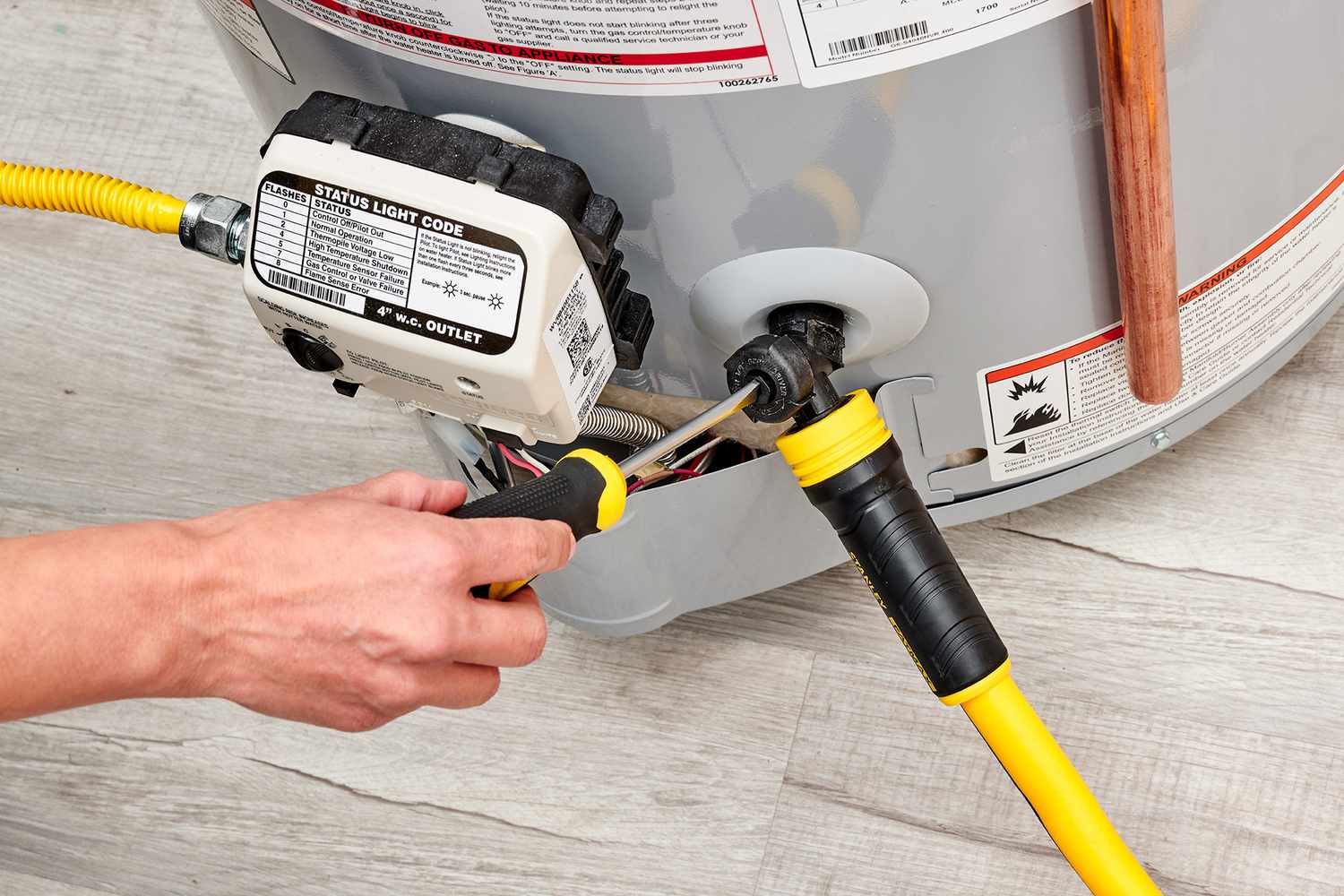
- Flush each toilet once or twice to empty tanks.
- Wait 5 to 15 minutes until flow slows to a trickle.
- Close the lowest faucet, then turn the main water back on slowly.
- Go fixture by fixture starting at the lowest level, opening cold then hot to purge air.
What to expect: sputtering and spitting at faucets for a minute is normal as air clears out. Then re-test the offending fixture. If the hammer is reduced or gone, you just confirmed the cause was lack of an air cushion (or at least a lack of any cushioning in the system).
Step 3: Secure loose pipes
Even with perfect pressure and arrestors, a pipe that is free to move will still make noise. When that pressure wave hits, the pipe can jump and smack framing members.
Where to check
- Under sinks and vanities
- Basement ceiling runs
- Crawlspaces
- Behind the laundry wall (if accessible)
- Near the water heater and main shutoff
What to do
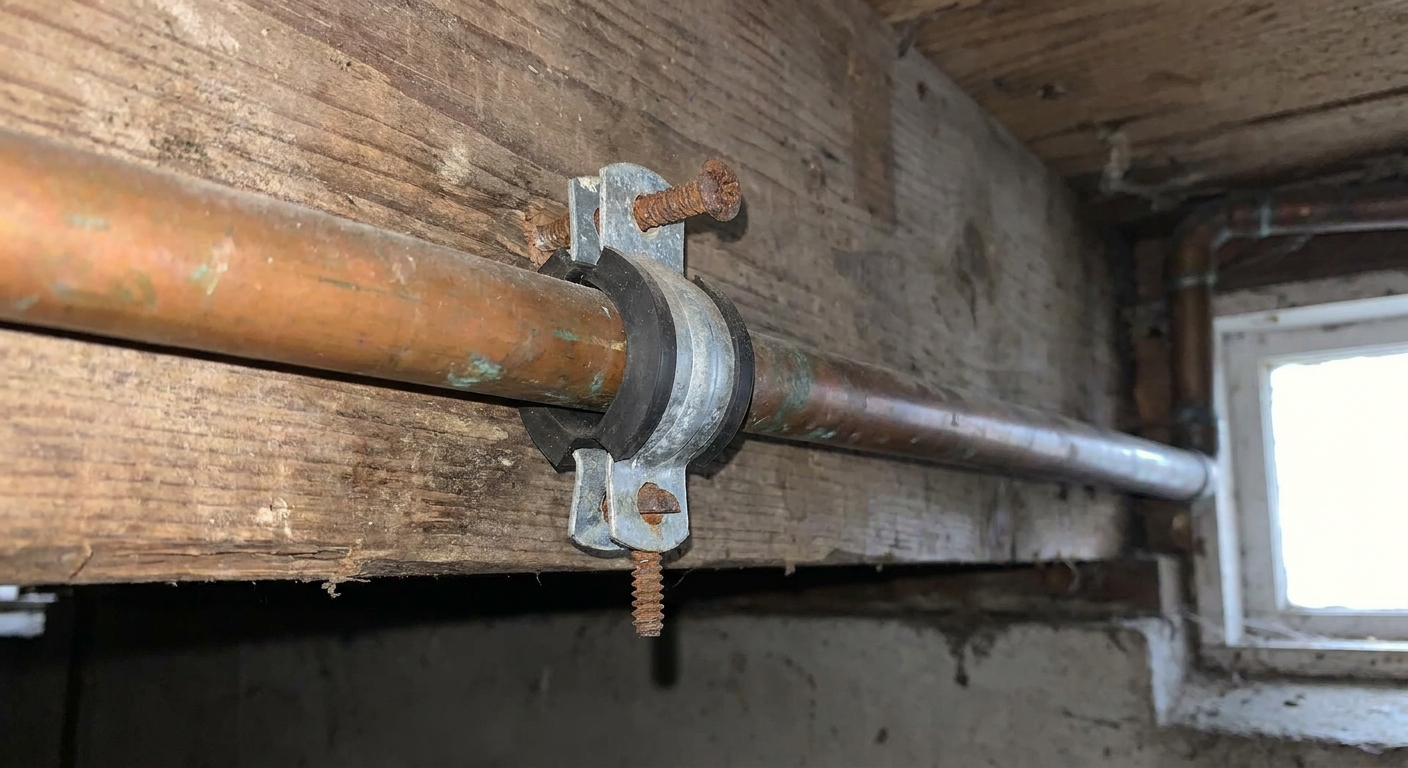
- Add pipe clamps or straps to secure long runs. For copper, use cushioned clamps when possible.
- Stop rubbing and tapping: if a pipe passes through a stud, add a plastic bushing or foam pipe insulation so it cannot knock on wood.
- Follow local code and manufacturer guidance for support methods and spacing (it varies by material and layout).
- Do not overtighten. You want secure, not crushed.
Step 4: Check water pressure
High pressure makes water hammer worse and can shorten the life of fixtures, valves, and supply hoses.
What pressure should be
Typical recommendations put many homes in the 40 to 60 psi range, with 50 to 70 psi also common depending on layout and personal preference. Many codes and manufacturers treat 80 psi as a common maximum. Requirements vary by location, so use those numbers as general targets, not universal law.
How to test it
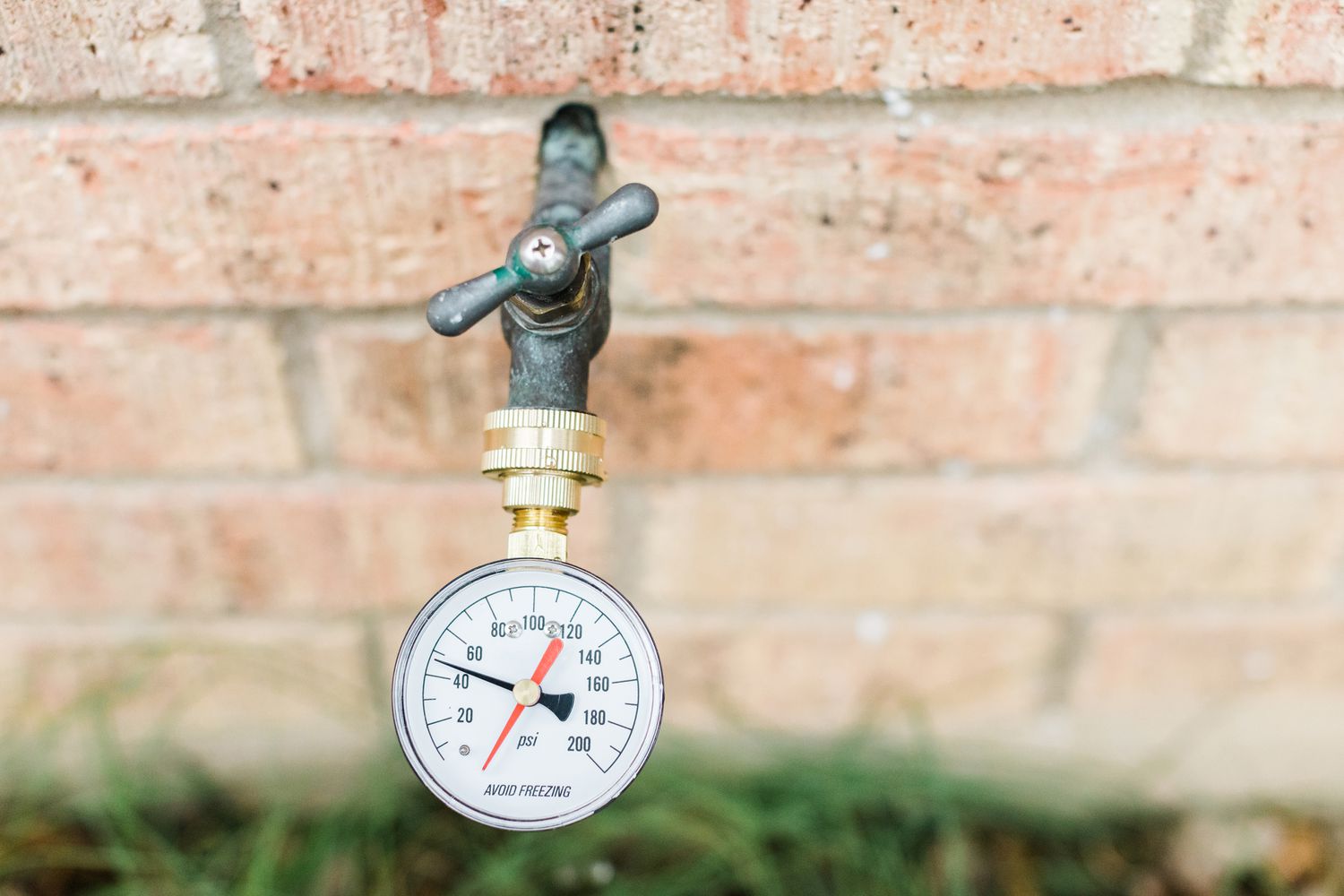
- Buy or borrow a water pressure gauge that threads onto a hose bib.
- Screw it onto an outdoor spigot (or laundry sink hose connection).
- Turn the water on fully and read the gauge.
Pro tip: If you are chasing random thumps or suspect thermal expansion, use a gauge with a peak-reading indicator (sometimes called a lazy hand), or leave a gauge on overnight to see if pressure spikes.
If pressure is high
If you have a pressure-reducing valve (PRV) near your main shutoff, it may need adjustment or replacement. Adjusting a PRV can be a straightforward DIY, but old or corroded valves can stick, leak, or refuse to hold a setting.
- Adjust in small increments.
- Re-check both static pressure (no fixtures running) and flowing pressure (a faucet running).
- If it will not hold steady, it is usually a replacement job.
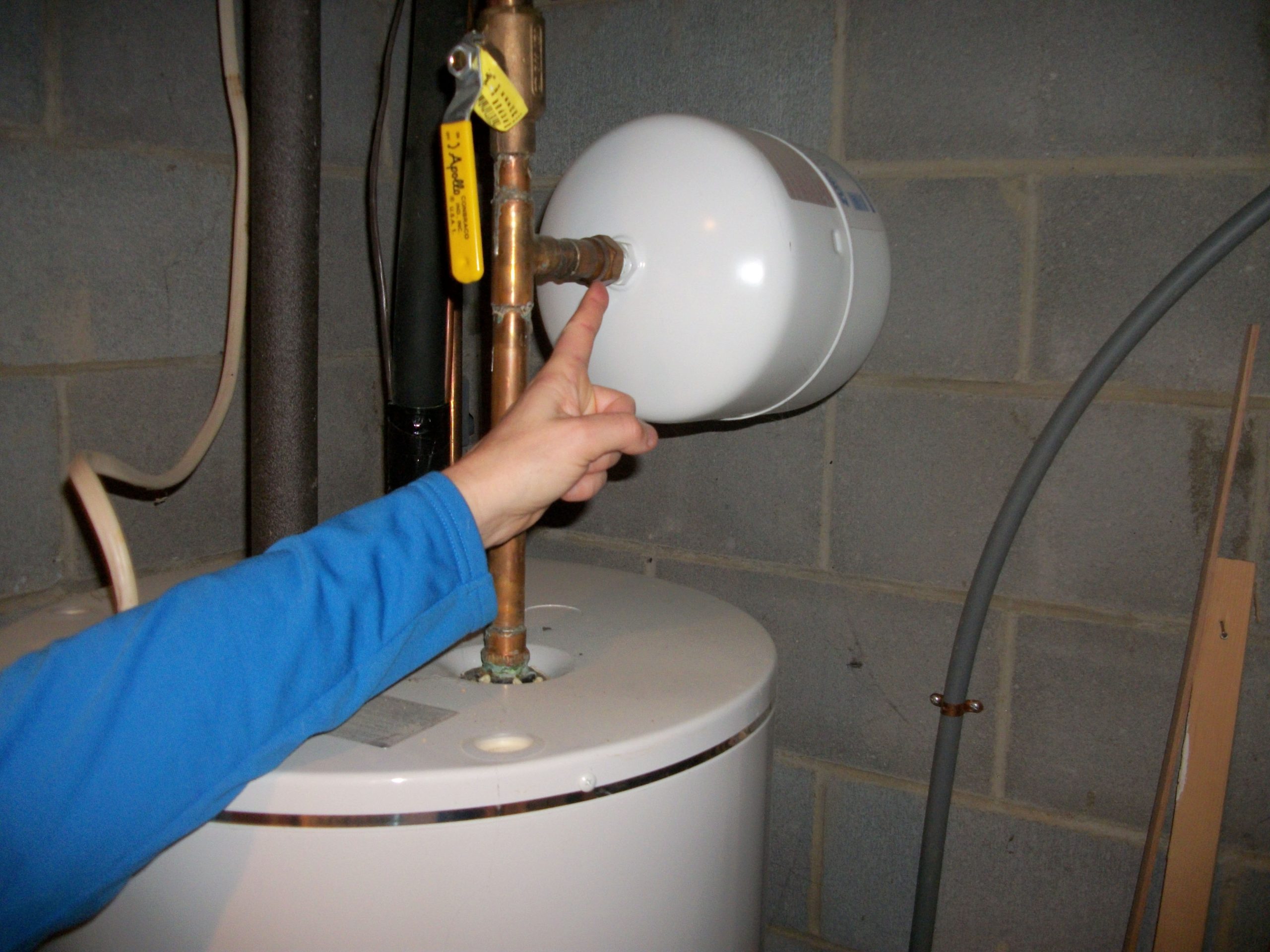
Also important: If your home has a PRV, a backflow preventer, a check valve, or even a water meter with an integral check, you may have a closed plumbing system. In closed systems, a working thermal expansion tank at the water heater is often required. Expansion issues can mimic or worsen banging and can show up as pressure spikes on a gauge.
Step 5: Add hammer arrestors
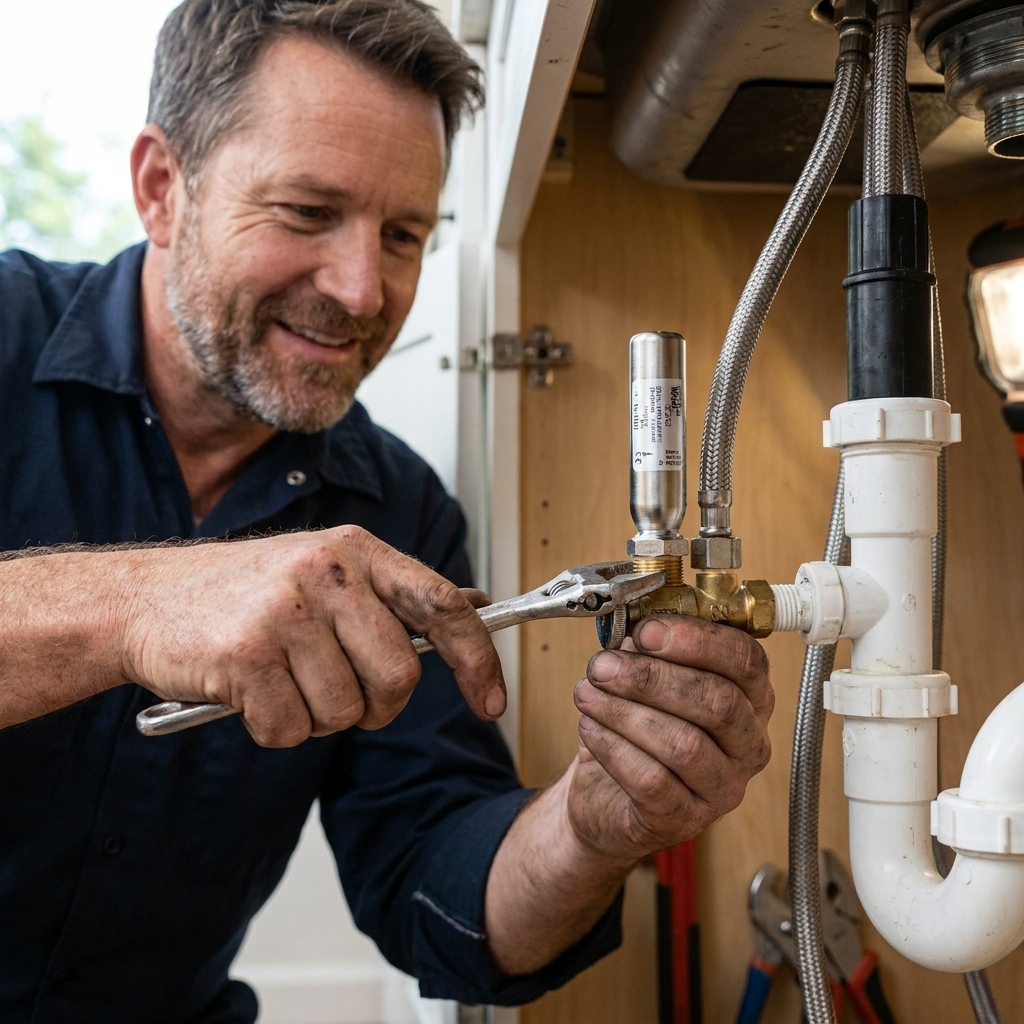
If draining helped only temporarily, or the banging happens at a fast-closing appliance valve, a water hammer arrestor is usually the best long-term solution. Arrestors contain a sealed air or gas chamber and a piston that absorbs the shock wave.
One quick note: some listings spell it arrester. You will see both. You want the same thing: a rated, engineered device meant for water hammer.
Where arrestors work best
- Washing machine: install on the hot and cold supplies at the laundry box, or at the washer hookups.
- Dishwasher: install on the hot supply under the kitchen sink (often easiest).
- Quick-closing faucets: install under the sink on the supply stop feeding that faucet.
Tip from the trenches: Put the arrestor as close to the fast-closing valve as you can. Installing one across the house sometimes helps, but it is not ideal.
What you will need
- Appropriate water hammer arrestor(s) (compression, threaded, push-to-connect, or washing machine hose thread style)
- Adjustable wrench or two
- Towel and small bucket
- Optional: plumber's tape (for threaded connections only, not compression)
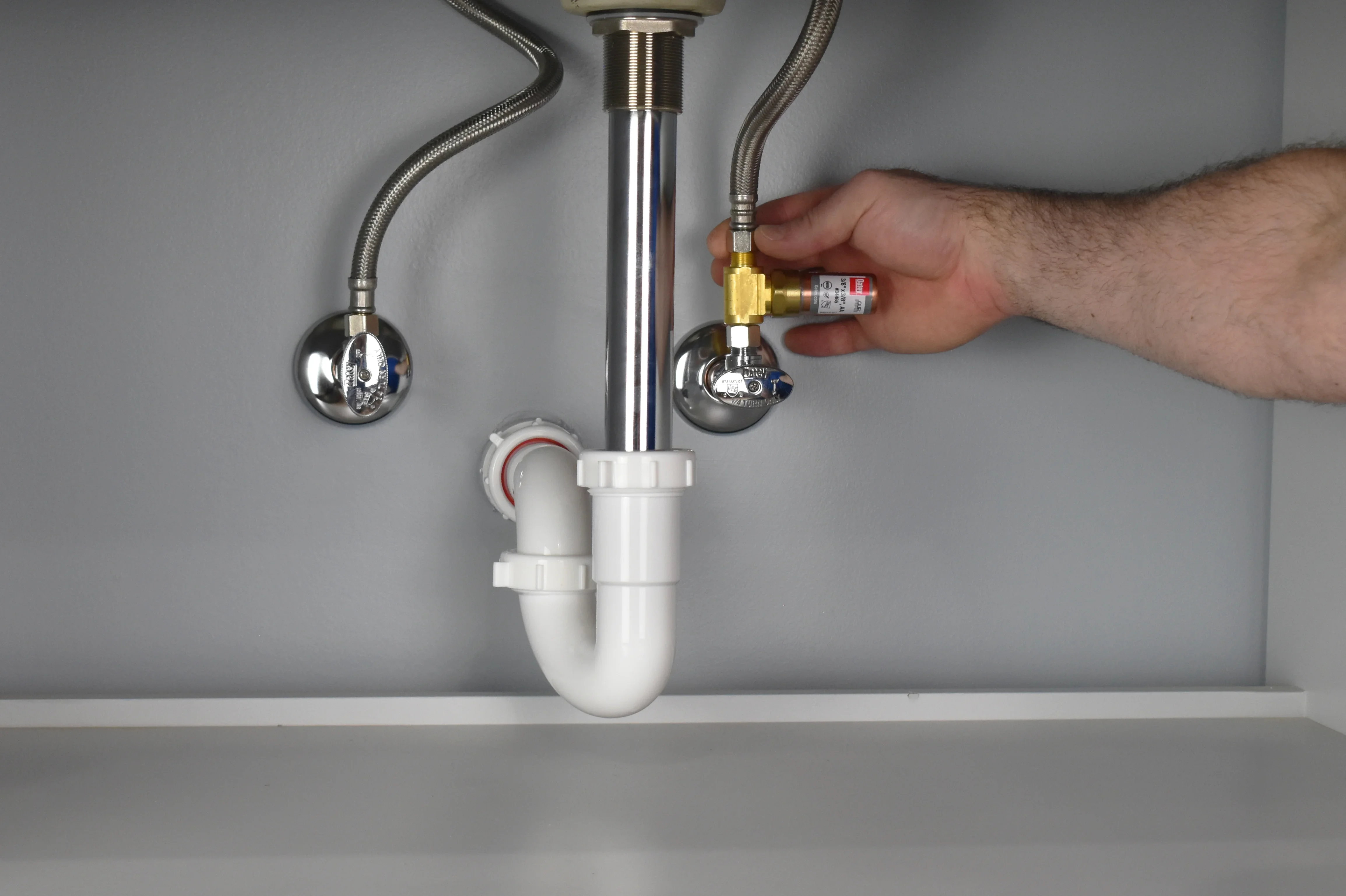
How to install an arrestor under a sink
- Turn off the water at the stop valve under the sink. If the stop will not shut off completely, turn off the main.
- Relieve pressure by opening the faucet.
- Place a towel and bucket under the connection.
- Disconnect the supply line from the stop valve.
- Install the arrestor between the stop valve and the supply line (most common) or per the manufacturer instructions.
- Hand tighten first, then snug with a wrench. Do not muscle it. Over-tightening causes leaks.
- Turn water back on and check for leaks with a dry paper towel.
- Test the fixture by running and shutting off water several times.
How to install arrestors on a washing machine
The easiest DIY option is a pair of hose-thread arrestors that screw right onto the hot and cold valves at the laundry box, then the hoses attach to the arrestors.
- Turn off hot and cold valves.
- Unscrew both hoses (have a towel ready).
- Screw on the arrestors (hand tight plus a small snug if needed).
- Reconnect hoses and turn valves back on.
Other fixes that help
Replace worn shutoff valves or cartridges
A failing valve can snap shut internally, exaggerating hammer. If the problem fixture also has poor flow, sticking handles, or inconsistent temperature, it may be time for a rebuild or replacement.
Toilets: fill valves and angle stops
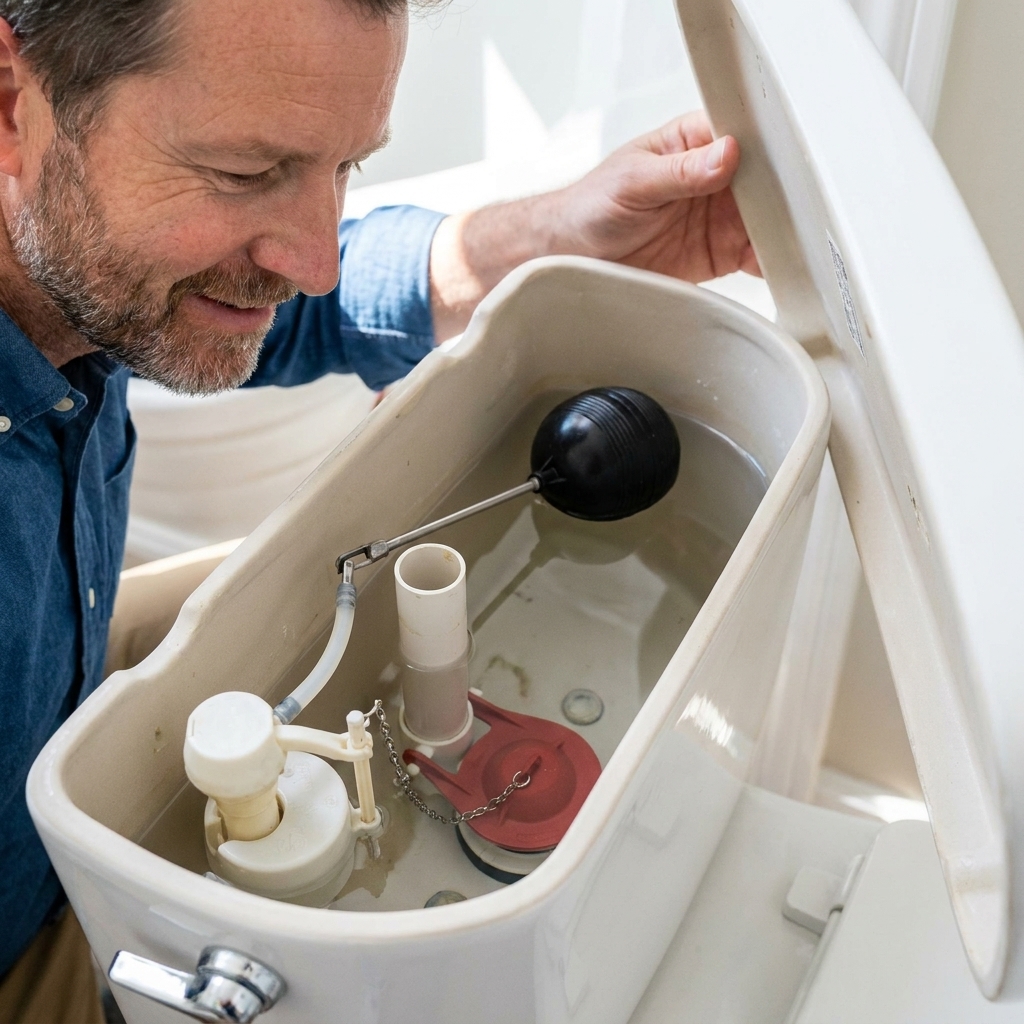
Toilets are frequent offenders. If banging happens right after the tank refills, the fill valve may be slamming shut, or high pressure may be making it worse. Replacing the fill valve is often a quick fix. Also check that the toilet angle stop is fully open and that the supply line is not vibrating against the wall or cabinet.
Laundry valves
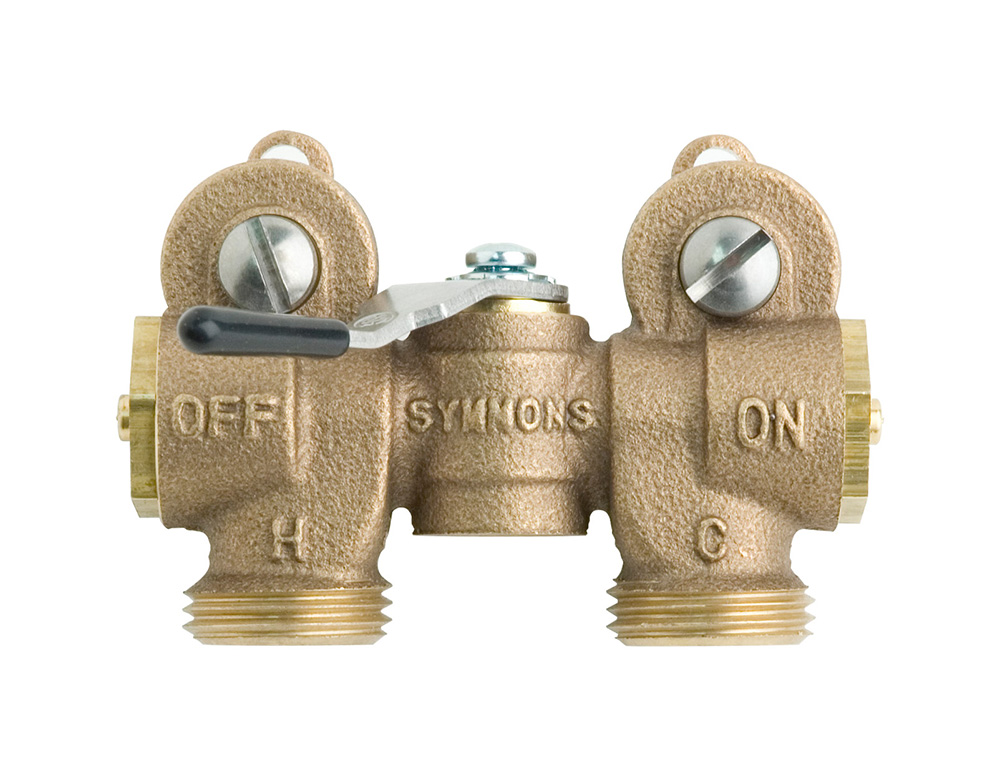
Many washer boxes use quarter-turn ball valves, which are reliable but fast. There are slow-closing options out there, but the most consistent solution is still hammer arrestors at the laundry box, plus reasonable pressure and solid pipe support.
Thermal expansion at the water heater
If banging happens after the water heater runs, or you hear random thumps when nobody is using water, do not skip expansion. In a closed system, a failed or waterlogged expansion tank can cause pressure swings and odd noises. A peak-reading pressure gauge can help confirm whether pressure is spiking before you start swapping parts.
Troubleshooting noises
| Noise | Most likely cause | Best first move |
|---|---|---|
| Single loud bang right at shutoff | Water hammer from a fast-closing valve | Install an arrestor close to the fixture |
| Rapid rattling or machine-gun tapping | Loose pipe or loose washer in a valve | Secure pipes, then inspect valves |
| Banging after toilet fills | Toilet fill valve slamming shut or high pressure | Test pressure, replace fill valve, confirm angle stop is fully open |
| Random thumps when no water is running | Thermal expansion or pressure fluctuation | Check for pressure spikes, then evaluate PRV and expansion tank |
FAQ
Is water hammer dangerous?
Usually it is not an emergency, but repeated hammering can stress joints, shutoff valves, and appliance hoses. If you can fix it, you should.
Do I need arrestors on both hot and cold?
For appliances like washing machines, yes, install on both. For a single fixture that only hammers on one side, you can start with the noisy side, but pairing them can help.
Will draining the system fix it permanently?
Sometimes, but often it is temporary. If the house has fast-closing valves, arrestors are the more reliable long-term solution.
Can I just lower water pressure and call it good?
If your pressure is high, lowering it helps a lot and protects the whole system. But a fast-closing valve can still hammer even at normal pressure, so you may still need arrestors and better pipe support.
My order of operations
If you want the quickest path with the fewest wasted steps, here is what I recommend:
- Identify the culprit fixture (often the washer or a toilet).
- Drain the system and retest.
- Secure any accessible loose pipes.
- Test water pressure and correct if high (and watch for spikes).
- Install water hammer arrestors right at the offending valve(s).
Do those five things and there is a very good chance you will get your quiet house back, without paying a service call for what is usually a Saturday morning fix.