A humming garbage disposal is usually a good sign and a bad sign at the same time. Good: it often indicates the unit is getting power. Bad: something is stopping the flywheel (the spinning turntable inside) from turning, so the motor just sits there and complains.
The fix is often straightforward: cut power, manually free the jam with the correct Allen wrench, clear whatever is stuck, then reset the motor. I have done this more times than I care to admit, including once after I “briefly” lost a spoon in the sink while talking to my kid. Let’s get yours spinning again.
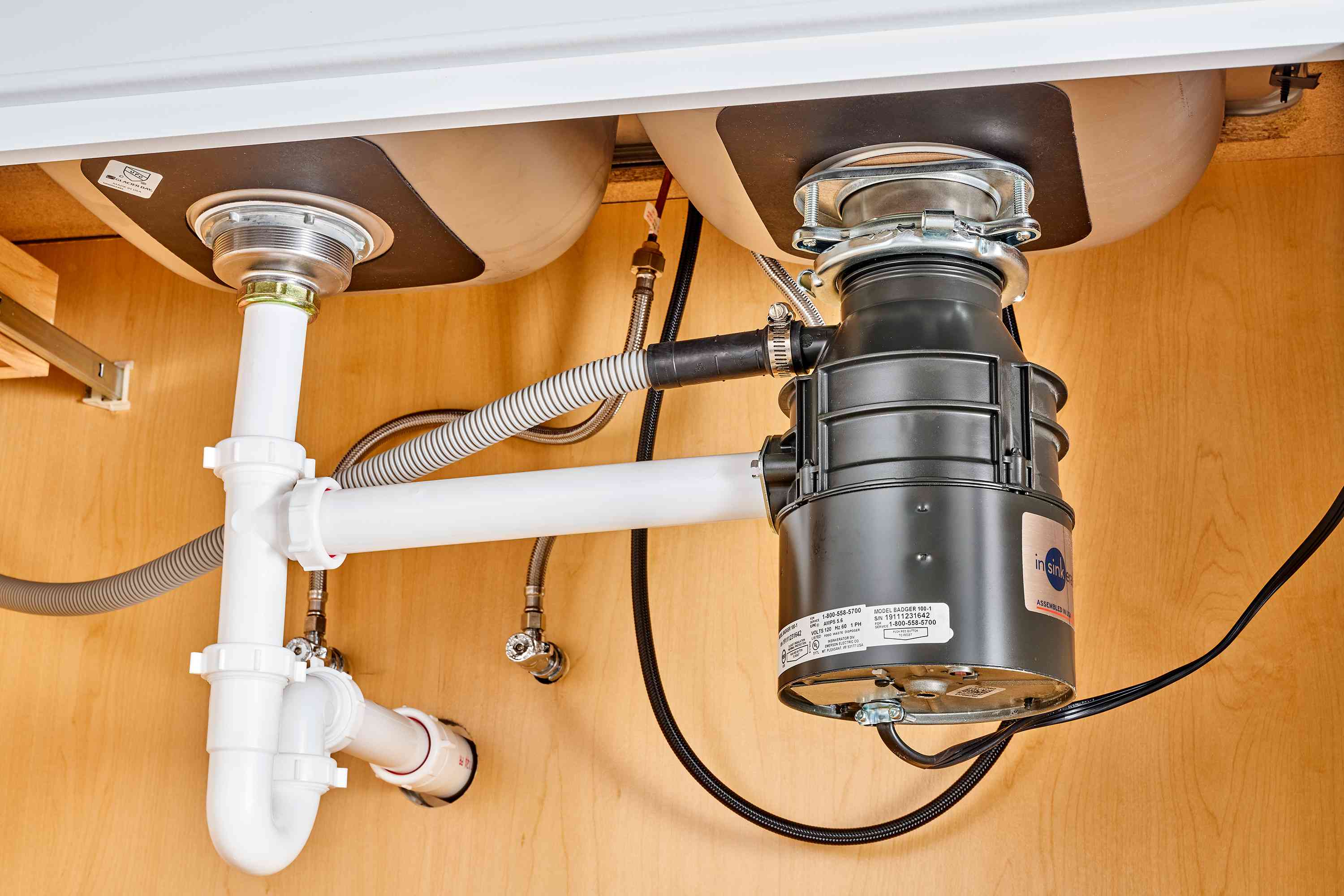
What humming means
When a disposal hums but does not spin, one of these is almost always happening:
- Mechanical jam: A hard object (bone, fruit pit, utensil, twist tie, glass) is wedged between the impellers and the grind ring.
- Stuck flywheel: Food paste or fibrous debris (celery, onion skins, potato peels) has stalled the flywheel.
- Overload trip: The motor overheated or stalled long enough to trip its internal protector. Most units have a reset button on the bottom.
- Electrical issue: Less common when it hums, but low voltage, a failing start capacitor, or a failing motor can hum without developing enough torque to start.
In this guide, we will handle the common stuff: jam removal and reset. If you do these steps and it still will not run, jump to the “When to stop and call it” section near the end.
Safety steps
I know, I know. You just want it fixed. But a disposal can start turning the instant a jam frees up. Treat it like a blender with teeth.
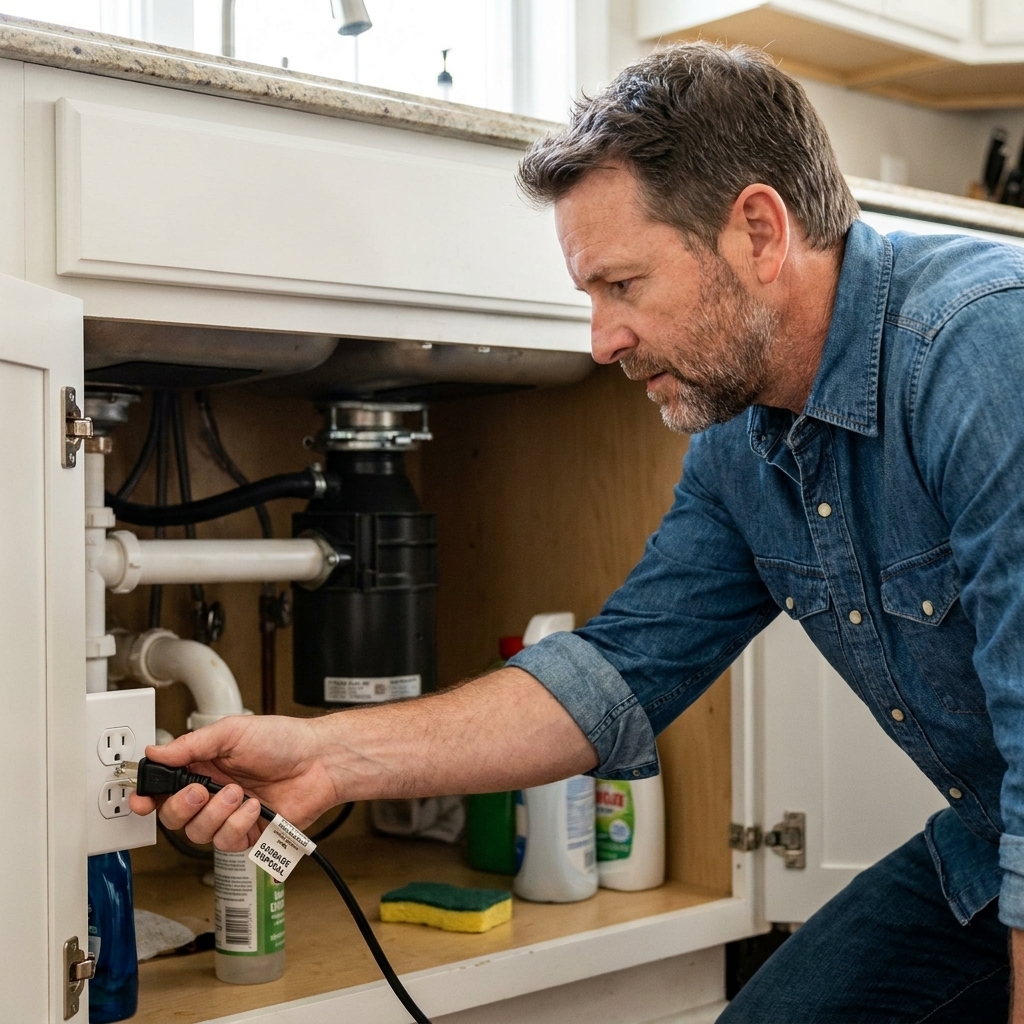
- Turn it off at the switch and unplug it under the sink if it is plug-in.
- If it is hardwired (no plug), switch off the breaker that feeds the disposal.
- Confirm it is off: with your hands clear and nothing in the chamber, flip the wall switch on briefly. You should hear nothing.
- Never put your hand inside the disposal. Use tongs or pliers if you need to retrieve something.
Tools you will need
- Allen wrench (many disposals use 1/4 inch, some use 5/16 inch, but check your manual)
- Flashlight
- Tongs or needle-nose pliers
- Small brush (old toothbrush works)
- Optional: a disposal jam-buster wrench (fits from above on some models)
Pro tip: Many disposals come with a little Allen key that clips to the side of the unit or a nearby cabinet wall. If you find it, congratulations. You are already more organized than I am.
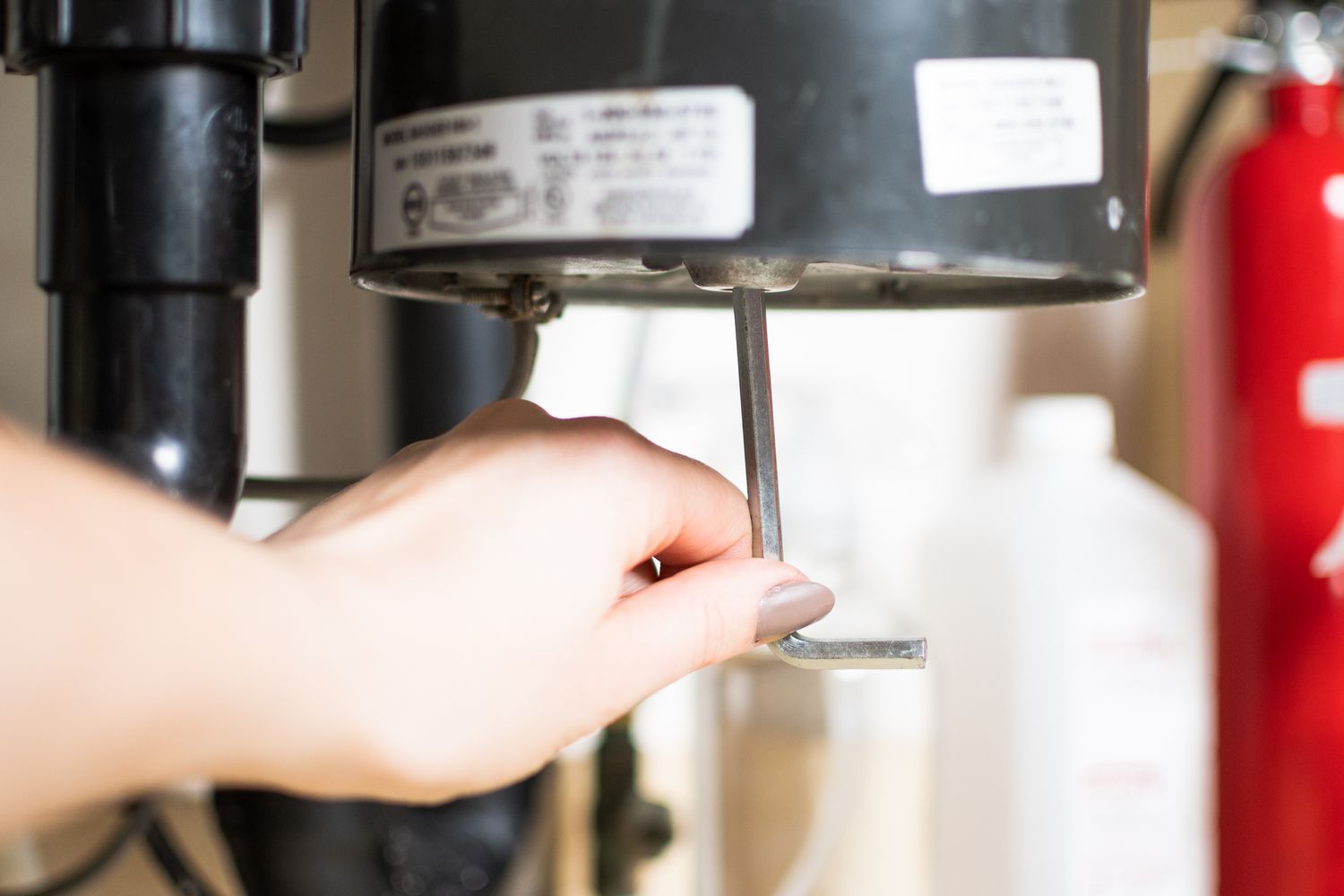
Unjam it with an Allen wrench
1) Check inside and remove debris
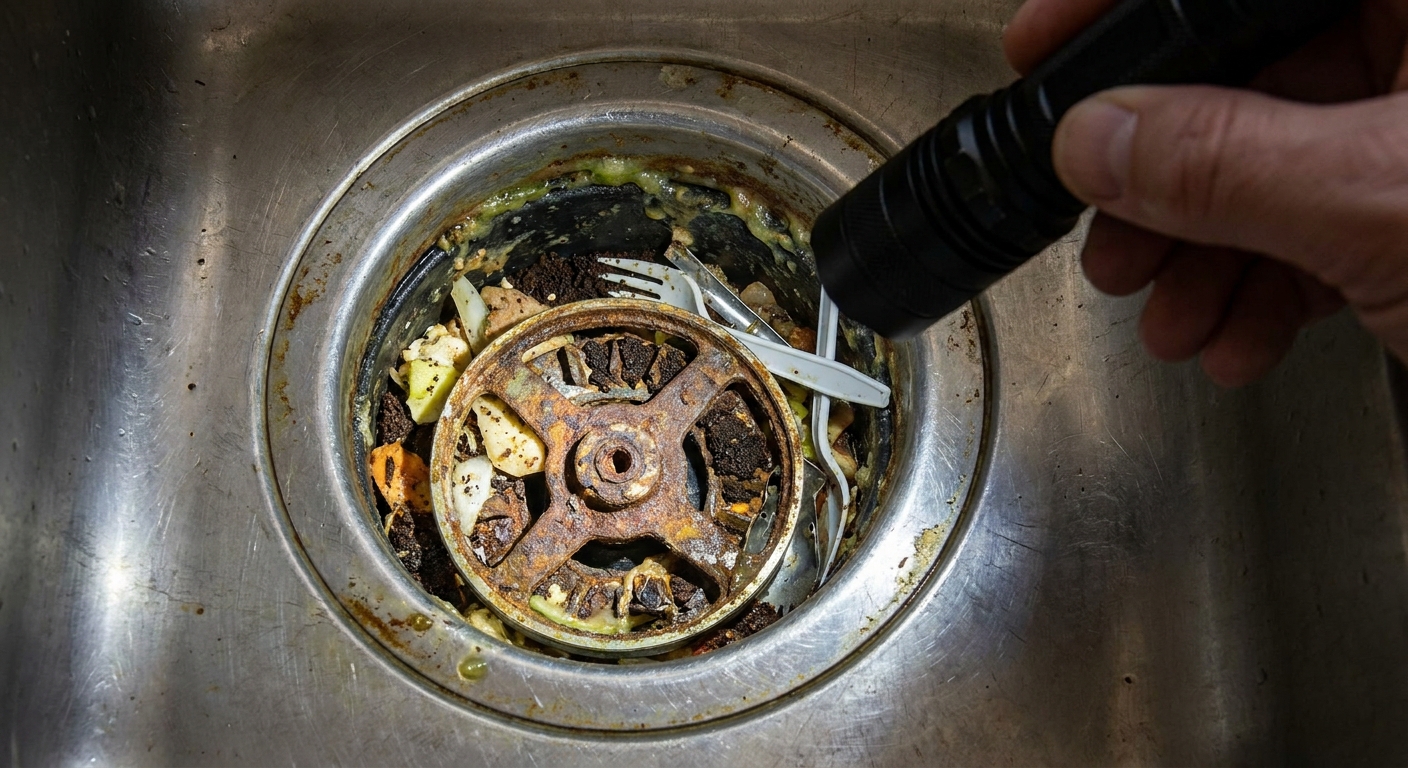
With the power off, shine a flashlight into the disposal opening. If you see a fork, bottle cap, or a chunk of something hard, grab it with tongs or pliers and pull it out.
- Remove the rubber splash guard if yours lifts out easily. Some are fixed, so just work around it.
- If you see glass, be extra cautious. Better to fish it out with tongs than “feel around.”
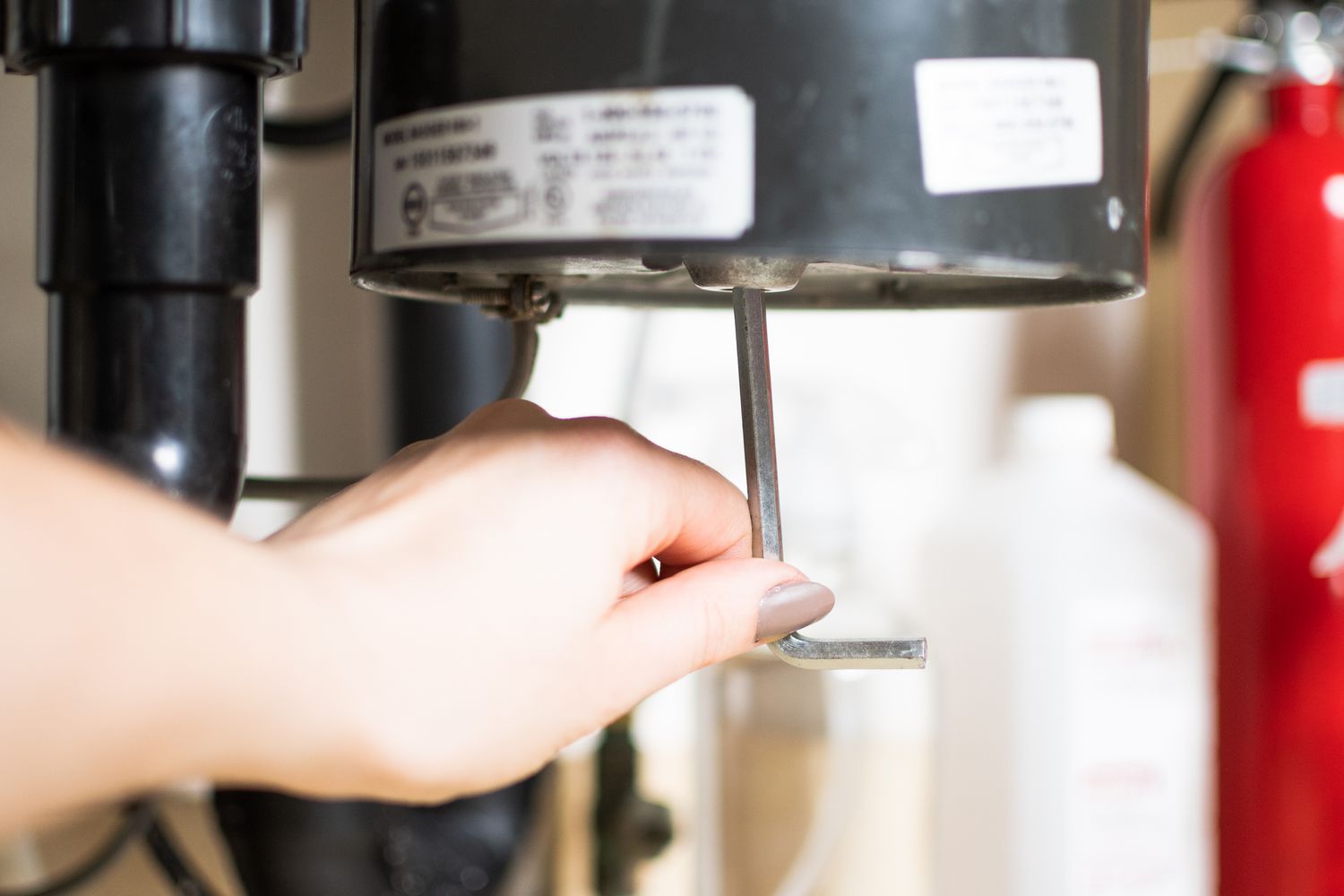
2) Find the hex socket on the bottom
Crawl under the sink and look at the very bottom of the disposal. Most units have a recessed hex socket dead center.
No hex socket? Some models do not have one. Use the top-side jam tool method (below) if your model supports it. If you have neither a hex socket nor a compatible top engagement point, you are limited to removing visible debris, pressing reset, and testing. If it still hums, it is likely time for service or replacement.
3) Turn the wrench back and forth
Insert the Allen wrench fully into the socket. Then:
- Turn it firmly back and forth. Do not just crank one direction like you are trying to break a lug nut loose.
- If it will not move at first, keep steady pressure and rock it the other way. You are trying to un-wedge the impellers.
- Continue until it spins freely in both directions.
You may feel a “pop” when the jam releases. That is what you want.
If it will not budge with reasonable force, stop. Forcing it can round out the hex socket or strip the tool. If the socket is already rounded, a top-side jam tool (if compatible) or a service call is often the next step.
4) Check again and remove the culprit
Go back up top and look inside with the flashlight. Often the jam source is now loose or visible.
- Use tongs or pliers to remove it.
- Brush away trapped gunk around the edges if needed.
If you cannot find the culprit but the flywheel now turns freely, that is okay. It may have been food debris that broke apart.
Reset the motor
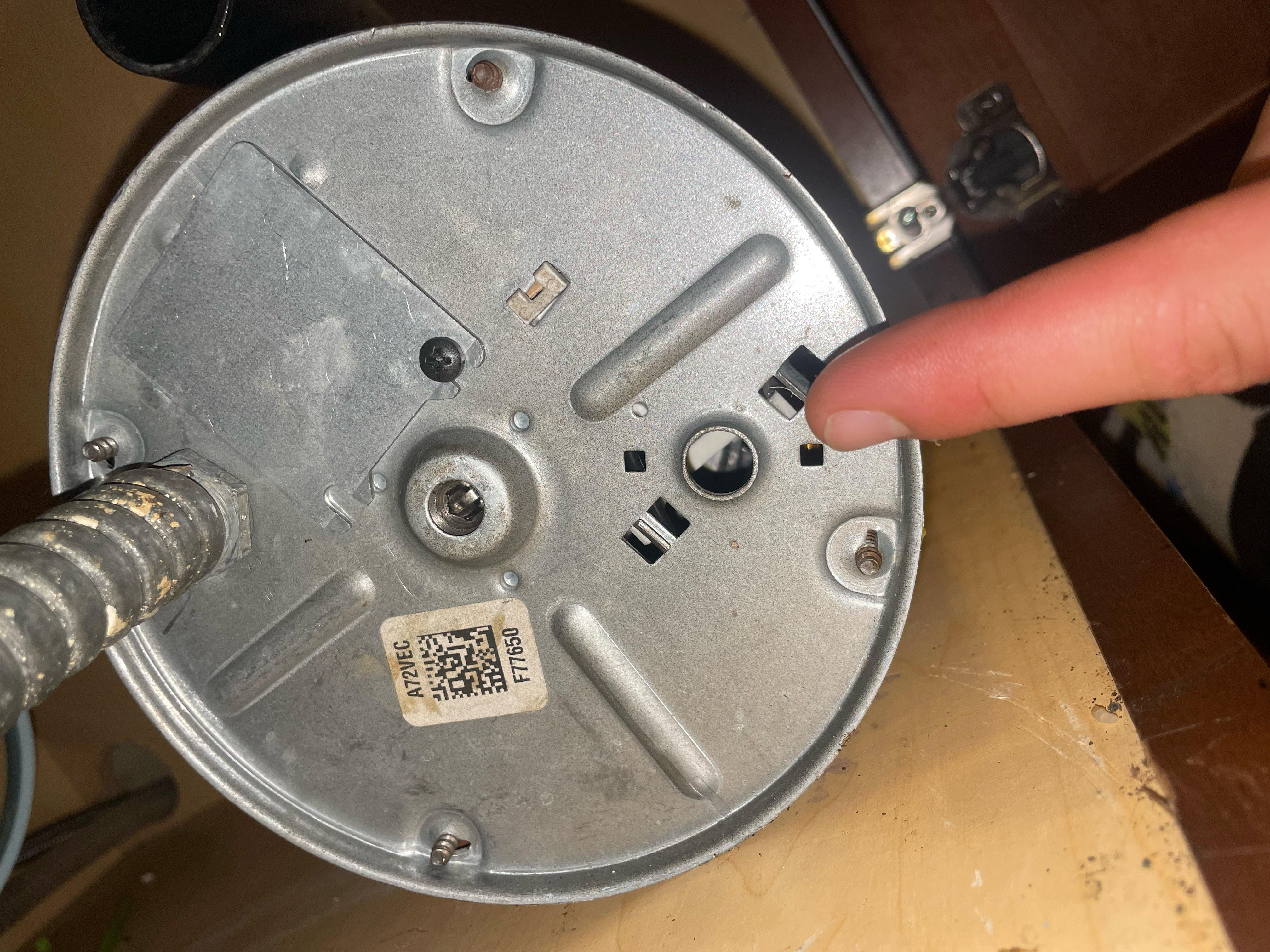
Most disposals have a small reset button on the bottom. If the motor stalls and overheats, it trips, and the disposal may hum or go completely silent until it cools and is reset.
- Make sure the jam is cleared and the flywheel turns freely with the Allen wrench.
- Press the reset button. It usually clicks and stays in.
- Restore power: plug it back in or turn the breaker back on.
- Run cold water, then flip the switch for 1 to 2 seconds. If it spins, let it run for 10 to 15 seconds with water.
If it hums again: turn it off immediately. That means it is still jammed or the motor is failing. Do not keep trying. Repeated humming while stalled can overheat the motor.
No Allen socket? Use a top jam tool
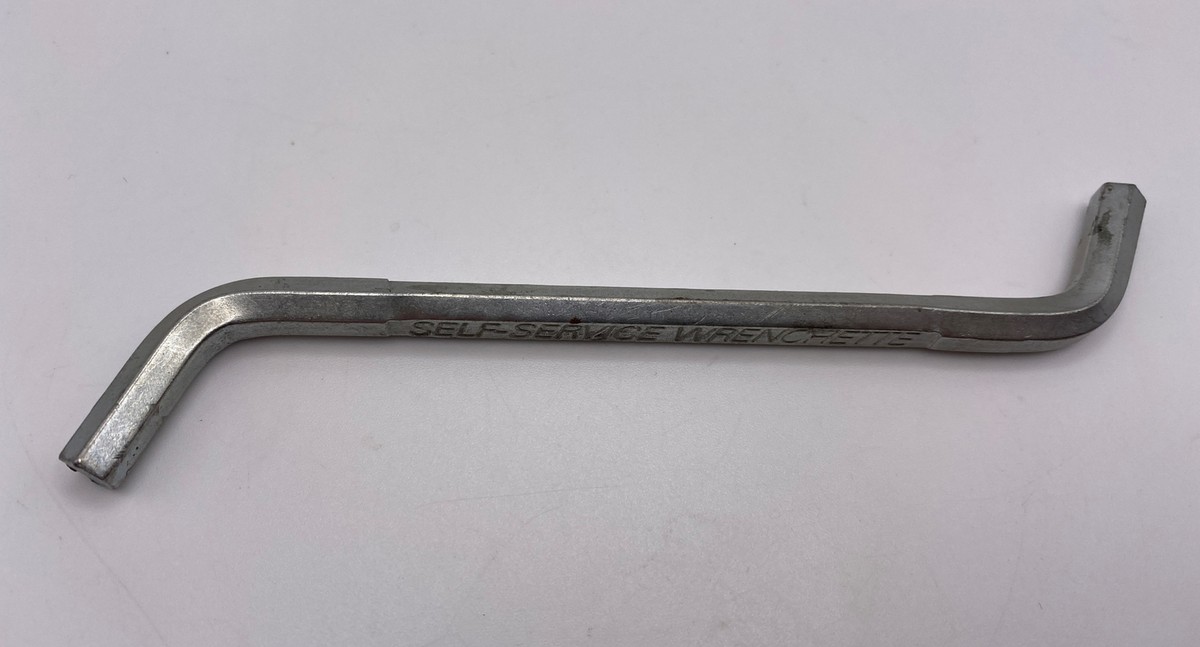
Some disposals can be freed from above using a jam-buster tool that engages the turning lugs inside the disposal.
- Power off and confirm it is off.
- Insert the jam tool into the disposal opening and seat it onto the turning lugs.
- Rock it back and forth until it turns freely.
- Remove debris with tongs, then reset and test.
If your unit has neither a bottom hex socket nor top engagement points, your best bet is to remove debris you can see, reset, and test. If it still hums and will not spin, it is time to consider replacement or a service call.
Common jam culprits
- Utensils: Always check the sink before you flip the switch. Ask me how I learned that.
- Fruit pits and bones: Toss in the trash, not the disposal.
- Fibrous foods (celery, corn husks, onion skins): These wrap around the impellers. Compost or trash them.
- Starchy peels (potato): They turn into paste and bog things down. Feed slowly with lots of water.
- Grease: It coats everything and traps debris. Keep it out of the drain.
Best habit: run cold water, feed small amounts, and keep the disposal running a few seconds after the last bits clear to flush the line.
After you unjam it
It spins now, but it is loud
- Likely you still have a small hard object bouncing around. Power off and check again with a flashlight and tongs.
- Also verify the rubber splash guard is seated properly if it is removable.
It spins, but drains slowly
- You may have a partial clog in the trap or branch drain, especially if the jam involved starchy food.
- Try running plenty of cold water while the disposal runs for 20 to 30 seconds.
- Do not use chemical drain cleaners in a sink with a disposal. They are corrosive, can damage plumbing and the disposer, and create a hazard if you end up opening the trap.
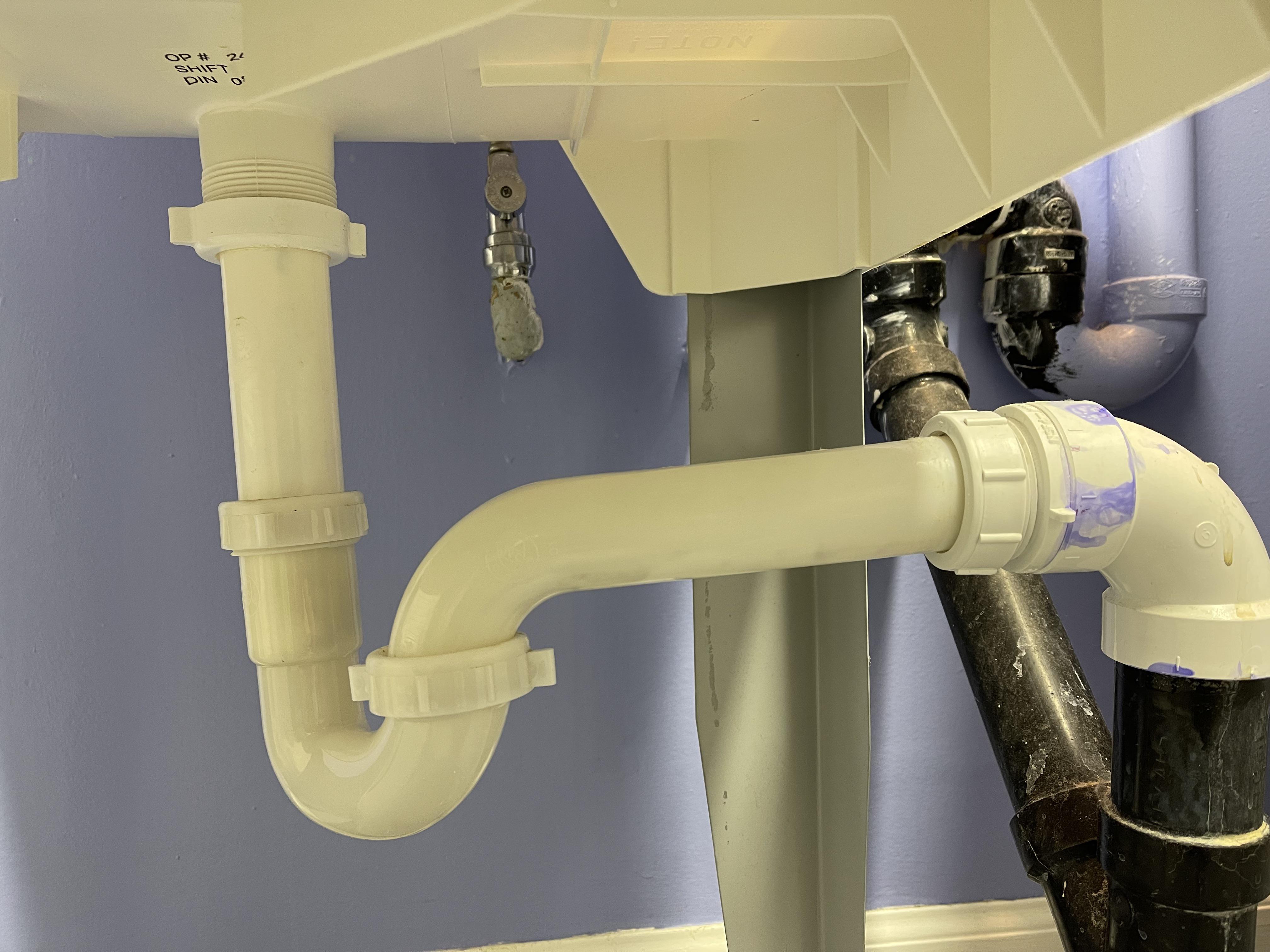
- If it still backs up, the next step is usually cleaning the P-trap or snaking the line, not forcing the disposal.
It still only hums after freeing it and pressing reset
- Double-check that the flywheel truly turns freely with the Allen wrench.
- Verify power: try a lamp in the outlet (plug-in units), check the breaker, and reset any GFCI outlet that might be feeding the disposal.
- If power is good and it will not start, the start capacitor or motor windings may be failing. At that point, replacement is often the practical move.
When to stop and call it
I am all for DIY, but there are times it is smarter to step back.
- Burning smell or smoke
- Repeated trips of the reset button even after clearing jams
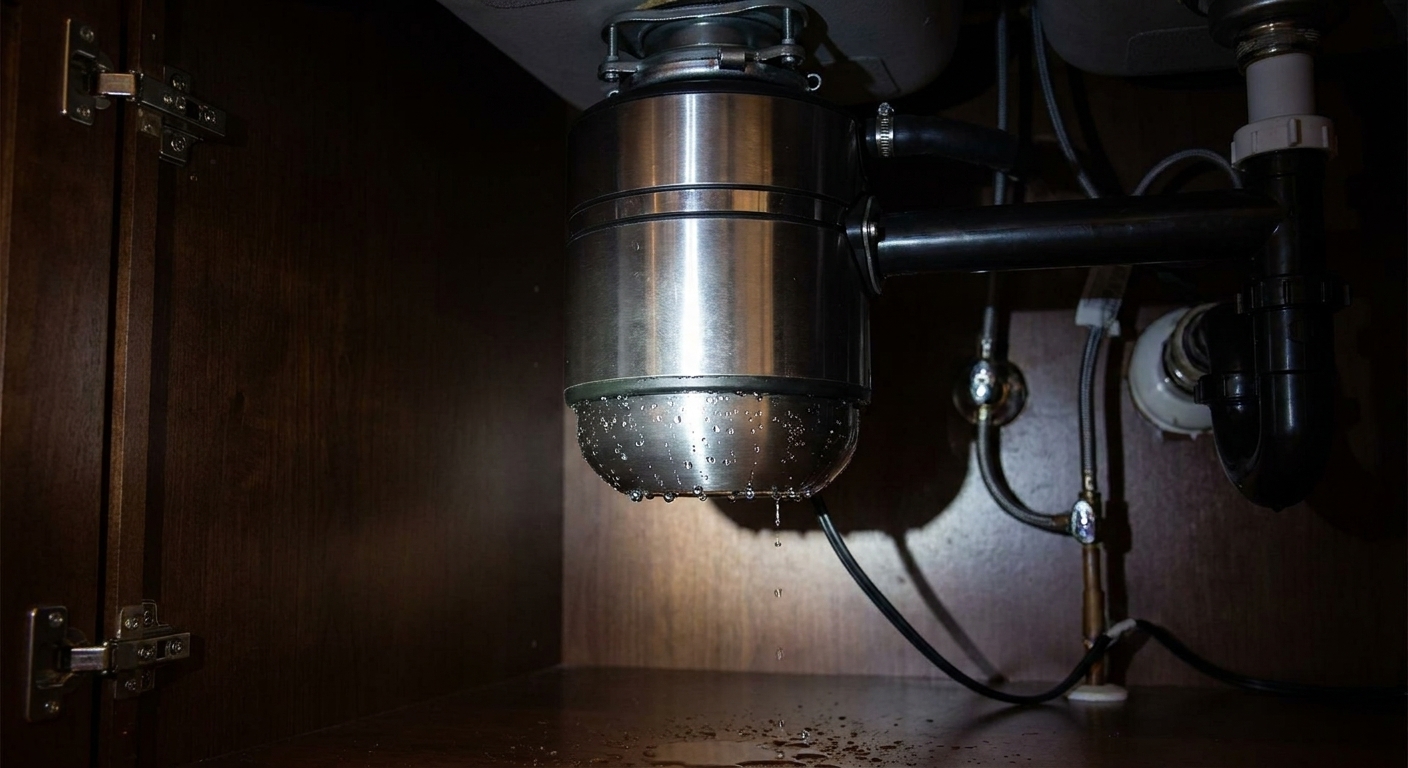
- Leak from the bottom housing (often a failed seal, usually not worth repairing)
- Humming with a free-spinning flywheel and confirmed power
- Cracked disposer body or corrosion holes
If your unit is older and acting up like this, replacement can be cheaper than paying for diagnosis plus parts. But if it is new, check the warranty before you toss it.
FAQ
Is it okay to press reset while it is humming?
No. Turn the switch off first. If it is humming, the motor is stalled and heating up. Clear the jam, then press reset.
Can I use a broom handle to unjam it from above?
You can use a wooden handle to nudge the flywheel, but it is not as controlled as the Allen-wrench method. If your unit has the bottom hex socket, that is the safest, most direct approach.
Why cold water and not hot?
Cold water helps keep fats more solid so they are more likely to move through in small pieces instead of smearing and coating the pipe. It also helps flush debris down the line. Hot water can liquefy grease and encourage it to travel into the plumbing, where it can later re-solidify and cause problems.
My disposal has power but makes no sound at all. Is that the same problem?
Usually not. No sound often points to a tripped breaker, a tripped GFCI, a bad switch, loose wiring, or a dead unit. Start with power checks, then the reset button, then consider electrical troubleshooting.
Quick recap
- Humming usually means jam or overload, and it often indicates the unit is getting power.
- Cut power, remove debris with tongs, then free the flywheel with an Allen wrench.
- Press reset, restore power, and test with cold water running.
- If it still hums with a free-spinning flywheel and confirmed power, it is likely a motor, capacitor, or voltage issue.
Once you have done this repair once, it stops being intimidating. It is basically a ten-minute job, assuming your disposal did not eat a teaspoon and demand a ransom.