Nothing kills the post-dinner momentum like opening the dishwasher and finding a little swimming pool at the bottom. I have been there. The good news is most “won’t drain” situations are simple, and you can troubleshoot them in a safe order without tearing the whole machine apart.
This guide starts where the gunk lives (the filter and sump), then moves outward to the drain path: the drain hose high loop or air gap, the garbage disposal knockout plug that gets forgotten all the time, and finally the drain pump if everything else checks out.
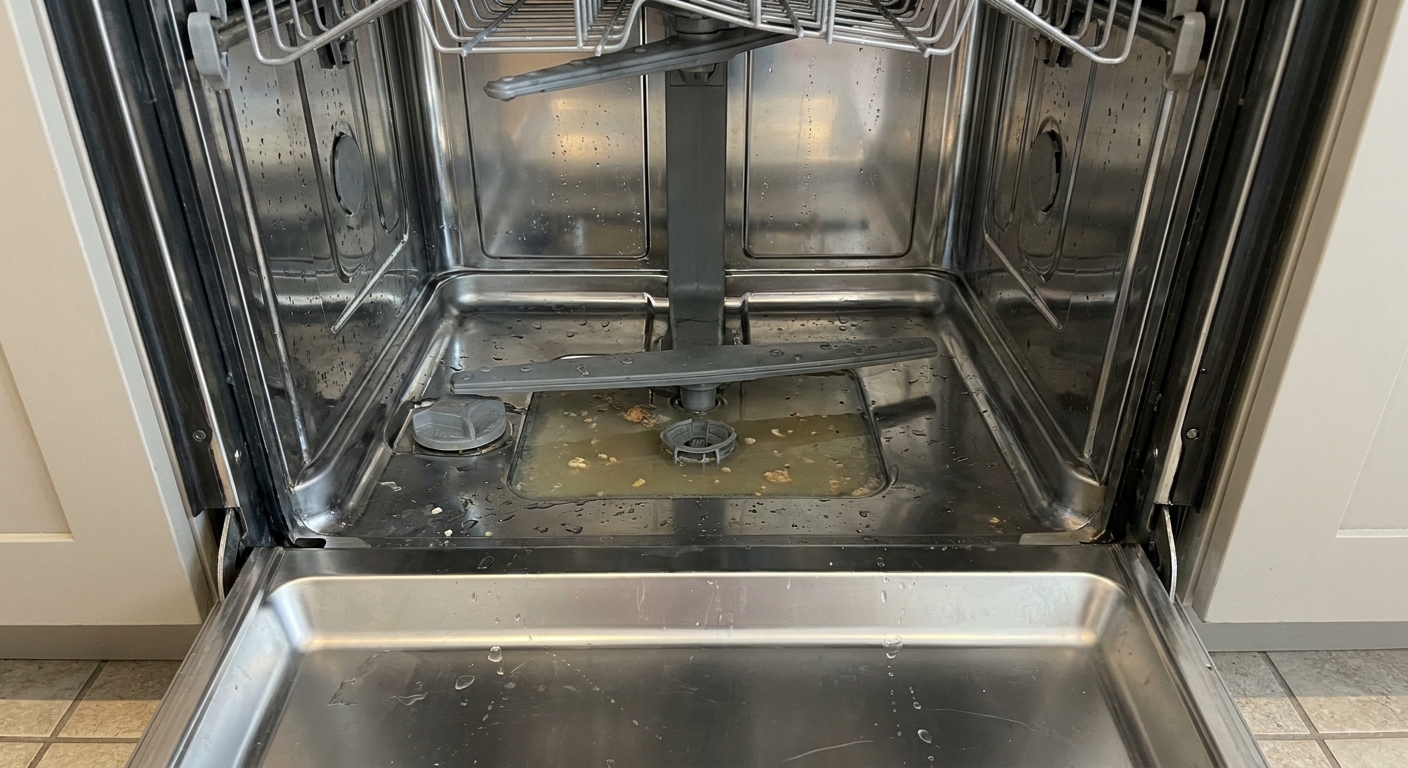
First: Is the water actually a problem?
Before you grab tools, check the amount of water and where it is sitting. Many dishwashers leave a small amount of water around the filter and sump area. That can be normal because of how the sump is shaped and how the check valve and drain path are designed.
Usually normal
- A teaspoon to a couple tablespoons of relatively clean water in the low spot near the filter or sump.
- The rest of the tub bottom looks mostly dry, with only wet surfaces and a few droplets.
Usually a real drain issue
- Water covering the entire tub floor or reaching the heating element area.
- Cloudy water with food bits, or a noticeable odor.
- Dishes are mostly clean but the bottom is full of dirty water at the end.
- You hear water sloshing when you pull the racks out.
If you are seeing the “real issue” signs, start with the steps below. If it is just a tiny puddle by the filter, you can likely stop here and save yourself an afternoon.
Safety and tools
Dishwashers combine water and electricity in a way that demands respect. Keep it simple and safe.
Safety basics
- Turn off power at the breaker before reaching near wiring or removing panels.
- If you will disconnect hoses, turn off the water supply under the sink or at the dishwasher shutoff.
- Have towels ready. Even “dry” dishwashers find a way to spill water onto socks.
Tools and supplies
- Work gloves
- Old towels or a shallow pan
- Sponge or turkey baster for scooping water
- Phillips screwdriver
- Needle-nose pliers (helpful for hose clamps)
- Flashlight
- Small brush (old toothbrush works)
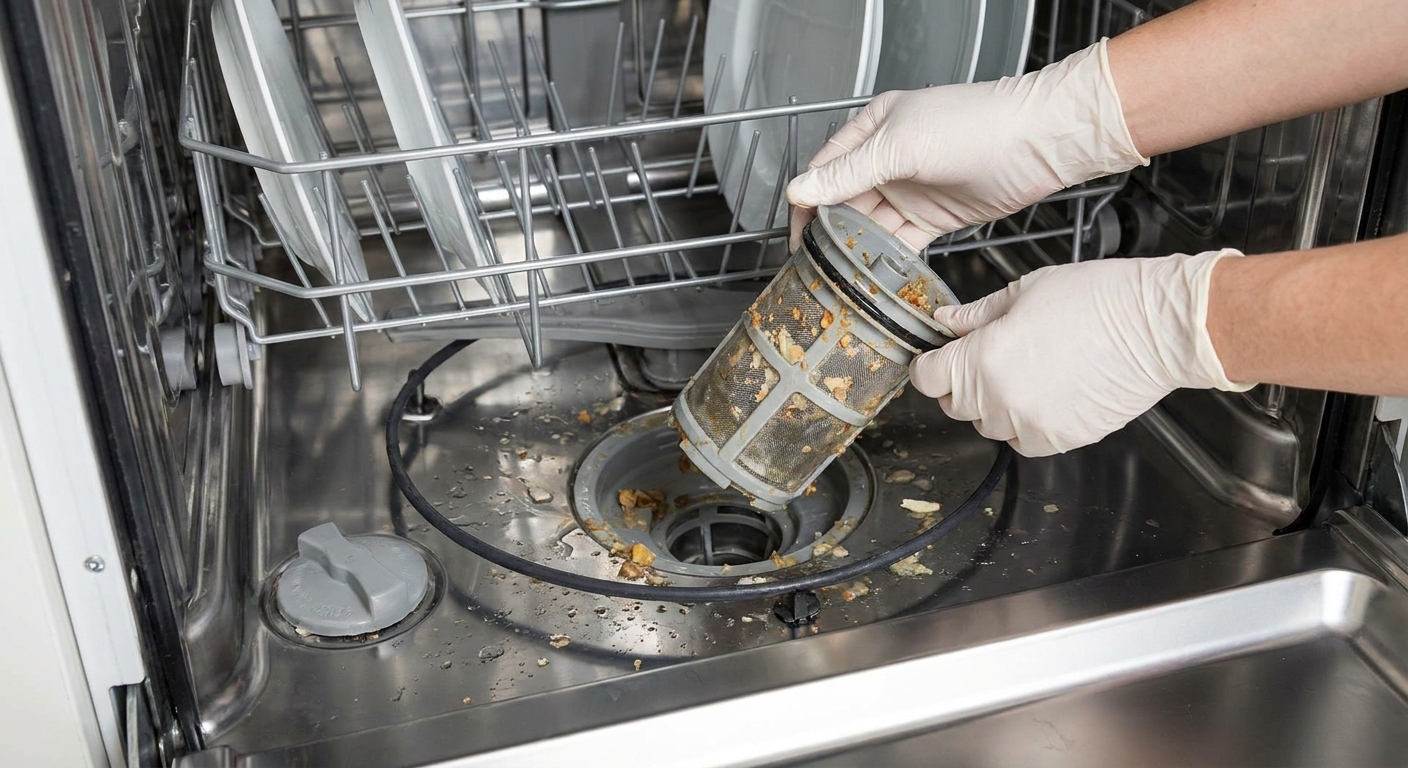
Step 1: Clean the filter and sump
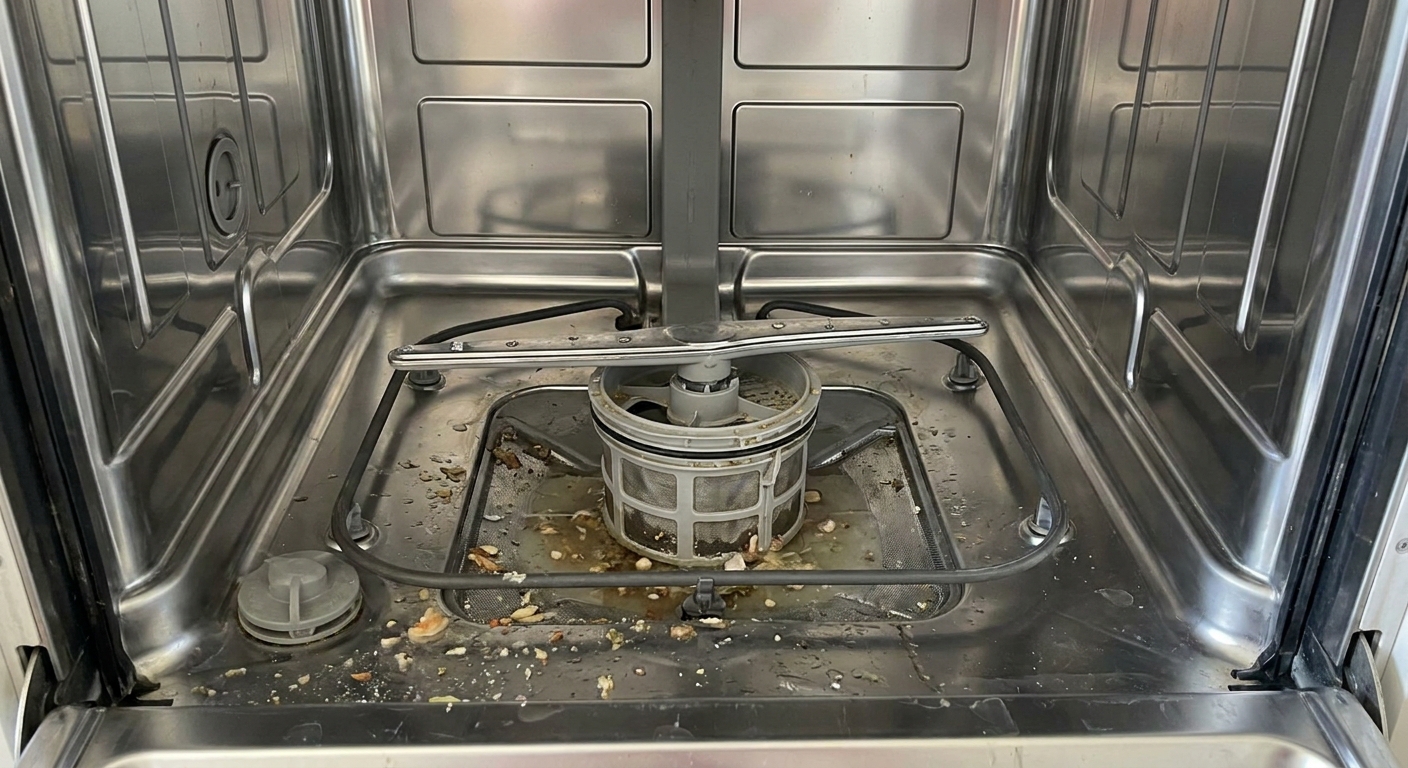
If I only had time to check one thing for standing water, it would be the filter area. A clogged filter and debris in the sump can choke the drain right at the source.
How to do it
- Pull out the bottom rack. Set it aside.
- Remove the filter. Many twist and lift out. Some have a mesh screen underneath too.
- Wash the filter in the sink with hot water and a little dish soap. Use a brush to get grease out of the mesh.
- Inspect the sump opening where the filter sits. Pick out debris like glass bits, labels, bones, or seeds.
- Check the impeller area if accessible. Some models have a small cover you can remove to look for obstructions. Do not force anything.
What you are looking for: anything that could block water from reaching the drain pump intake. I once pulled a blueberry sticker out of a sump that was acting like a tiny check valve. It would drain sometimes, then “mysteriously” not drain other times.
Reinstall the filter firmly. A loose or mis-seated filter can cause poor draining and noisy operation.
Quick test
Restore power and run a short rinse cycle. Then use your dishwasher’s cancel and drain function to force a drain. The exact button sequence varies by brand, so check your control panel labels or your manual for your model’s drain command.
What should happen: you should hear a steady drain sound and see water moving into the sink drain or disposal. Many machines evacuate most tub water in about a minute or two, but timing varies.
If the water still sits there, move on.
Step 2: Check the high loop or air gap
After the dishwasher, the next most common culprit is the drain path under the sink. Two big things matter here: the hose routing and any blockage in the hose or air gap.
High loop basics
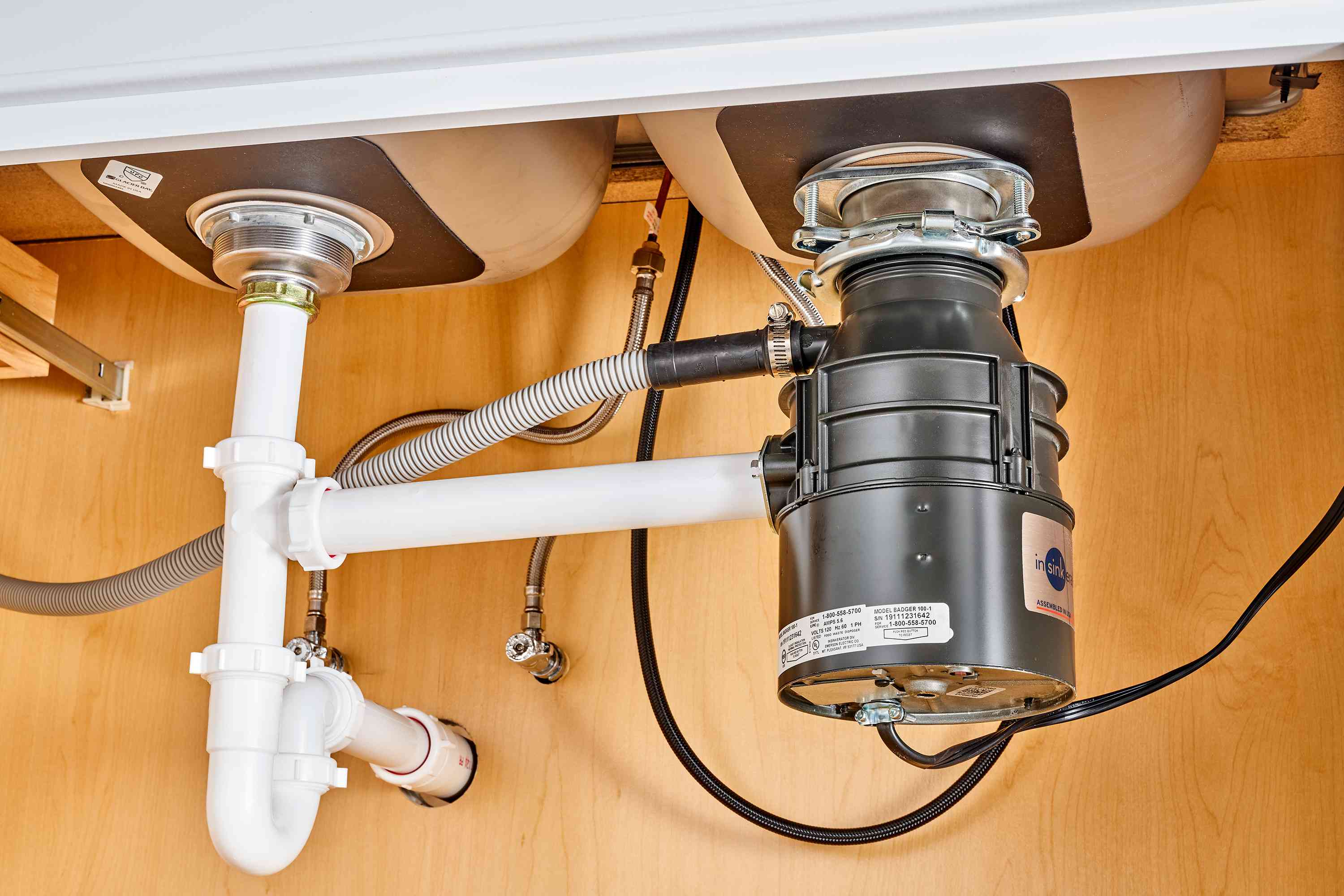
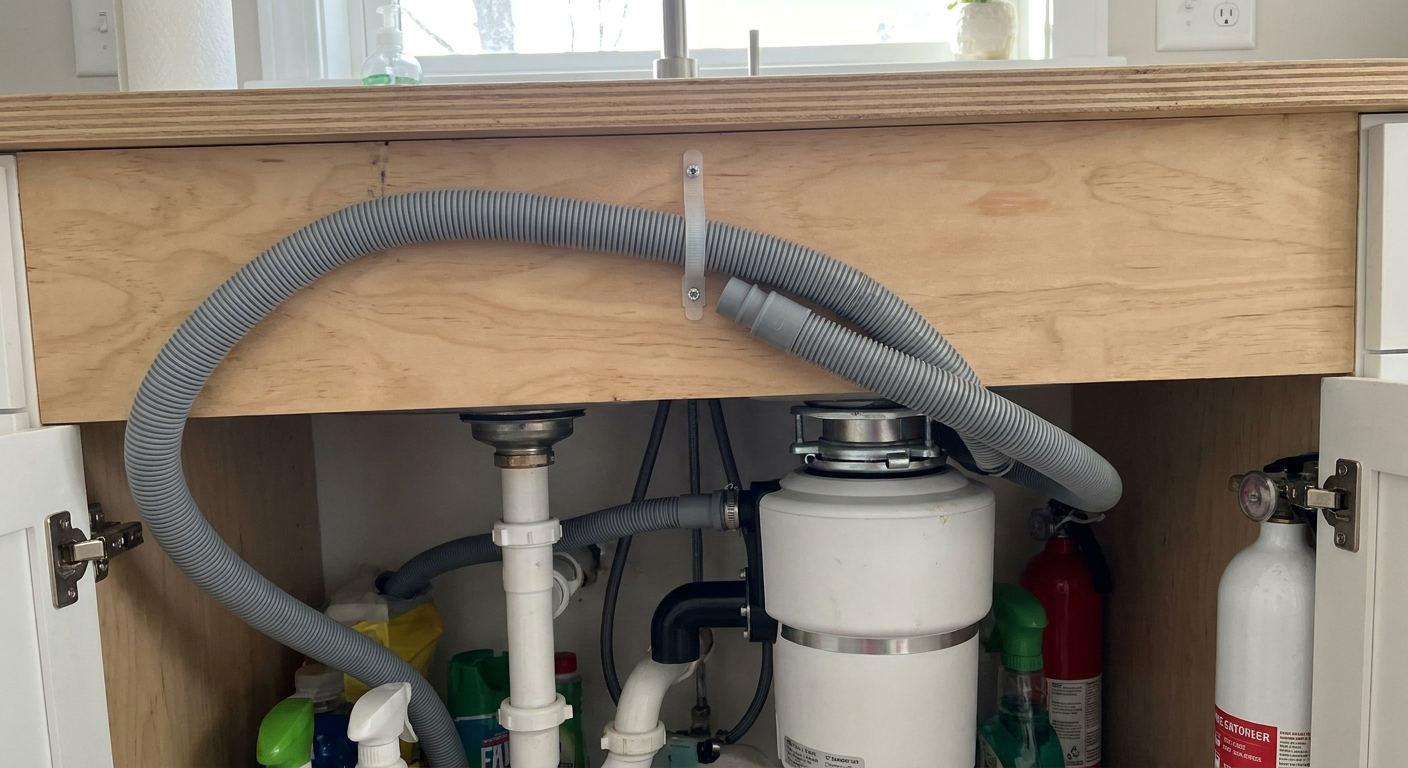
The drain hose should rise up high under the sink cabinet before dropping down to the disposal or sink drain. This “high loop” helps prevent dirty sink water from flowing back into the dishwasher. When backflow happens, it can look exactly like a draining failure even if the pump did its job.
- The top of the loop should be up near the underside of the countertop.
- It is usually held up with a strap, clip, or zip tie.
If you have an air gap
Some setups use an air gap on the countertop or sink deck, usually a small metal or plastic cylinder next to the faucet. If it clogs, the dishwasher may not drain or it may spit water into the air gap.
- Twist off the air gap cap.
- Remove the inner cover if present.
- Clean out gunk with a small brush.
- Check the hose from air gap to disposal or sink drain for clogs or kinks.
Step 3: Check the sink and disposal
This one is easy to overlook: your dishwasher can only drain as well as the plumbing it drains into.
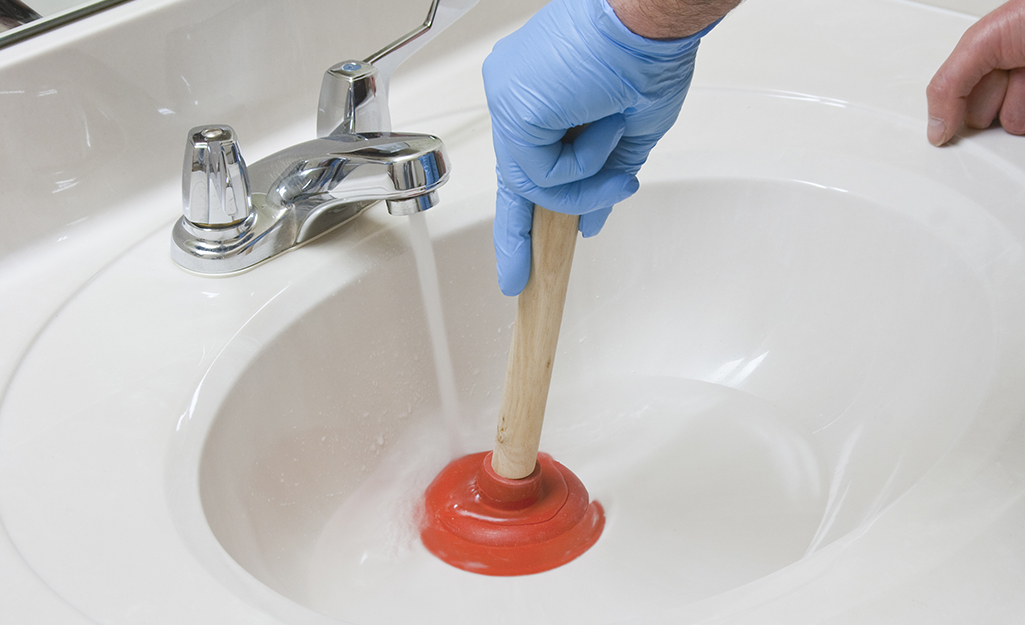
- Run water in the sink and make sure it drains quickly.
- If you have a disposal, run it (with water) and confirm it is not packed up.
What should happen: if the sink is slow or backing up, the dishwasher discharge can stall or come right back toward the dishwasher. Clear the sink drain issue first, then re-test the dishwasher drain.
Step 4: Remove a disposal knockout plug
If your dishwasher drains into a garbage disposal and the disposal is new, there is one classic mistake that creates instant standing water: the knockout plug was never removed.
This is so common that I half-joke it should come with a warning siren. The dishwasher can pump all it wants, but the plug blocks the inlet like a cork.
How to check
- Cut power to the disposal at the switch and breaker.
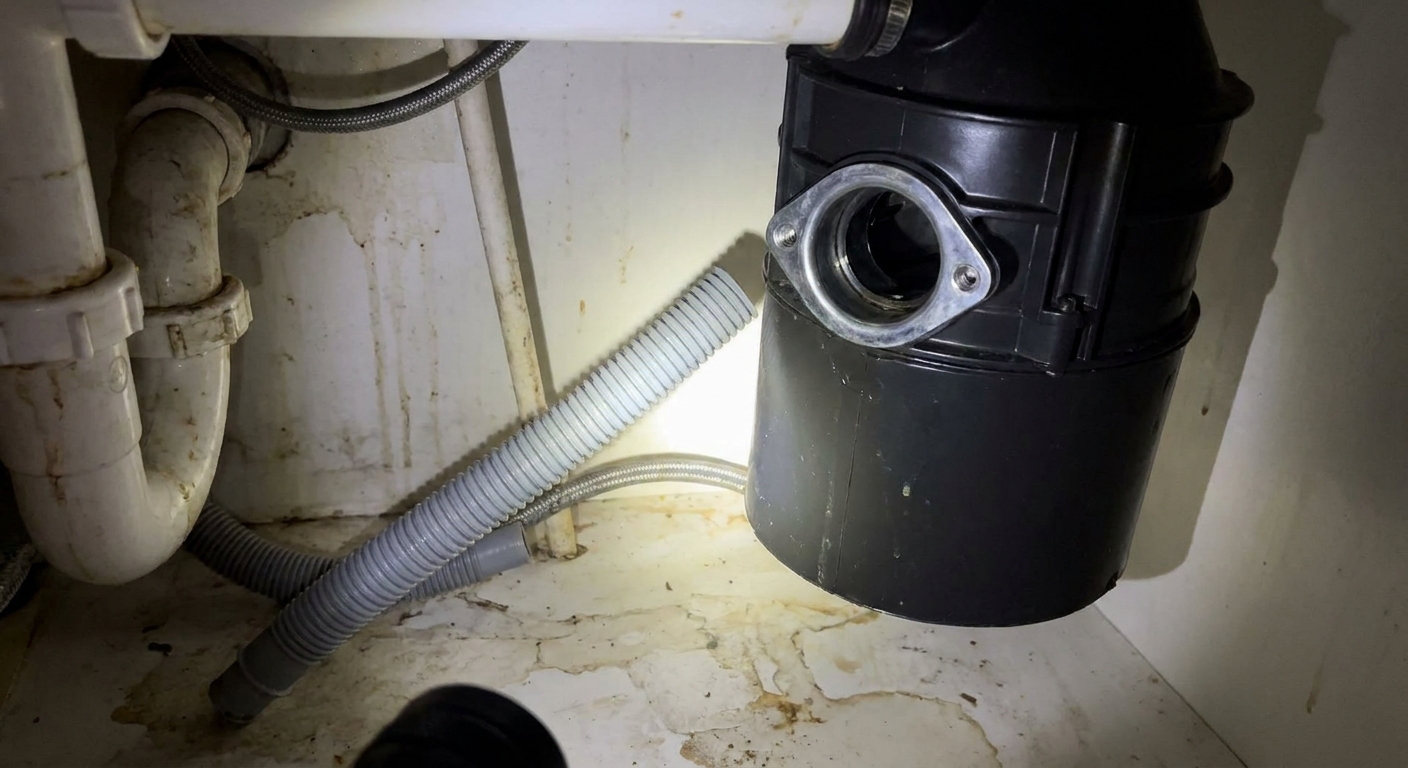
- Under the sink, find where the dishwasher drain hose connects to the disposal inlet nipple. Some installations use a short elbow or adapter at the inlet first. That is normal.
- Remove the hose clamp and pull the hose (or adapter) off.
- Look into the disposal inlet. If you see a solid plastic wall, the knockout plug is still in place.
How to remove it
- Place a towel or small bowl under the disposal inlet.
- Use a screwdriver and a hammer to tap the plug inward through the inlet.
- Do not reach into the grind chamber. With power off, you can usually retrieve the loose plug by grabbing it through the inlet with needle-nose pliers, or by using tongs.
Important: Do not leave the plug inside the disposal. It can rattle around and jam things later.
Step 5: Check the drain hose for clogs
Even with a clean filter and correct hose routing, a partial clog can slow the drain enough that water remains in the tub.
What to do
- With power off, inspect the full length of the drain hose under the sink for kinks, crushing, or sagging. Sagging matters because it can create a low spot that traps greasy water and food sludge, slowly building a partial blockage.
- If you can access where the hose connects to the disposal or sink drain, remove it and check for sludge at the end of the hose and at the disposal inlet.
- Flush the hose in a bucket or sink (if you can remove it safely) using hot water. A gentle blast from a faucet sprayer can help.
Do not pour drain opener or harsh chemicals into the dishwasher. It can damage hoses, seals, and internal parts.
If the hose is stiff, cracked, or permanently kinked, replacement is usually the right move.
Step 6: Consider the check valve
If the dishwasher seems to drain, but water keeps returning later, a sticking check valve (also called a backflow valve or drain flapper) can be part of the story. Some models have it near the drain pump outlet or in the drain hose connection.
What to look for: water drains out during cancel and drain, but then you find dirty water in the bottom later, especially after using the sink or disposal.
Because check valve locations vary a lot, this is a good moment to look up your model diagram or manual before taking anything apart.
Step 7: When it is the drain pump
If the filter and sump are clear, the knockout plug is not the issue, the sink drains freely, and the drain hose path is clean and routed correctly, then the next suspect is the drain pump or a drain pump obstruction.
Signs of a pump problem
- You hear a humming during drain but little or no water moves.
- No drain sound at all when the machine should be draining.
- The dishwasher drains sometimes, but not consistently, and you have ruled out clogs.
Safer checks before replacing parts
- Listen during a drain command. Start a cycle, then use the cancel and drain function to force a drain (check your model’s control panel or manual). If the pump hums but does not move water, it may be jammed.
- Recheck the sump for hard debris. Small glass shards can slip past filters on some models and jam an impeller.
- Look for a drain error. If your dishwasher shows an error code or a blinking “drain” indicator, consult your manual for that code before disassembly.
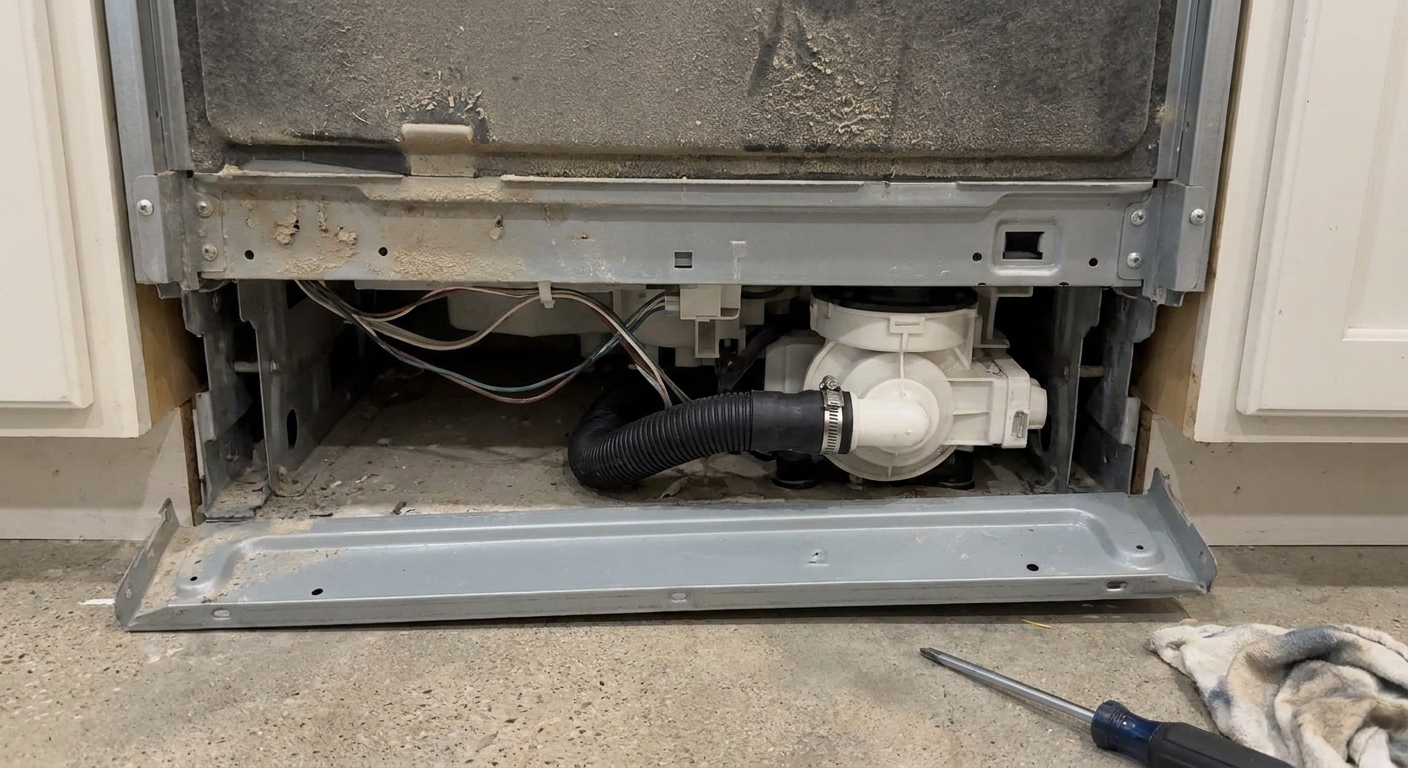
Drain pump replacement varies by brand and model. Some pumps twist-lock from inside the tub, others require pulling the dishwasher out and accessing from below. If you see water in the base pan, burned wiring, or you are not comfortable disconnecting electrical connectors, this is the point where calling an appliance tech is a smart use of money.
Get the water out fast
If you have standing water and you need the dishwasher empty tonight, here is the least messy approach:
- Kill power to the dishwasher.
- Remove the bottom rack.
- Use a cup, sponge, or turkey baster to scoop water into a bowl.
- Soak up the last bit with towels.
A wet and dry shop vac works great too, but keep the nozzle away from sharp debris and do not vacuum up broken glass without caution.
Common causes, in order
If you like checklists, here is the practical sequence I follow in the field and at my own sink:
- Filter clogged or installed wrong
- Debris in sump near the pump intake
- Drain hose routing missing a high loop or air gap clogged
- Sink drain or disposal issue slowing discharge
- Disposal knockout plug still in place
- Drain hose clog or kink
- Sticking check valve letting water return
- Failed or jammed drain pump
FAQ
My dishwasher drains but leaves a little water. Is that normal?
Often, yes. A small amount of water around the filter and sump area can be normal because of the way the sump and drain path are designed. What is not normal is water covering the tub floor or water with food debris.
Why does the dishwasher drain into the disposal, then back up?
A missing high loop (or clogged air gap) can let sink water flow back toward the dishwasher. Also check that the sink drains freely and that the disposal inlet where the dishwasher hose connects is not clogged.
Can I run the dishwasher if it is not draining fully?
I would not. Standing water tends to get stinkier every hour, and continued use can push dirty water back through the spray system. Fix the drain problem first, then run a hot cycle with the filter clean.
Do I need to pull the dishwasher out to fix this?
Usually not. Most drain issues are solved under the sink (hose routing, air gap, knockout plug, disposal clogs) or inside the tub (filter and sump). Pulling the unit is more common when replacing a drain pump or dealing with a hose routed behind the cabinet.
When to call a pro
DIY is my love language, but there are a few red flags where I stop and get help:
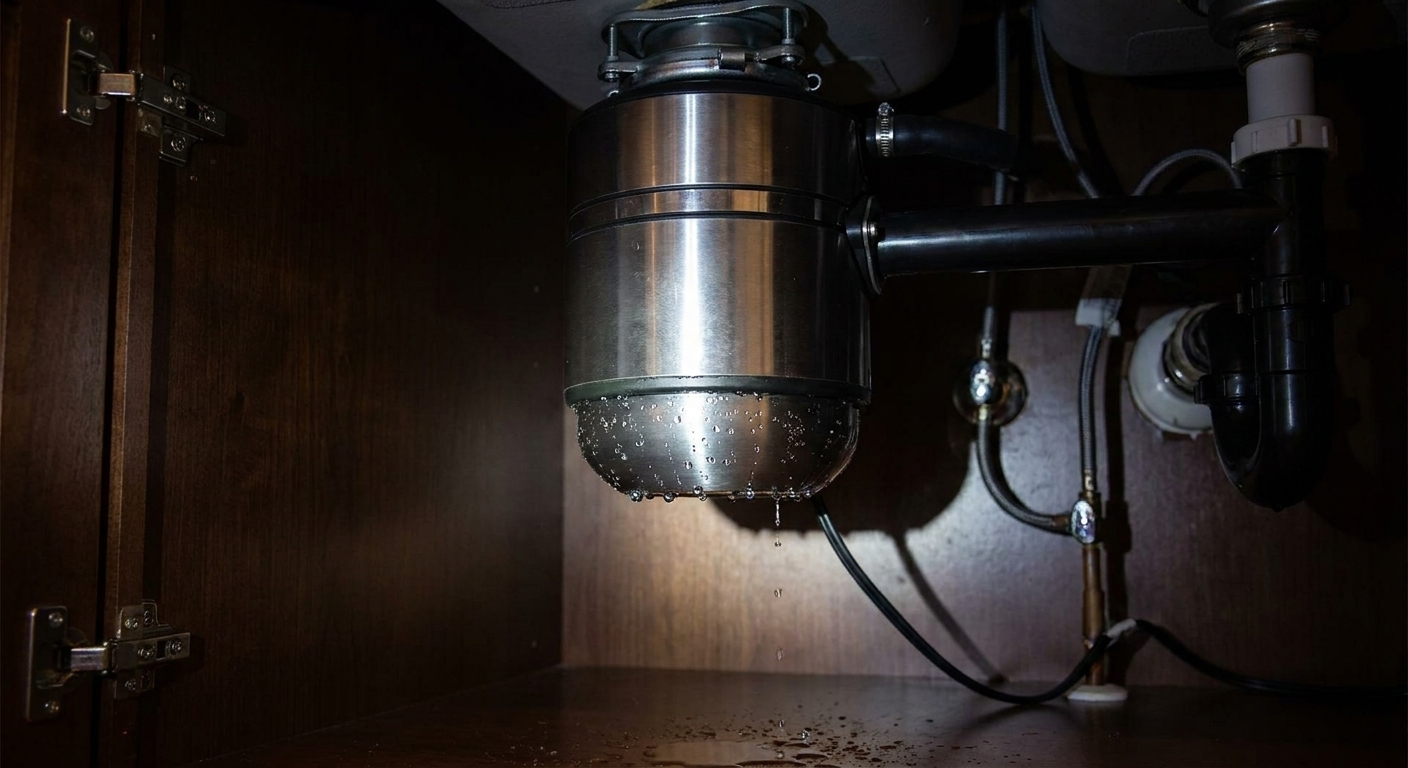
- Water in the base pan or signs of leaking underneath
- Burning smell, melted plastic, or tripped breaker when it tries to drain
- You need to remove the dishwasher and you are not confident handling the water line and power connection
Otherwise, start with the filter and work your way outward. Most standing-water mysteries are solved long before you get anywhere near replacing a pump.