The first time I ran into a full-on rotten-egg smell in a bathroom with no leak, no clog, and nothing visibly “wrong,” I did what any confident DIY guy does. I blamed the teenager in the house and opened a window.
That sulfur or sewer smell is usually plumbing telling you something, and it is often a simple fix. The trick is narrowing down when the smell happens and where it seems strongest.
This guide walks you through the most common culprits in the right order: a dry trap in an unused drain, a failed toilet wax ring, or a blocked vent. Then we will separate those sewer-gas problems from a rotten-egg smell that only shows up when you run water, which points to the water heater or your water supply.
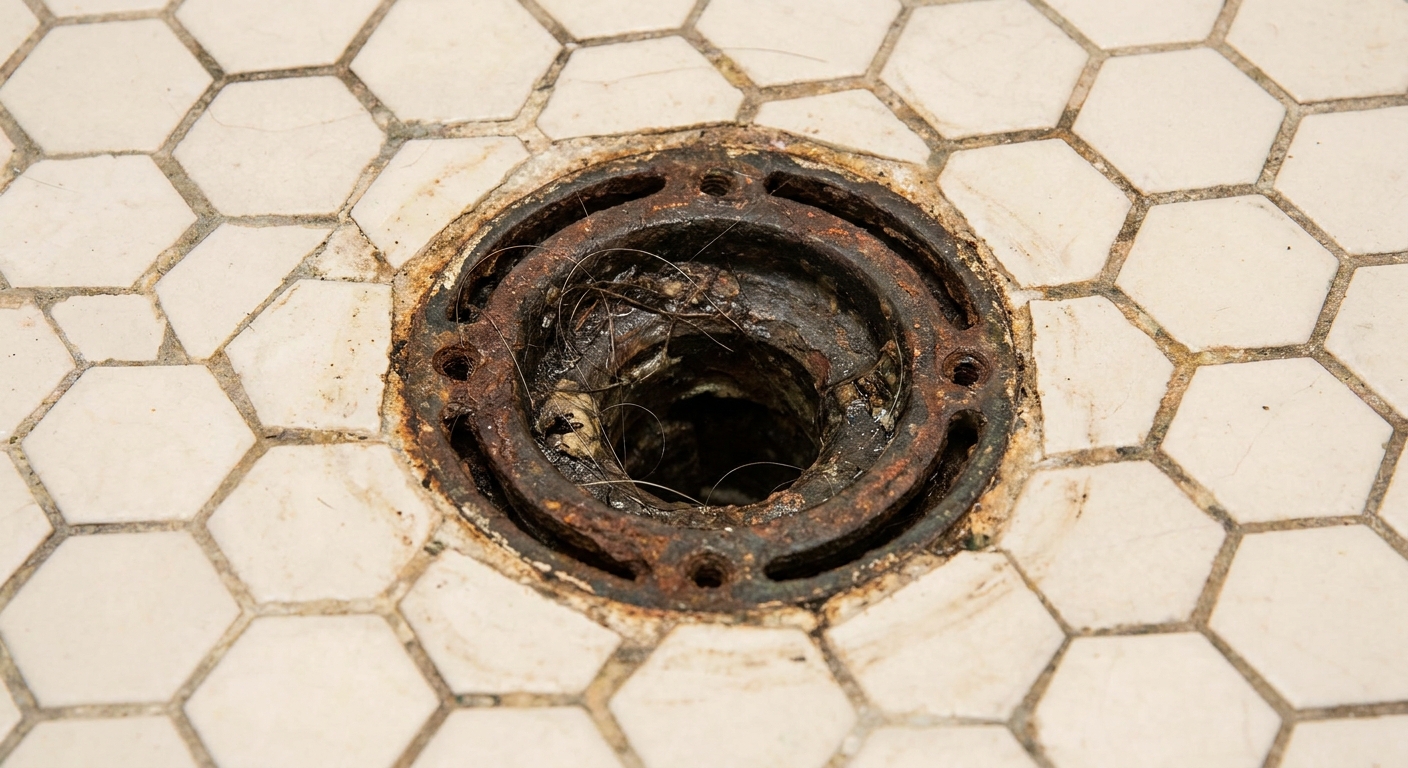
First, figure out what kind of smell you have
Homeowners describe this problem two ways, and the difference matters. A “rotten egg” odor can come from sewer gas or hydrogen sulfide in water, so the timing test is your best shortcut.
- Sewer-gas smell (sewer, sulfur, rotten eggs) that is present even when no water is running, often worse after the bathroom sits unused.
- Sulfur smell only when the tap or shower runs, especially noticeable with hot water.
If the smell is there when everything is off, start with drain traps, the toilet seal, and venting. If it mainly happens when water runs, jump to the water heater section, and also do the hot versus cold test so you do not chase the wrong culprit.
Cause #1: A dry trap in an unused shower, tub, or floor drain
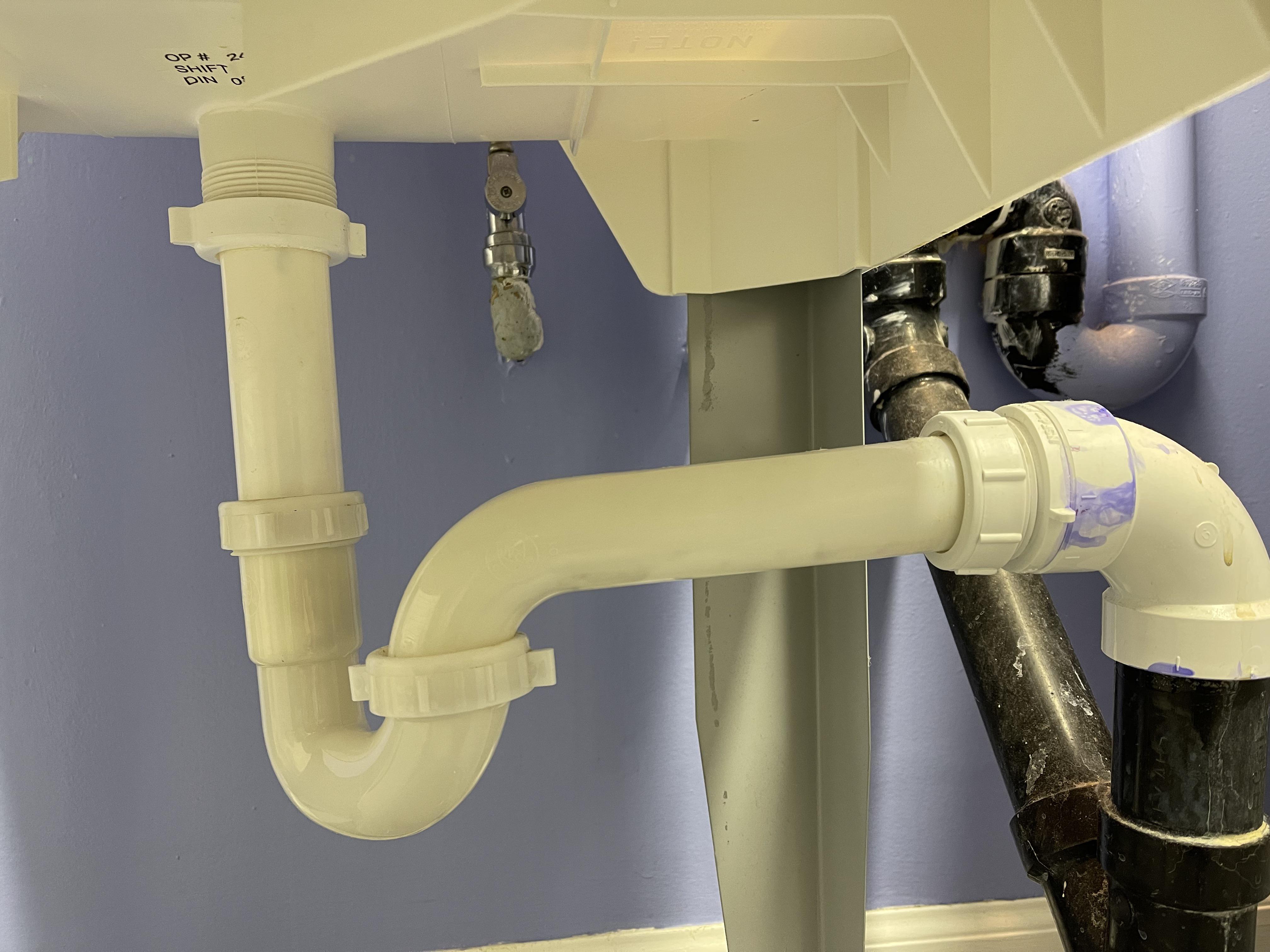
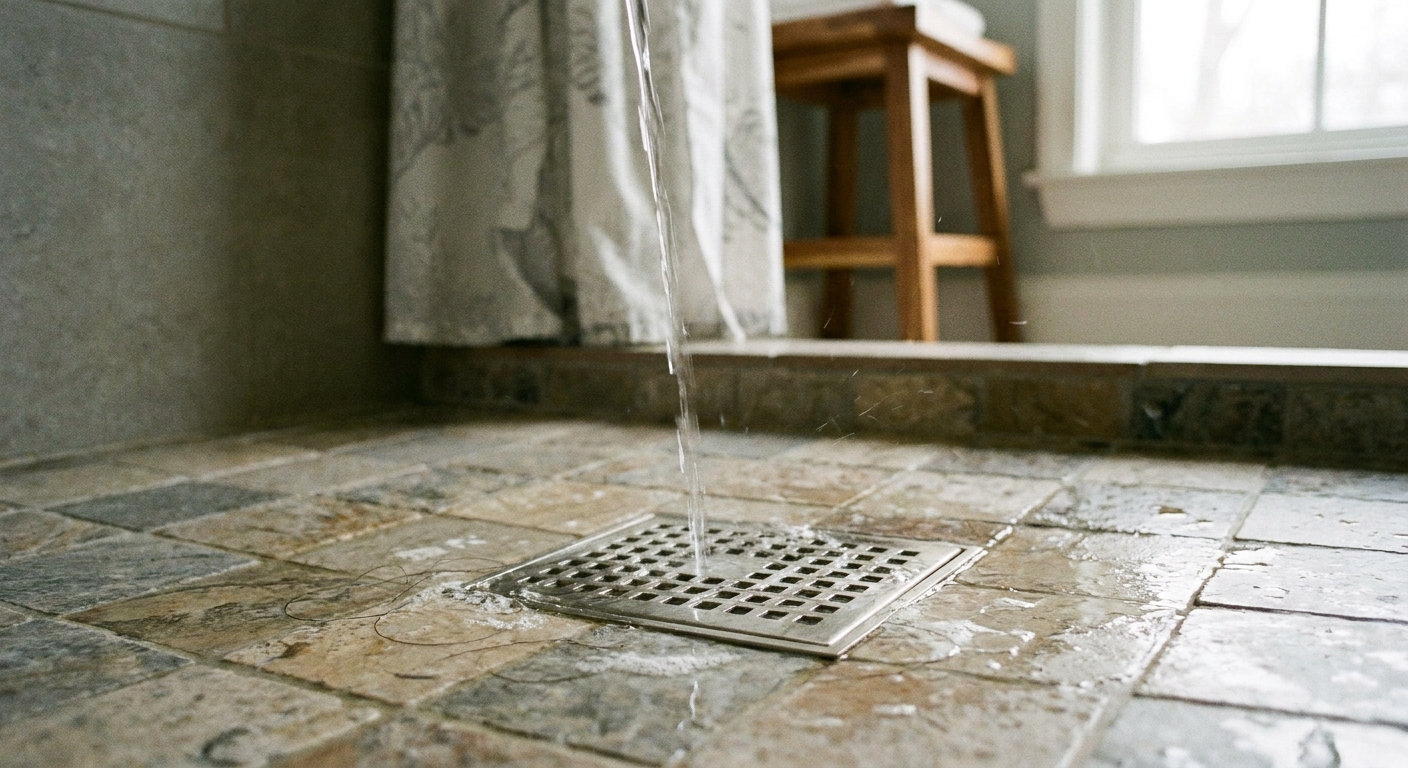
Most bathroom drains have a P-trap or built-in trap that holds water. That water is a seal that blocks sewer gases from coming back into the room. If a drain is rarely used, the water can evaporate and the seal disappears.
Clues this is your problem
- The smell is worse after the bathroom has not been used for days.
- You have an unused shower, guest bath, basement bath, or a floor drain.
- The odor seems strongest right at a specific drain opening.
Fix: a simple pitcher of water
This is the easiest win in the whole article.
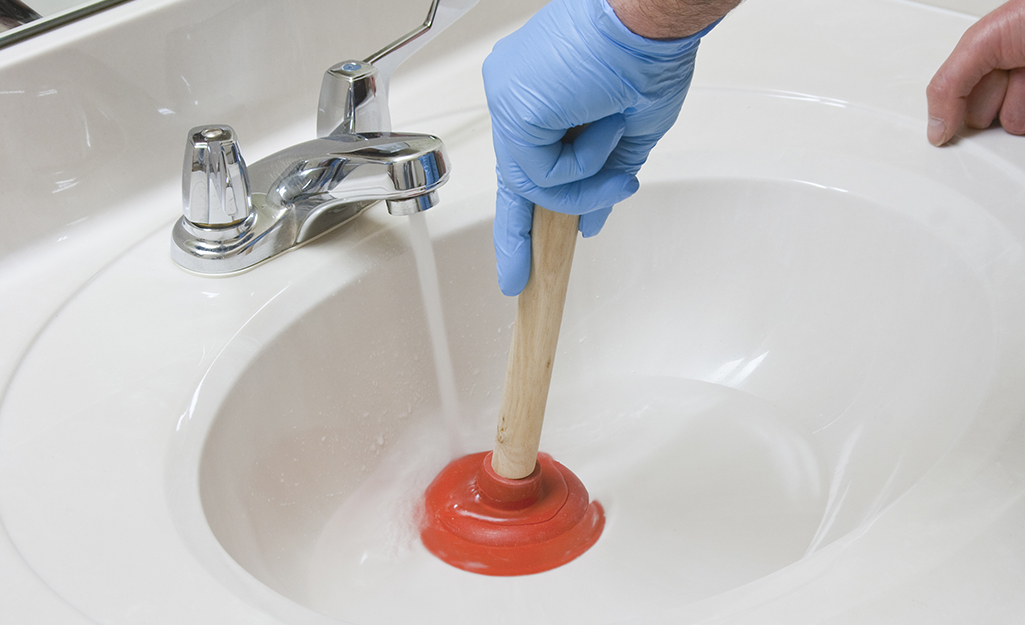
- Pour 2 to 4 cups of water into the suspected drain (shower, tub, floor drain).
- Wait 5 to 10 minutes and sniff near the drain again.
- If the smell improves, you found it. Run that drain periodically to keep the trap filled.
Pro tip: If it is a floor drain or rarely used shower, adding a small tablespoon of mineral oil after the water can slow evaporation. Use it sparingly and only on drains that see very infrequent use. If your setup requires a trap primer by code or the drain gets regular discharge, skip the oil and keep the trap wet the normal way.
Cause #2: A failed toilet wax ring (or loose toilet)
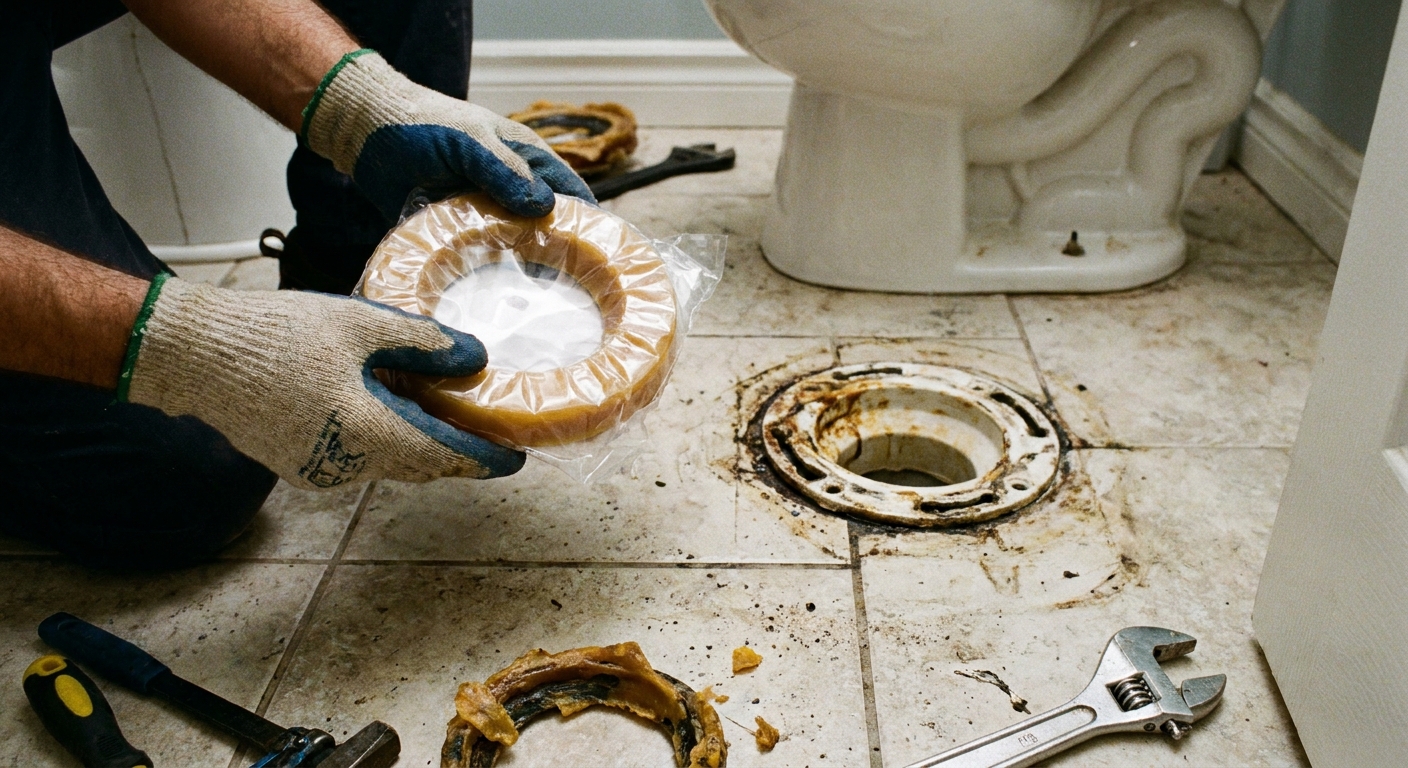
Your toilet is sealed to the drain pipe below it with a wax ring (or a waxless gasket). If that seal fails, you can get sewer gas leaking into the room without seeing a puddle. Sometimes you will also get occasional moisture, but not always.
Clues the wax ring is leaking gas
- The smell is strongest right around the base of the toilet.
- The toilet feels slightly loose or rocks when you sit down.
- The smell is worse after flushing or when the bathroom fan is running.
- You recently replaced flooring, reset the toilet, or had a clog overflow.
Quick check you can do in 2 minutes
- Put on nitrile gloves.
- Try gently rocking the toilet. It should feel solid.
- Look for hairline gaps in caulk around the base. (Caulk is not the seal, but gaps can reveal movement.)
If the toilet moves, do not just crank the bolts tighter and call it good. Overtightening can crack porcelain. A rocking toilet often means the wax ring is compromised, the toilet is not sitting on a stable surface, or it needs shims and a proper reset.
Fix: reset the toilet with a new wax ring
This is a very doable DIY repair if you take your time. The key is getting a clean, level reset.
- Shut off water to the toilet and flush to empty the tank. Sponge out the remaining water.
- Disconnect the supply line and remove the bolt caps and nuts at the base.
- Lift the toilet straight up and set it on a towel or piece of cardboard.
- Plug the drain opening with a rag while you work to block sewer gas. (Do not forget to remove it before resetting the toilet.)
- Scrape off the old wax from the toilet horn and the flange. A plastic putty knife works well.
- Inspect the closet flange. If it is cracked, rusted through, or sitting too low, that is a bigger repair and can be plumber territory.
- If the floor is uneven, use plastic toilet shims to eliminate rocking before final tightening.
- Install a new wax ring (or waxless seal), set the toilet straight down, and press evenly.
- Tighten the nuts evenly until snug. Do not overtighten.
- Reconnect water, turn it on, and test flushes. Confirm no rocking, no leaks, and no odor.
When to call a plumber: If the flange is broken, the subfloor is soft, the toilet sits below finished floor height, or you keep replacing seals and it keeps coming back.
Cause #3: A blocked or poorly vented drain line
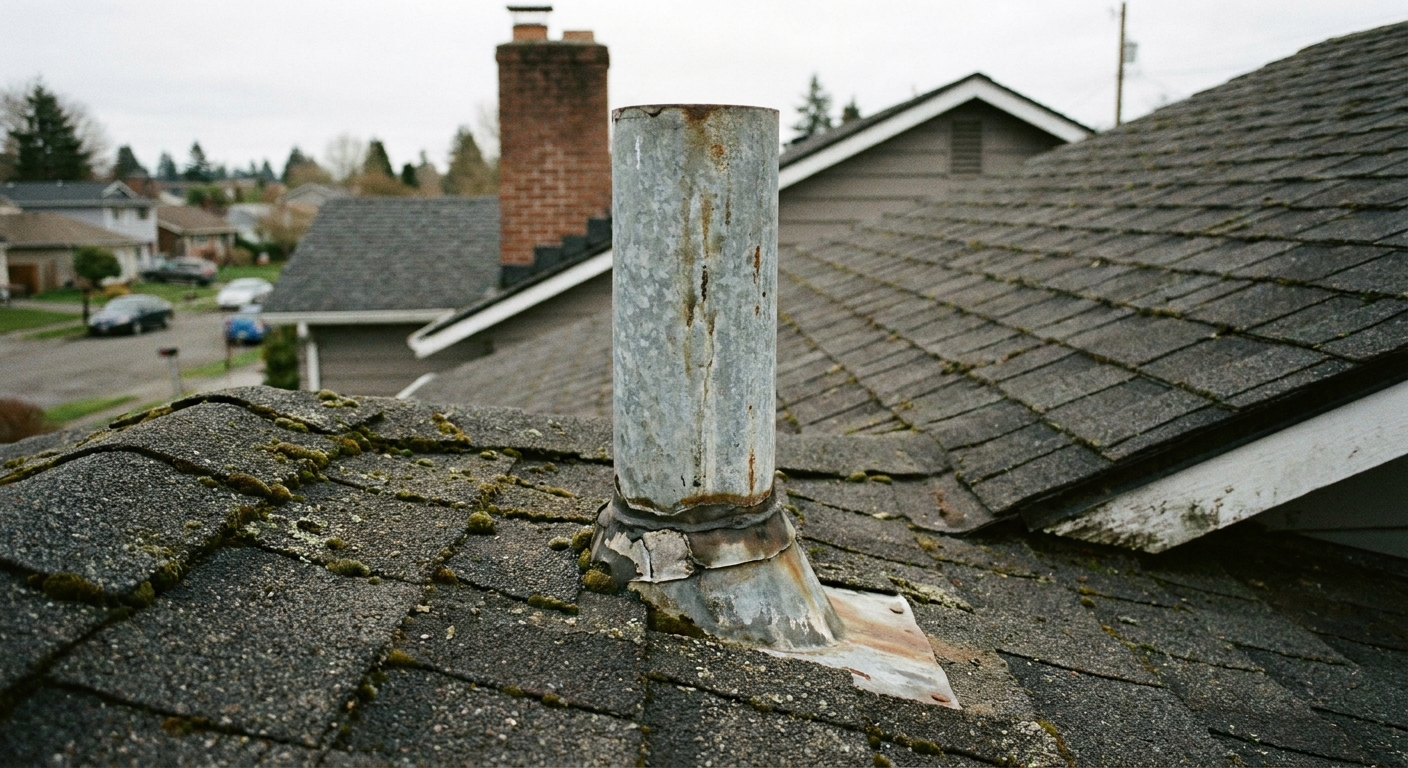
Your plumbing system uses vent pipes to balance air pressure and safely route sewer gases up and out through the roof. If a vent is blocked or a drain is not venting correctly, you can get slow drains, gurgling, or siphoned traps that let odor into the bathroom.
Clues you have a venting problem
- You hear gurgling from a sink or tub when the toilet flushes.
- Traps keep going dry even though you poured water in recently.
- The smell shows up more when there is wind, or when the HVAC or bathroom fan is running.
- Multiple fixtures in the same bathroom act weird, not just one drain.
DIY checks that are safe
- Refill all traps in the bathroom (sink, tub/shower, floor drain). Sometimes that alone fixes it if siphoning was a one-time event.
- Do a quick under-sink check. Make sure the P-trap is actually there, look for a loose slip nut, and check for any signs of a small leak or dried-out gunk. A missing trap, a loose connection, or an illegal S-trap setup can contribute to siphoning and odor.
- Clean the stink collectors. Sink overflows and pop-up stopper assemblies can grow biofilm that smells surprisingly sulfur-like. Pull the stopper if you can, scrub the gunk, and rinse.
- If you have access, look in the attic for any obvious disconnected vent pipe joints. (Do not start pulling pipes apart unless you know what you are looking at.)
Many real-world vent problems are also caused by rooftop obstructions (leaves, nests, snow). If you are not comfortable on the roof, do not “just check the vent.” This is one of those jobs where the danger is not worth it.
What I do not recommend for this symptom
- Chemical drain cleaners as a first move for sewer gas. They rarely fix venting, and they can damage pipes and make future snaking more dangerous.
- Getting on a steep roof to “just check the vent” if you are not comfortable up there.
When to call a plumber: If you have gurgling, recurring dry traps, or the smell persists after trap refills and a toilet check, a plumber can verify vent function and clear the vent safely. Persistent sewer gas is not something to ignore.
If the smell happens when water runs: check hot vs cold
If your bathroom smells fine until you run the faucet or shower, that is often not sewer gas. It can be hydrogen sulfide coming from the hot water system, the cold water supply, or bacteria in the fixture or drain.
Quick test
- Run cold water at the bathroom sink for 20 to 30 seconds and smell it.
- Run hot water for 20 to 30 seconds and smell it.
- If it is clearly worse on hot, the water heater is your top suspect.
- If you smell it on cold too, the issue is more likely your water supply (well water is a common scenario) or a local faucet aerator or biofilm issue, and you may want to look at filtration or testing rather than the heater first.
If it is hot-water heavy: look at the water heater anode rod
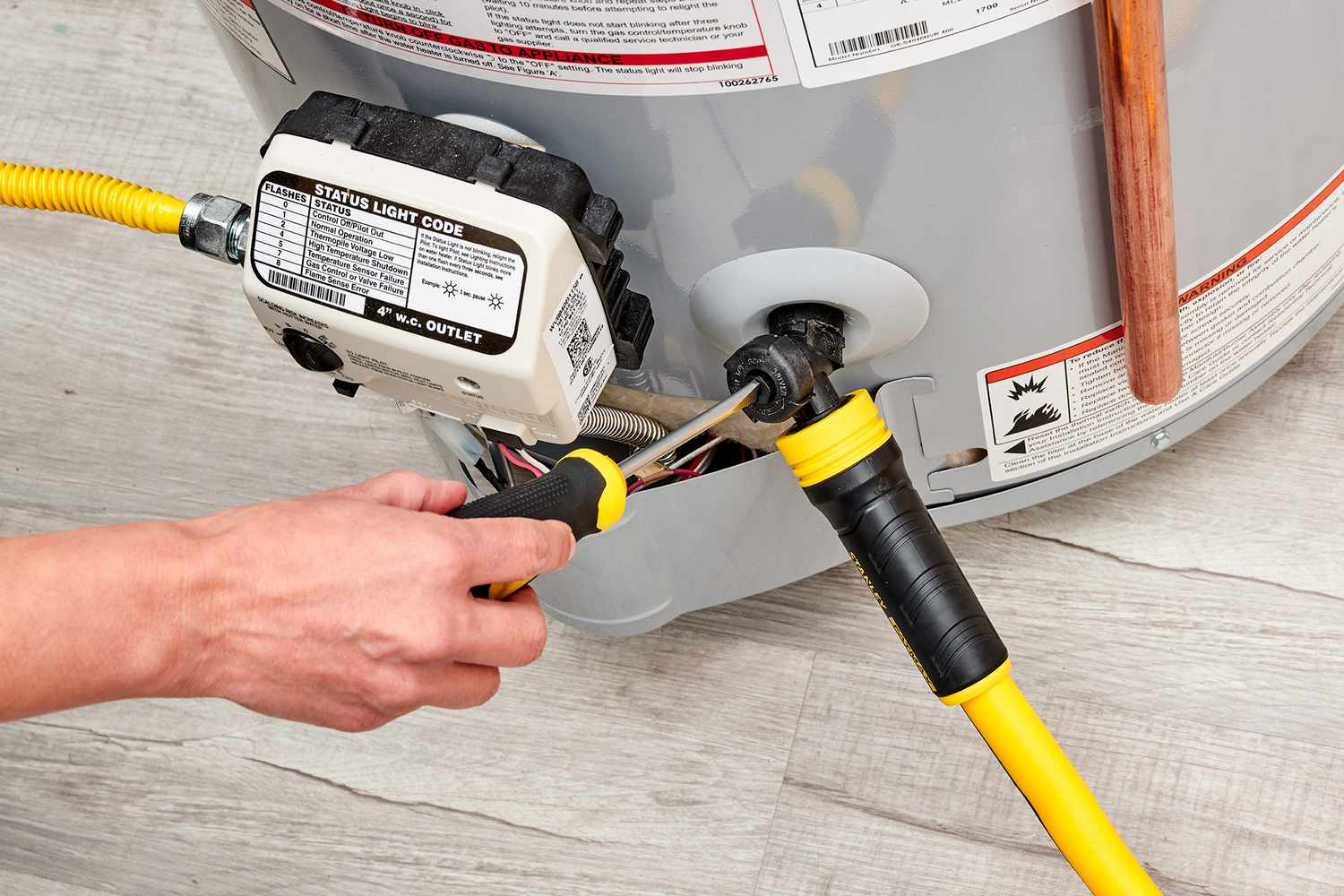
The most common hot-water sulfur culprit is the anode rod inside the water heater reacting with certain water conditions (often involving sulfur-reducing bacteria). The result can be a rotten-egg smell that rides along with the hot water.
Fix options
- Temporary improvement: Flush the water heater to remove sediment and stagnant water. This can help, but it may not solve an anode-driven odor long-term.
- Common lasting fix: Swap the anode rod. Many homeowners have success switching to a different type such as an aluminum-zinc anode, depending on heater compatibility and local water.
DIY: anode rod swap (high-level steps)
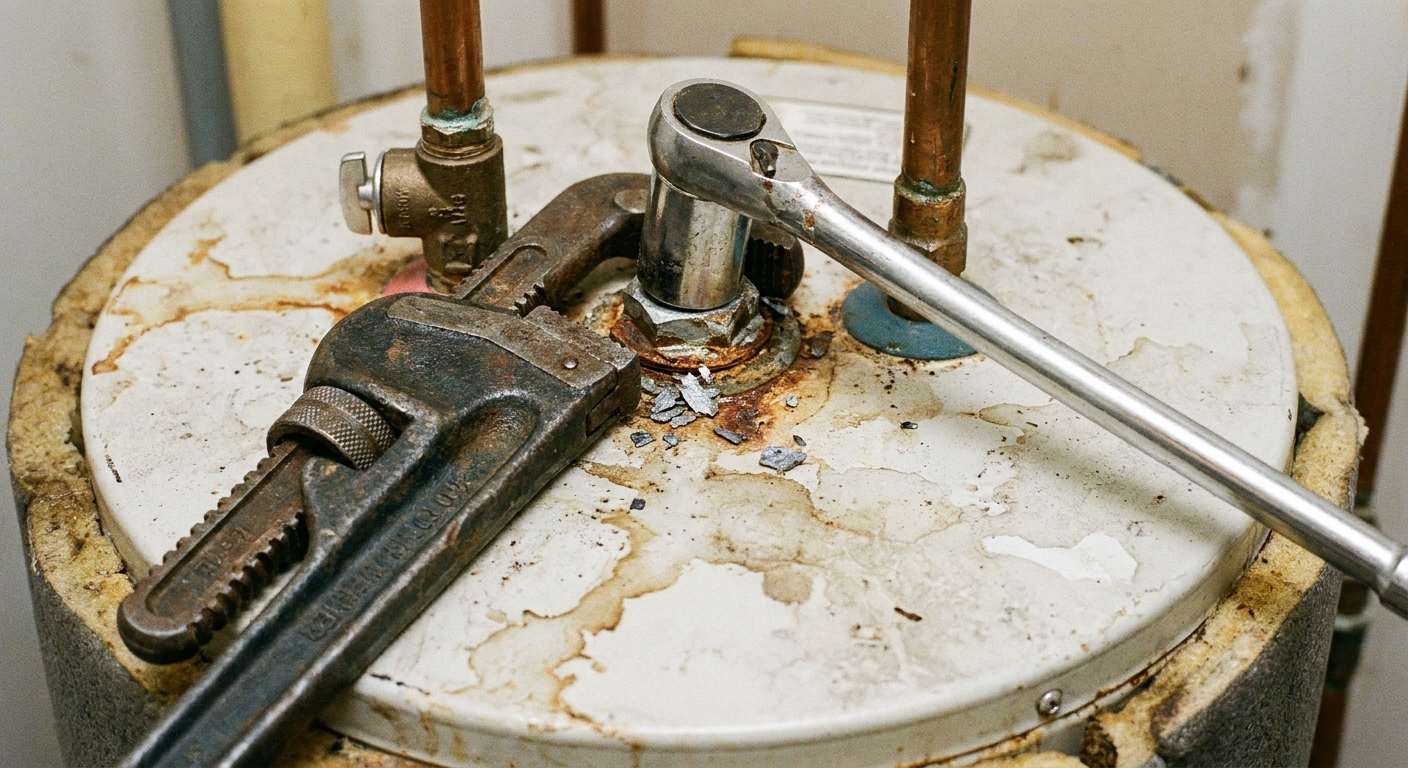
This is a doable job, but it can be stubborn. Anode rods are often extremely tight from the factory and require leverage.
- Turn off power to an electric heater at the breaker, or set a gas heater to pilot or off.
- Shut off the cold water supply to the heater.
- Relieve pressure by opening a hot faucet briefly.
- Locate the anode rod (often on top of the tank under a plastic cap).
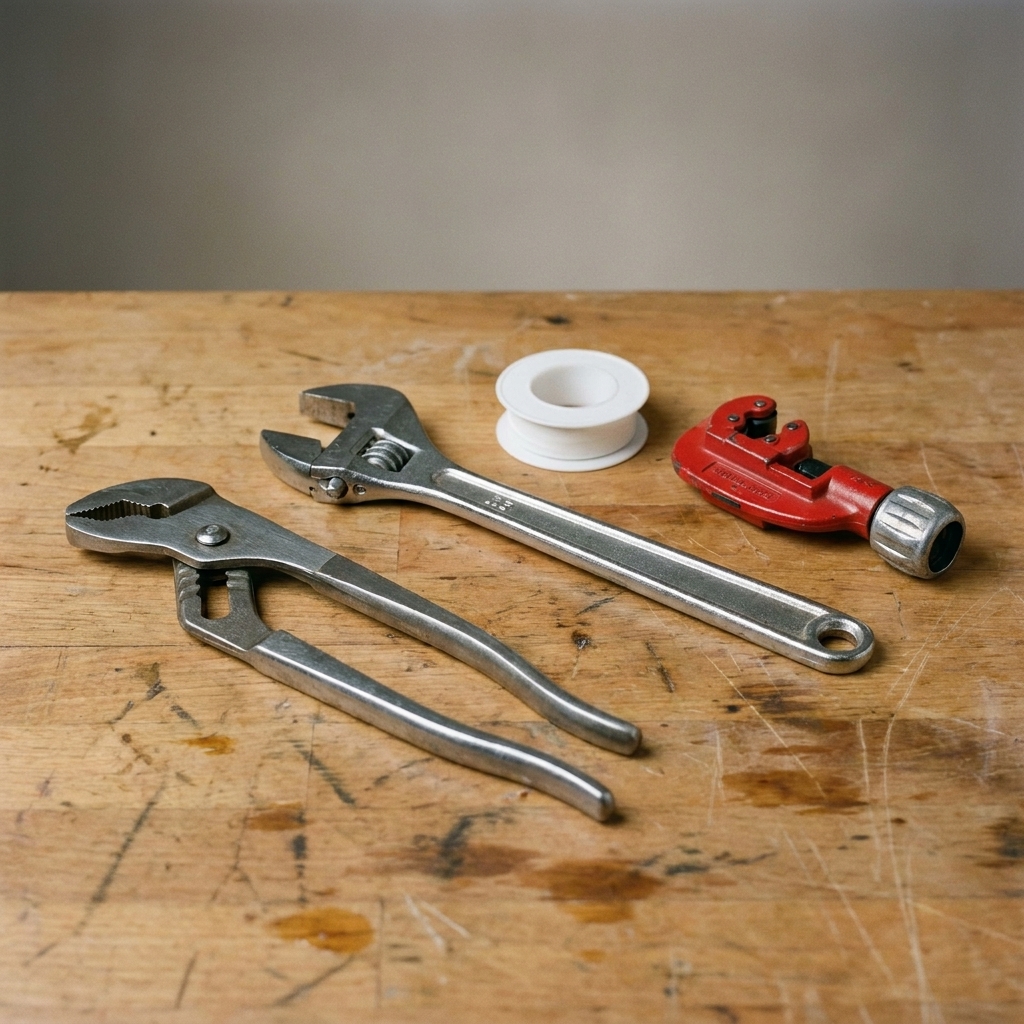
- Use the correct socket and a breaker bar to loosen it. Many are 1-1/16 inch, but confirm yours. Support the tank so you do not twist plumbing lines while you break it free.
- Install the replacement anode rod with thread sealant per manufacturer instructions.
- Turn water back on, purge air at a hot faucet, then restore power or gas.
When to call a pro: If your heater is old, corroded, installed in a tight closet, or you cannot budge the anode without risking damage to the tank or piping.
Fast troubleshooting flow (what I would do in your house)
- Decide if it is water-related. If the smell happens mostly when water runs, do the hot versus cold test first.
- Sniff-test the drains. If one drain is the main source, pour water into it.
- Refill every trap. Sink, tub, shower, floor drain. Easy and often overlooked.
- Check the toilet for rocking and odor at the base. If it moves, plan a wax-ring reset (and shims if needed).
- Listen for gurgling and watch for recurring trap drying. That points to venting and is usually plumber time.
- If it is hot-water heavy, shift to the water heater and anode rod.
When a sewer smell is an urgent call
A brief whiff after a rarely used drain dries out is common. A persistent sewer-gas smell is different. Call a plumber promptly if:
- The odor is strong and constant even after refilling traps.
- Anyone in the home gets headaches or nausea when the smell is present.
- You suspect a broken flange, damaged drain pipe, or vent piping issue inside a wall.
- Multiple drains are gurgling or you have slow drains across the bathroom.
Sewer gas can contain methane and other unpleasant compounds. Most of the time this is a venting or seal issue, not an emergency, but it is worth taking seriously.
FAQ
Can I fix the smell by pouring bleach down the drain?
Bleach can knock down some organic stink in the drain, but it does not replace the water seal in a dry trap and it does not fix a bad wax ring or venting problem. For a sewer-gas smell, start with trap water, then the toilet seal, then venting.
Why does it smell worse when the bathroom fan runs?
A fan can create negative pressure and pull air from the easiest path. If a trap is dry or a wax ring is leaking, the fan can make that odor more noticeable.
What if I poured water in the drain and the smell came back a day later?
That suggests either the trap is drying out quickly, the trap is being siphoned due to venting issues, or the smell is not coming from that drain. Refill the trap again, then listen for gurgling and check the toilet base next.