I used to love telling customers, “Good news, it’s a cheap fix.” I also had to deliver the other line: “I can fix it, but I don’t think you should pay me to do it.” If you have an appliance that’s acting up, this article is for that second moment.
Let’s take the emotion out of it and use a simple cost-benefit approach: how much the repair costs, how old the appliance is, what it will cost to run, and how likely it is to fail again.
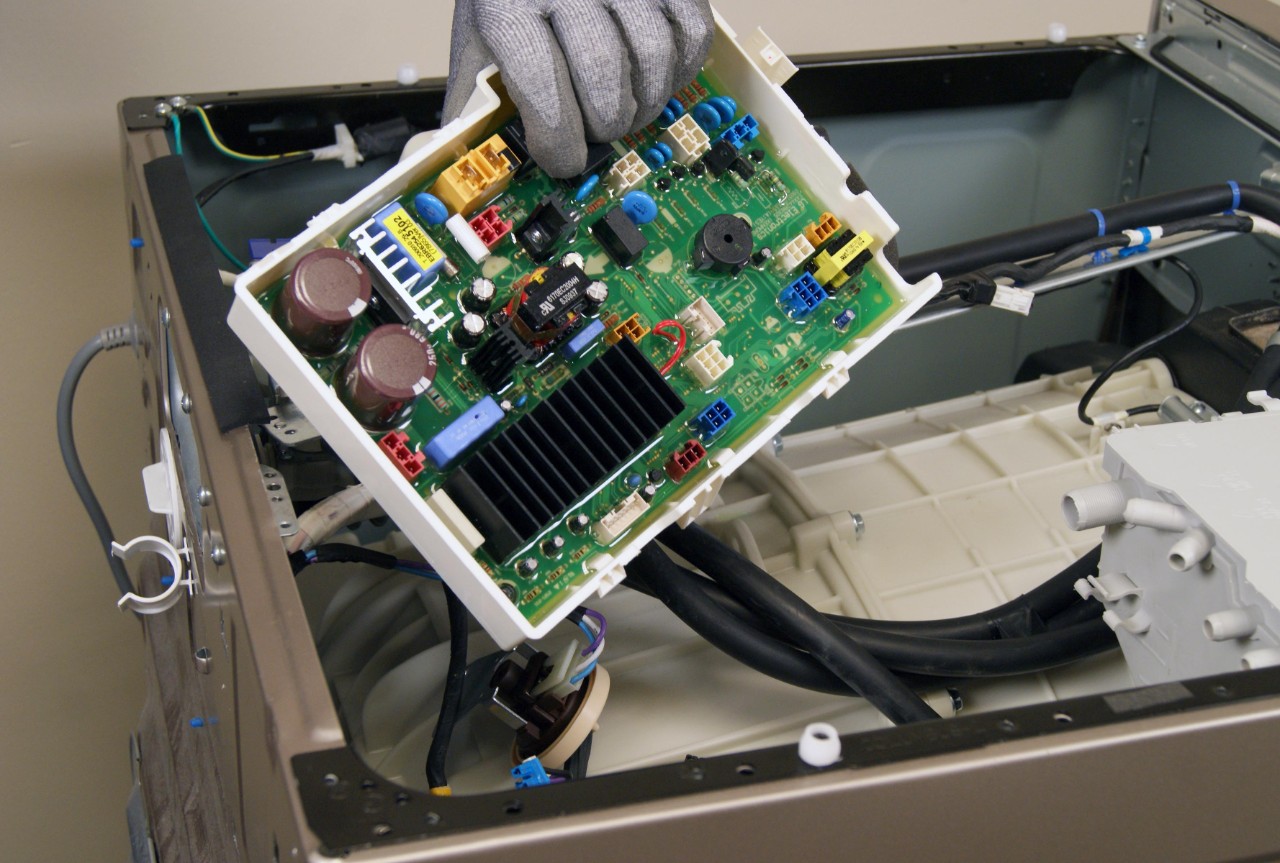
The quick decision rules I use
Rule 1: The 50% repair rule
If the repair estimate is more than 50% of the cost of a comparable new appliance, replacement is usually the better move.
- Example: A $450 repair on a $800 replacement dryer is a “no” for most homes.
- Exception: High-end appliances where a comparable replacement is $2,500 to $6,000. In that case, compare to the true like-for-like replacement cost, not the cheapest big-box option.
Rule 2: Age matters as much as the bill
Even a “reasonable” repair can be a waste if the appliance is near end-of-life. One part fails, you fix it, and then the next weakest link breaks. That’s the classic money pit pattern.
Rule 3: If it’s a sealed-system issue, pause
On refrigerators and freezers, sealed-system repairs (compressor, evaporator, condenser, refrigerant leaks) can be expensive. Warranty coverage also gets confusing fast. Many brands offer longer parts coverage on certain sealed-system components (compressors are a common example), but labor, refrigerant, and leak work may be covered for a shorter window or not at all. Repair-shop warranties vary too, so ask what’s covered and for how long.
Sealed-system work can be worth it on newer or premium units, but it deserves extra skepticism on older appliances.
Typical appliance lifespans
These ranges are ballpark and line up with what most manufacturers, consumer surveys, and service techs tend to see in normal homes. Condition, usage, water quality, and installation all move the needle.
| Appliance | Common lifespan | “Think twice” age |
|---|---|---|
| Refrigerator | 10 to 15 years | 12+ years |
| Dishwasher | 8 to 12 years | 9+ years |
| Clothes washer | 8 to 12 years | 9+ years |
| Clothes dryer | 10 to 14 years | 12+ years |
| Range/oven | 13 to 18 years | 15+ years |
| Microwave (over-the-range) | 7 to 10 years | 8+ years |
| Garbage disposal | 8 to 12 years | 10+ years |
| Water heater (tank) | 8 to 12 years | 10+ years |
How to use this table: If you’re at or past the “think twice” age, the 50% repair rule becomes more like a 30% rule of thumb in my book because the odds of a second failure go up. The exception is a truly inexpensive, high-confidence fix (think: a dryer belt on an otherwise solid dryer).
Do the math in 5 minutes
You don’t need a spreadsheet. Grab the numbers below and make a call you’ll feel good about.
Step 1: Price the real replacement
- Find a comparable model (same size, similar features).
- Include delivery, install parts, and haul-away if applicable.
- Include any recycling or disposal fees. This is especially common for refrigerators and freezers in some areas.
Step 2: Get the repair total
For service calls, the true cost is usually:
- Trip/diagnostic fee
- Labor
- Parts
- Tax
- Any follow-up visit charges
Step 3: Check warranties before you spend
Before you approve anything, verify whether the appliance is covered by a manufacturer warranty, an extended warranty, a home warranty plan, or even a credit-card purchase benefit. If someone else is picking up most of the tab, the math changes.
Step 4: Estimate energy cost difference
Newer appliances can save money, but not always enough to justify replacement by themselves.
- Refrigerators: Often the biggest opportunity, especially if your current unit is truly old.
- Dryers and ranges: Efficiency improvements are usually less dramatic.
- Dishwashers and washers: Savings can come from both energy and water, but it depends heavily on how often you run them and what your local rates are.
A practical approach: check the EnergyGuide label (or ENERGY STAR estimated annual energy cost) for a replacement you would actually buy, then compare it to your best estimate for your current unit. If you want a quick placeholder number while you shop, savings might be anywhere from a couple dollars a month to $5 to $15 per month in higher-use cases, with the higher end more common for very old refrigerators or freezers. Write down a conservative number and treat it as a bonus, not the whole reason to replace.
Step 5: Add a risk premium for repeat failures
If the appliance has had two repairs in the last 18 months, assume there’s a decent chance you’ll pay again soon. I like to mentally add 25% to 50% to the current repair cost for older appliances that are already acting like they want to retire.
Step 6: Make the call
- Repair if: the cost is low, the unit is under the “think twice” age, and it hasn’t been a repeat offender.
- Replace if: the repair is a big percentage of replacement, the appliance is near end-of-life, parts are hard to get, or you’re stacking repairs.
Red flags that mean replace
Some failures are less “one-and-done” than they look.
- Rust, corrosion, or water damage affecting structural parts or wiring.
- Burning smell, melted connectors, or scorched wiring (especially on dryers, dishwashers, ranges).
- Repeated leaks from multiple points, not just one hose or pump.
- Sealed-system refrigerator problems on an older unit.
- Unobtainable parts or backorders that drag on for weeks.
- Safety-related failures you cannot confidently correct: gas odor issues, electrical arcing, overheating, or breaker-tripping that persists after a basic inspection.
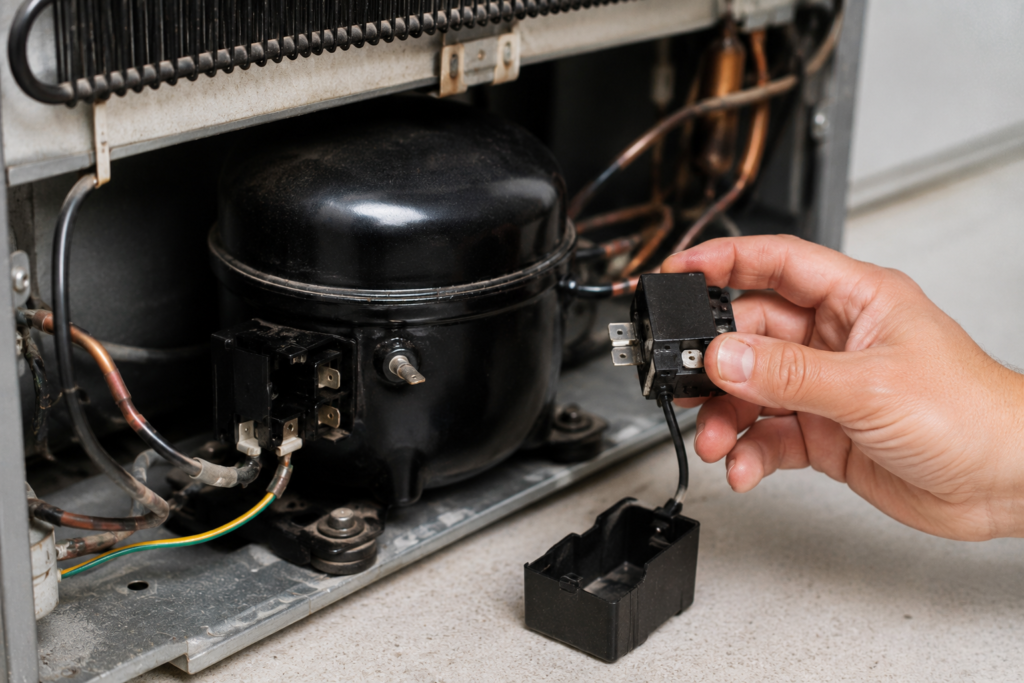
When repair is worth it
Not every breakdown is a death sentence. Plenty of repairs are normal wear and a good use of money, especially if the appliance is midlife or newer.
- Dryer: belt, rollers, idler pulley, thermal fuse, door switch
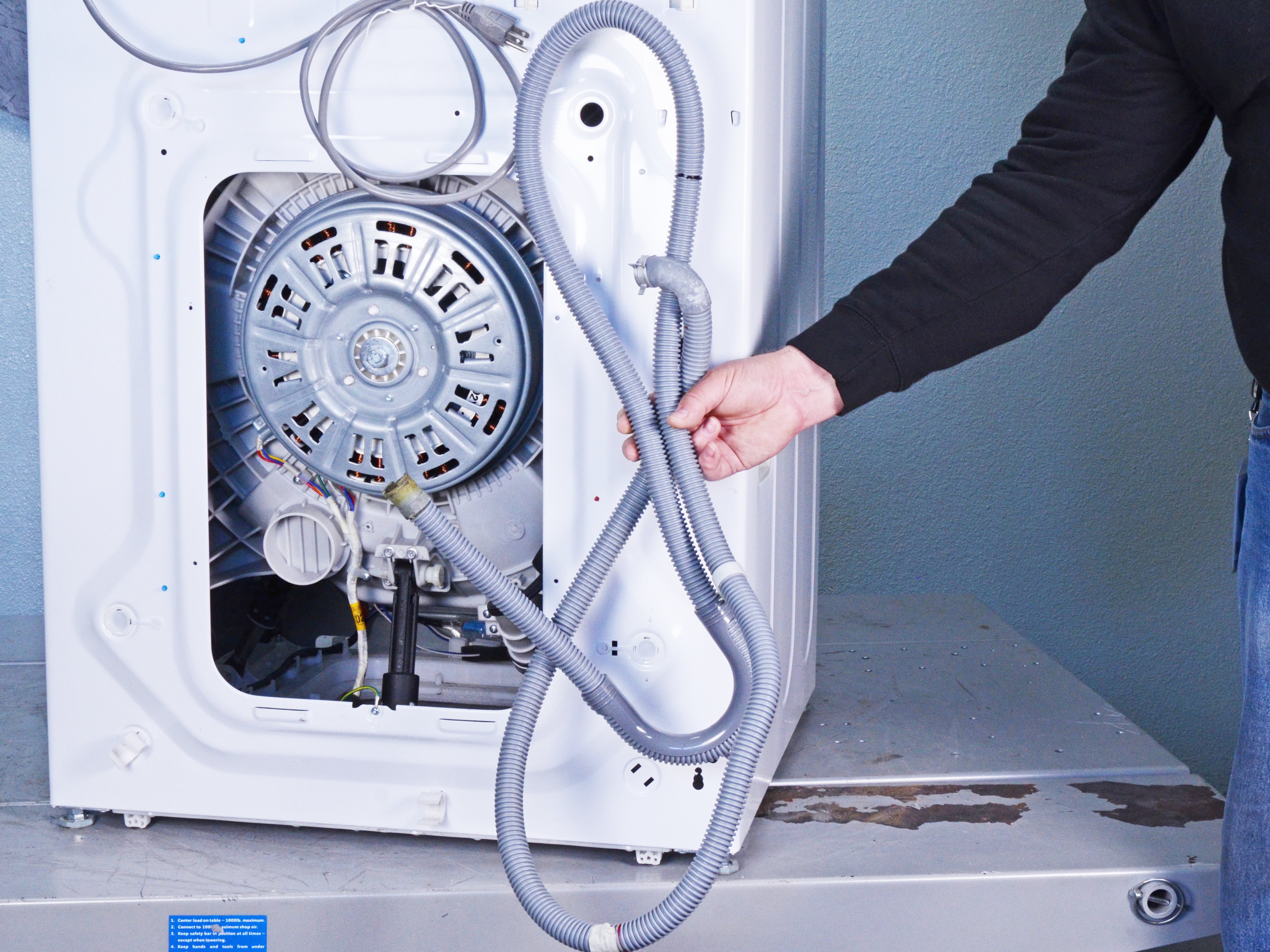
- Washer: drain pump, inlet valve, lid switch/lock (as long as the tub and drivetrain are fine)
- Dishwasher: inlet valve, drain hose, door latch, float switch. Circulation pumps can make sense on newer units when the rest of the machine is in good shape, but they can be pricey, so run the numbers.
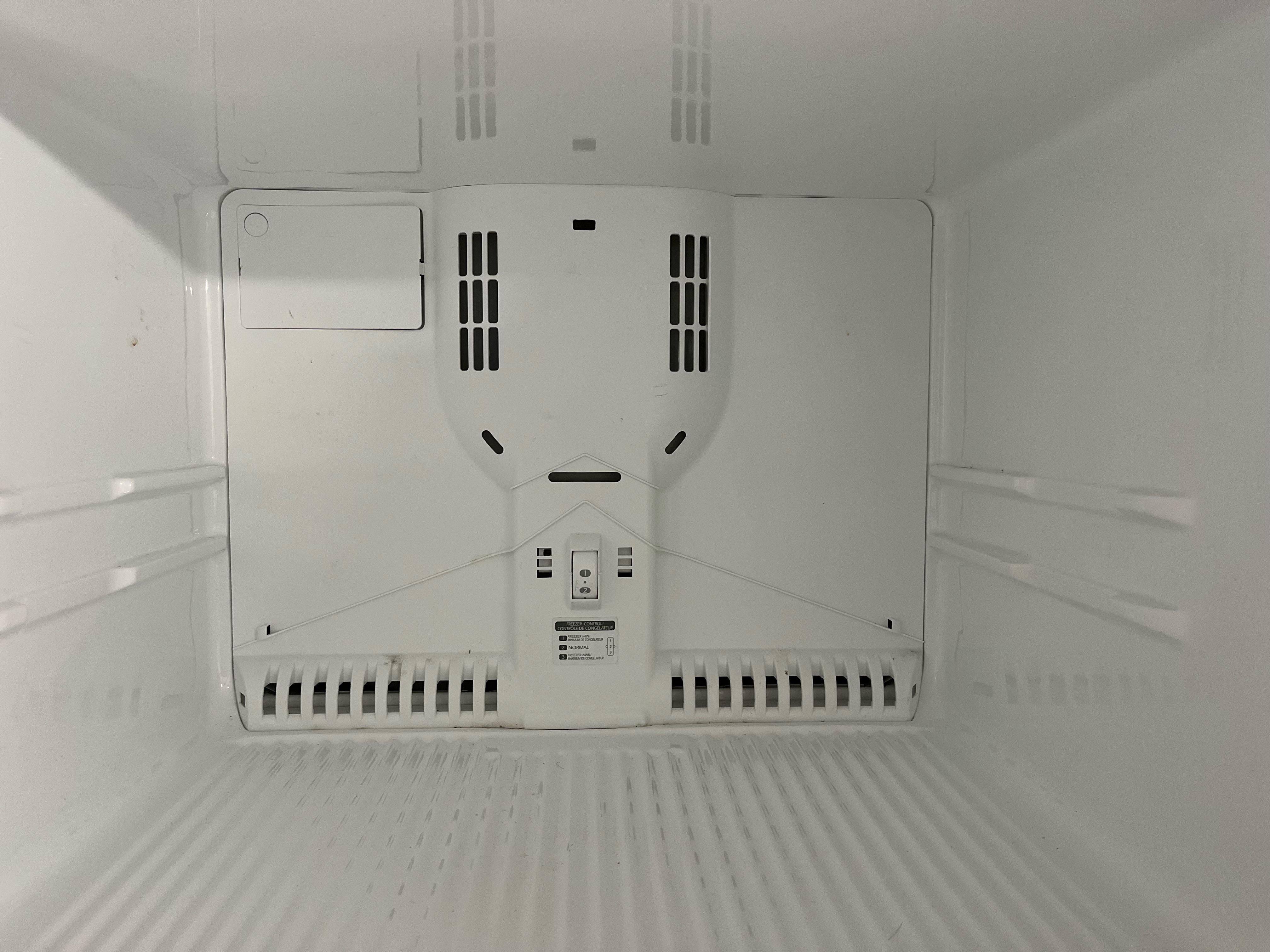
- Refrigerator: defrost heater, defrost thermostat, evaporator fan motor, door gaskets
- Garbage disposal: jam clearing, replacement (often cheap enough that “repair vs replace” becomes “replace vs replace”)
If you’re the DIY type, these are also the repairs that most commonly pencil out as a weekend project, assuming you can do the work safely and source the right part.
Cost traps people miss
Installation surprises
Replacement cost is not just the sticker price. You might also need:
- New water supply line or shutoff valve (dishwasher, fridge, washer)
- New dryer venting or duct cleanup
- Power cord or range cord
- New gas flex connector (ranges and gas dryers)
- Trim kits or mounting brackets (over-the-range microwave)
Downtime costs
No dishwasher for a week is annoying. No refrigerator for long is time-sensitive. If you are throwing out groceries or hauling laundry to a laundromat, replacement often makes more sense even if the repair is theoretically cheaper.
Efficiency payback myths
Sometimes an old appliance is inefficient, sometimes it’s just old. Don’t assume a new model pays for itself quickly. Use utility savings as a factor, not the only factor, unless your current appliance is truly an energy hog (common with very old refrigerators and freezers).
Repairability reality
Some modern machines are harder to justify repairing because expensive control boards, specialty parts, or limited parts availability can push a “normal” breakdown into replacement territory. If a shop tells you the part is discontinued or the lead time is weeks, take that seriously. Waiting is also a cost.
Appliance notes
Refrigerators
- Repair makes sense for fans, defrost components, gaskets, thermostats, and some control issues on newer units.
- Replace is often smarter for sealed-system problems on older units, recurring warm-fridge issues, or chronic frost problems that keep coming back after the common causes have been addressed (door seal and alignment, air leaks, and defrost system faults).
Washers
- If the machine is shaking violently and you have verified it’s level and the load is balanced, watch for bearing/tub issues. Those can get pricey fast.
- Control boards can be a toss-up: worth it on a newer washer, questionable on an older one with other wear showing.
Dryers
Dryers are usually repair-friendly. If the drum turns and heats inconsistently, it’s often a straightforward part. If you’ve got repeated overheating or burning smells, step back and consider replacement and a full vent inspection.
Dishwashers
If you’re stacking problems like poor cleaning, leaks, and electrical glitches, replacement starts looking better. If it’s a single issue like won’t drain or won’t fill, repair is frequently worth it.
Ranges and ovens
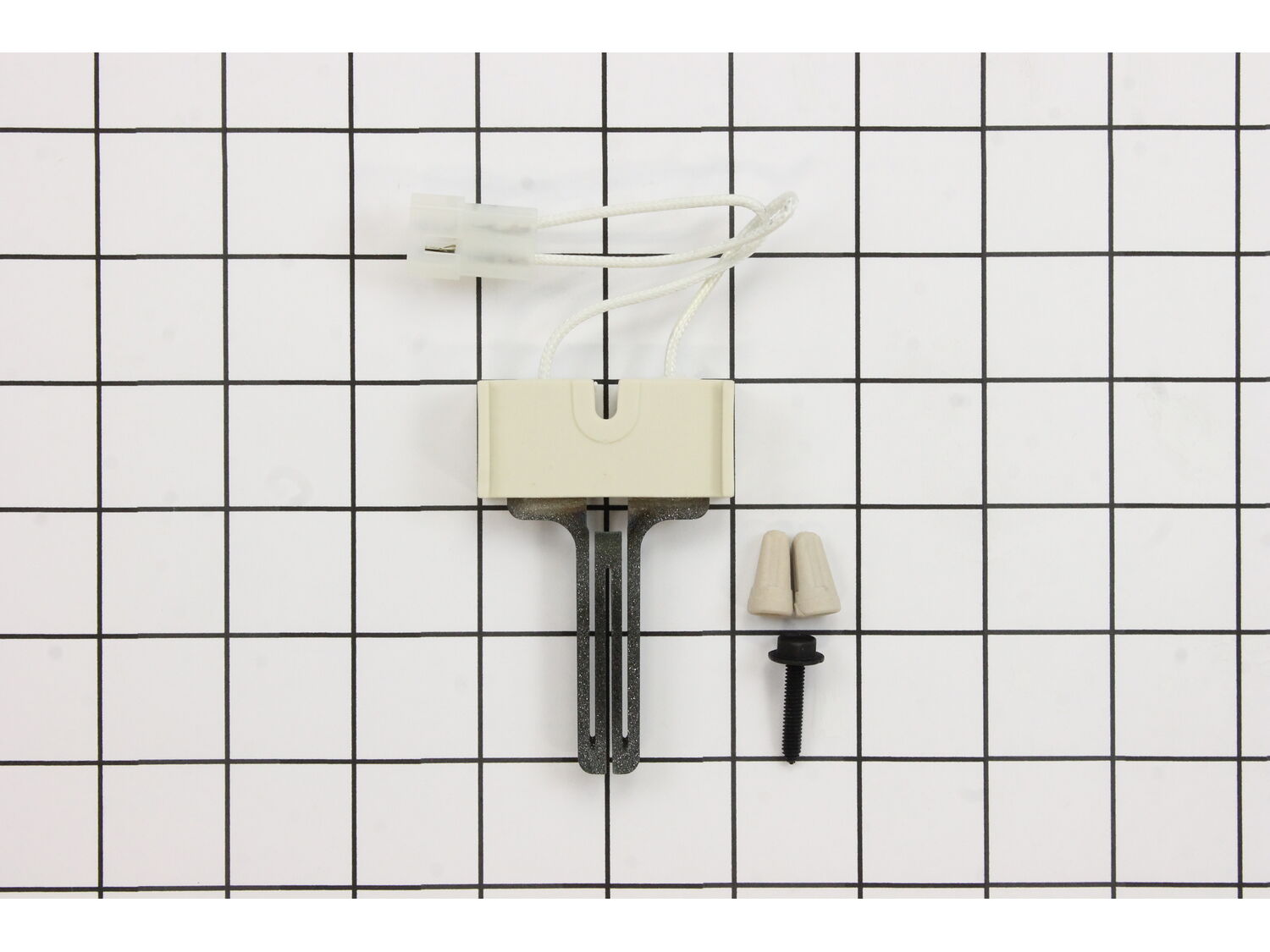
These tend to last. Heating elements, igniters, and switches are often reasonable repairs. For gas appliances, anything involving persistent gas smell or questionable combustion is a pro call, and sometimes a replacement decision if the unit is old.
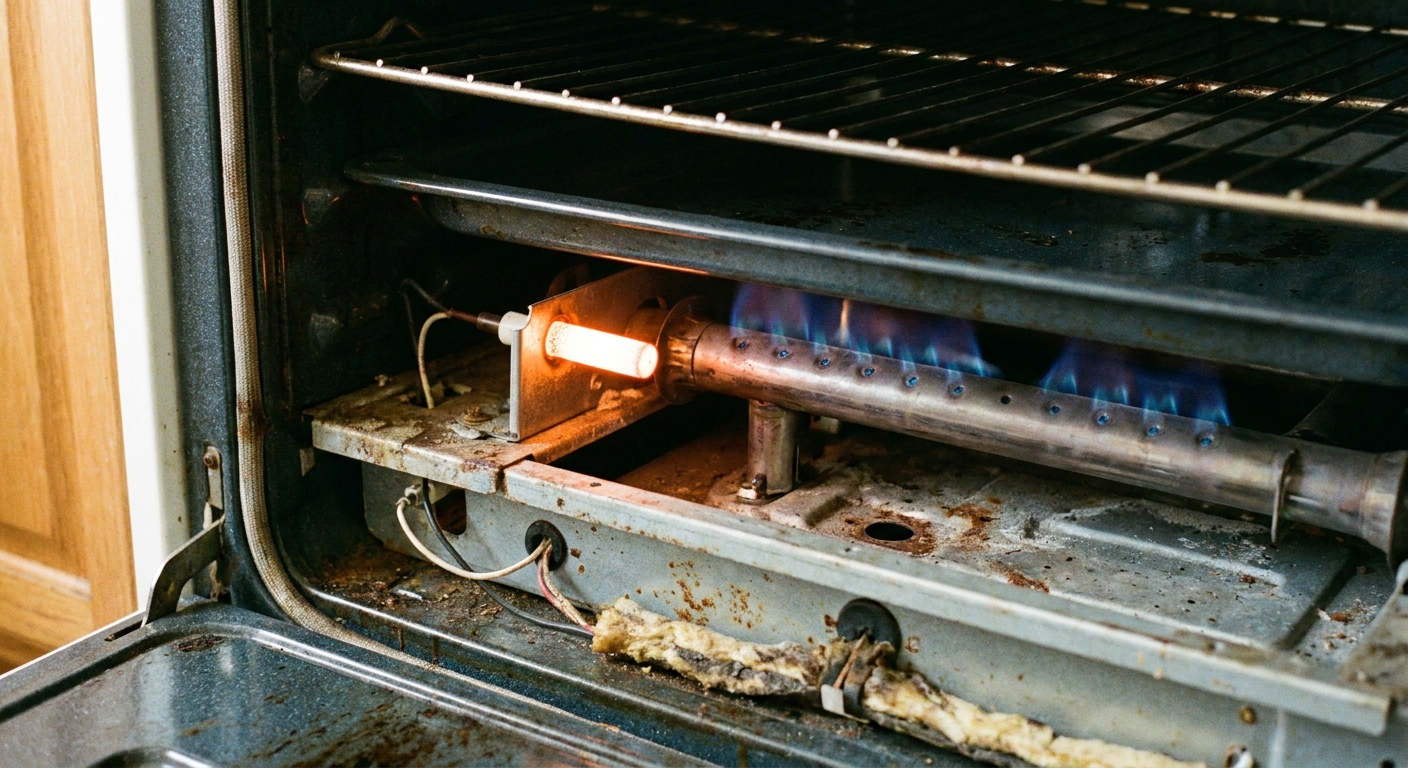
Checklist before you decide
- Age: Is it past the “think twice” age?
- Repair cost: Is the estimate over 50% of replacement?
- History: Have you repaired it more than once recently?
- Safety: Any electrical burning, breaker trips, overheating, or gas smell?
- Downtime: Can you live without it while waiting on parts?
- Efficiency: Is it a known energy hog (especially older fridges/freezers)?
- Parts availability: Are parts readily available and returnable?
- Warranty: Is any part of this covered by manufacturer, extended, or credit-card protection?
FAQ
Is it worth repairing a 10-year-old appliance?
Sometimes. At 10 years, the deciding factors are the repair cost and the type of appliance. A dryer or range at 10 years can be a great repair candidate. A dishwasher or washer at 10 years gets a tougher evaluation. A refrigerator at 10 years is borderline depending on the problem.
Should I replace an appliance that still works but is inefficient?
If it is a very old refrigerator or freezer, replacement can be a smart utility move. For most other appliances, efficiency alone usually isn’t enough to justify replacing a functioning unit unless you also want the reliability upgrade or you’re remodeling anyway.
Does DIY repair change the repair vs. replace math?
Absolutely. Removing labor cost can turn a replace decision into an easy repair, as long as you can do it safely and correctly. Just be honest about your comfort level with electrical testing, gas connections, and water hookups.
What if the repair shop says they can’t guarantee it?
That’s a clue. If the tech can’t offer confidence because multiple issues are possible, the appliance has prior damage, or the repair is invasive, that usually means your risk premium just went up. In plain language: you might be paying to find out it needs another repair.
My bottom line
If you want a clean rule you can stick on the fridge: if it’s old and the repair is expensive, replace it. But if it’s midlife and the failure is a common wear part, repairing is often the smarter, cheaper win.
And if you are on the fence, price both paths fully. Appliance decisions feel a lot easier when you stop guessing and start adding.