The first time I ran into this problem, I did what a lot of us do. I assumed the oven just “needed a minute.” Fifteen minutes later, the preheat beep never came, the cavity was still stone cold, and dinner plans were officially on the ropes.
If your oven powers on normally, lights up, maybe even runs the fan, but the bake cavity will not heat, you can usually narrow it down with a few safe checks. The key is separating what’s happening on the control panel from what’s happening at the heating system.
Safety first (please do not skip)
- Electric ovens: Shut off power at the breaker before removing panels or touching wiring. Most full-size electric ranges in North America use 240V power, and that can ruin your whole week in a split second.
- Gas ovens: If you smell gas and it does not clear quickly, turn the oven off, avoid switches and flames, ventilate, and shut off the gas supply if you can do so safely. Call your gas company or a technician.
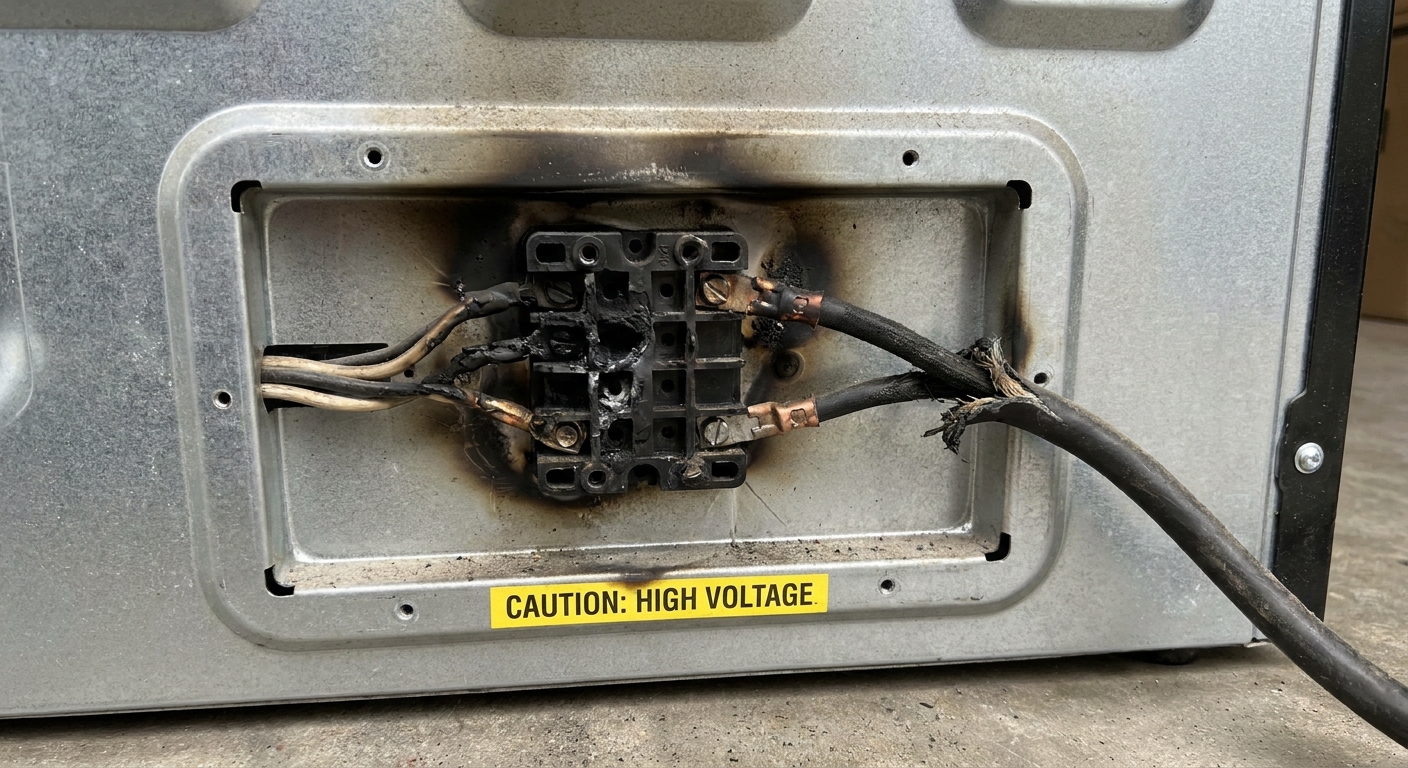
- When in doubt: If you see melted insulation, charred wires, or a scorched control area, stop and call a pro. That is not a “watch a quick video and wing it” situation.
Quick reality check: oven heat vs cooktop heat
A lot of ranges are really two systems living together:
- Surface burners / cooktop: Can work perfectly even if the oven is dead.
- Oven cavity (bake and broil): Uses different parts, different wiring, and sometimes a different safety circuit.
So if your stovetop still boils water, that does not rule out a failed bake element, igniter, fuse, relay, or a power supply problem feeding the oven circuit.
Common cause: lost power leg (electric)
This one gets a lot of people because the oven can look “alive” while it is missing the power it needs to heat. Many electric ranges can run the clock, lights, and sometimes even the convection fan on 120V, while the heating elements need the full 240V supply.
What to check
- Breaker: Make sure the double-pole breaker is fully reset. Flip it all the way off, then back on. A half-tripped breaker can leave you with one hot leg and a cold oven.
- Terminal block and cord (power off): If you are comfortable pulling the range out, shut off the breaker and remove the rear access cover to inspect for scorching or loose connections where the power cord connects. If you see heat damage, stop and call a technician.
Start with what you can observe (no tools yet)
1) Does broil work?
Set the oven to Broil and give it 2 to 3 minutes.
- If broil heats but bake stays cold: The bake side is the likely failure (electric bake element, bake igniter on gas units, or a bake relay/control issue).
- If neither broil nor bake heats: Think bigger, like a lost power leg (electric), a thermal fuse/high-limit issue, wiring damage, or a control board problem. On some models, a door switch or latch circuit can also interfere with heating, but it is not the first thing I suspect.
2) Any error codes?
If the display shows an error (many relate to temperature sensor issues), look it up by model number. A failed sensor can prevent heating or cause it to shut down early.
3) Do you hear anything when bake starts?
- Electric ovens: Often you will not hear much. Some models click as relays energize.
- Gas ovens: You may hear a faint “whoosh” when the burner lights. If you hear no ignition sequence, the igniter or gas safety circuit may be failing.
4) If you have a gas oven, watch safely
Some ovens want the door closed during ignition. If your oven has a window, watch through it. If it does not, follow your owner’s manual. Do not leave your face near the opening while it is trying to light.
Electric oven: common causes and checks
Bake element: burned or open
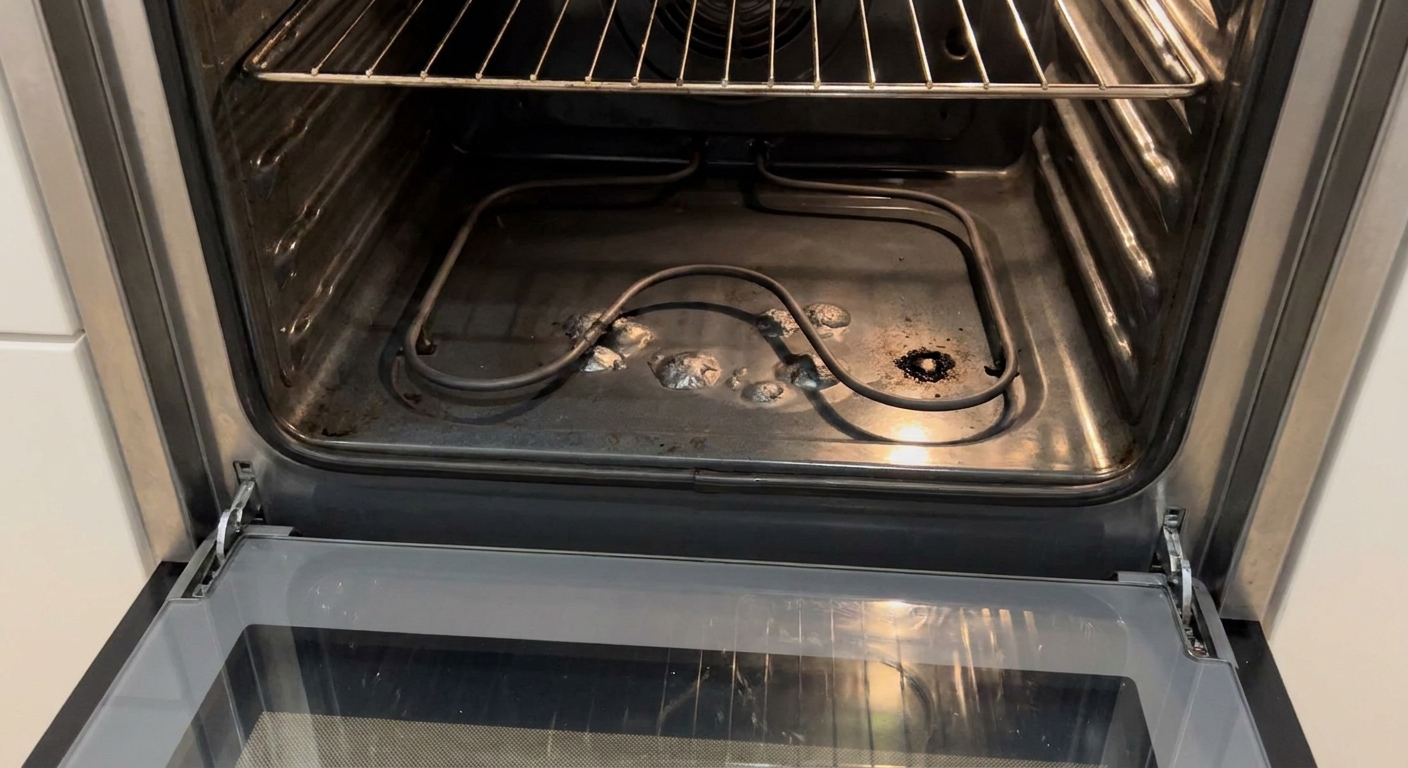
This is the classic electric-oven failure. The oven looks normal, but it never warms because the lower bake element is open (broken internally). Also, many newer ovens have a hidden bake element under the oven floor, so you might not see it unless you remove the bottom panel.
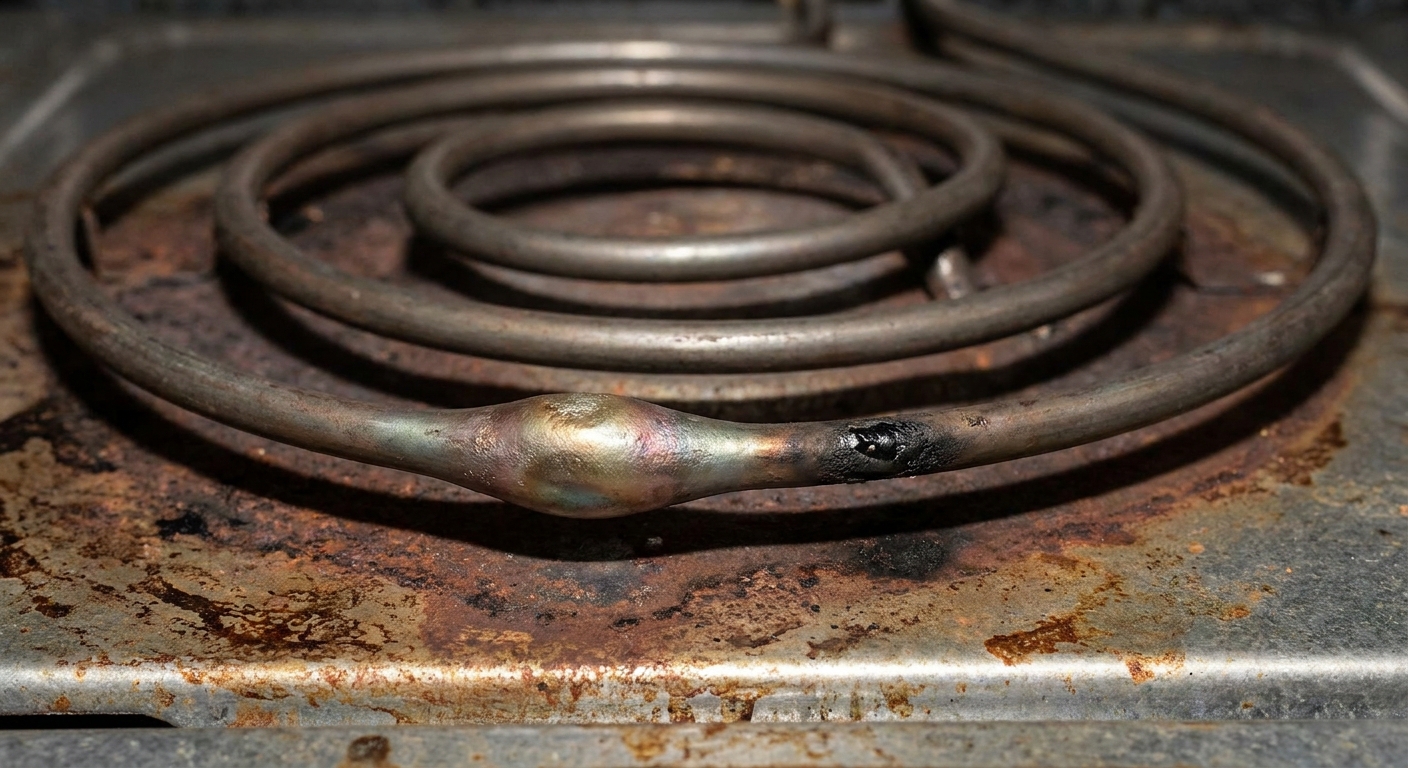
- What to look for: Bubbling, blisters, splits, holes, or a spot that looks melted or arced.
- Important: A bake element can fail with no visible damage, so a visual check is a first step, not the final word.
How to test the bake element with a multimeter
If you are not comfortable pulling the element out and handling the wiring, stop here and call a technician.
- Turn off the breaker to the range.
- Remove the oven racks.
- Unscrew the bake element mounting screws (usually at the back wall or at the element bracket).
- Gently pull the element forward a few inches to access the terminals.
- Take a photo of the wire positions, then pull the connectors off (needle-nose pliers help).
- Set the multimeter to resistance (ohms) and test across the two element terminals.
What you want: continuity and a reasonable resistance reading. For many 240V bake elements, a common ballpark is roughly 15 to 30 ohms, but it depends on wattage. If you want a quick estimate, use Ohms ≈ V²/W (example: 240²/3000W ≈ 19 ohms).
What you do not want: “OL” or infinite resistance, which usually means the element is open and needs replacement.
Thermal fuse or high-limit: heat gets cut for safety
Many ovens have a thermal fuse or high-limit device that opens if the oven overheats or airflow is restricted. When it opens, the oven can lose heating even though the display still works.
- Common clue: Oven stopped heating after a self-clean cycle or after a very hot cook.
- Where it is: Often behind the rear panel of the range, sometimes on top of the oven cavity.
- Replace or reset: Some high-limits are resettable, but many thermal fuses are one-time and must be replaced. Do not bypass a safety device.
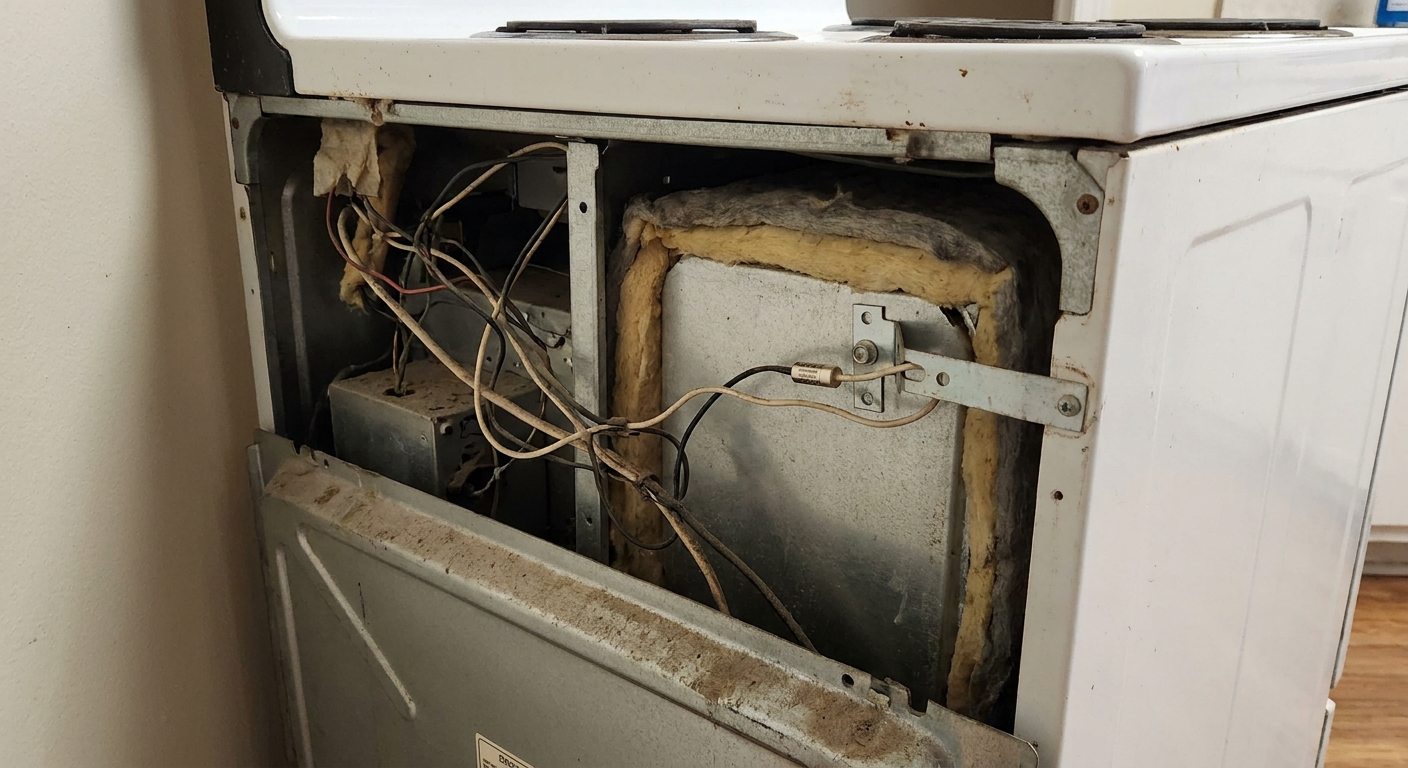
Basic check: With power off, test the fuse or high-limit for continuity. No continuity usually means it tripped or failed.
Temperature sensor: bad readings can block heating
The oven sensor tells the control board the cavity temperature. If it reads wildly wrong, some ovens will refuse to heat or will shut heat down early.
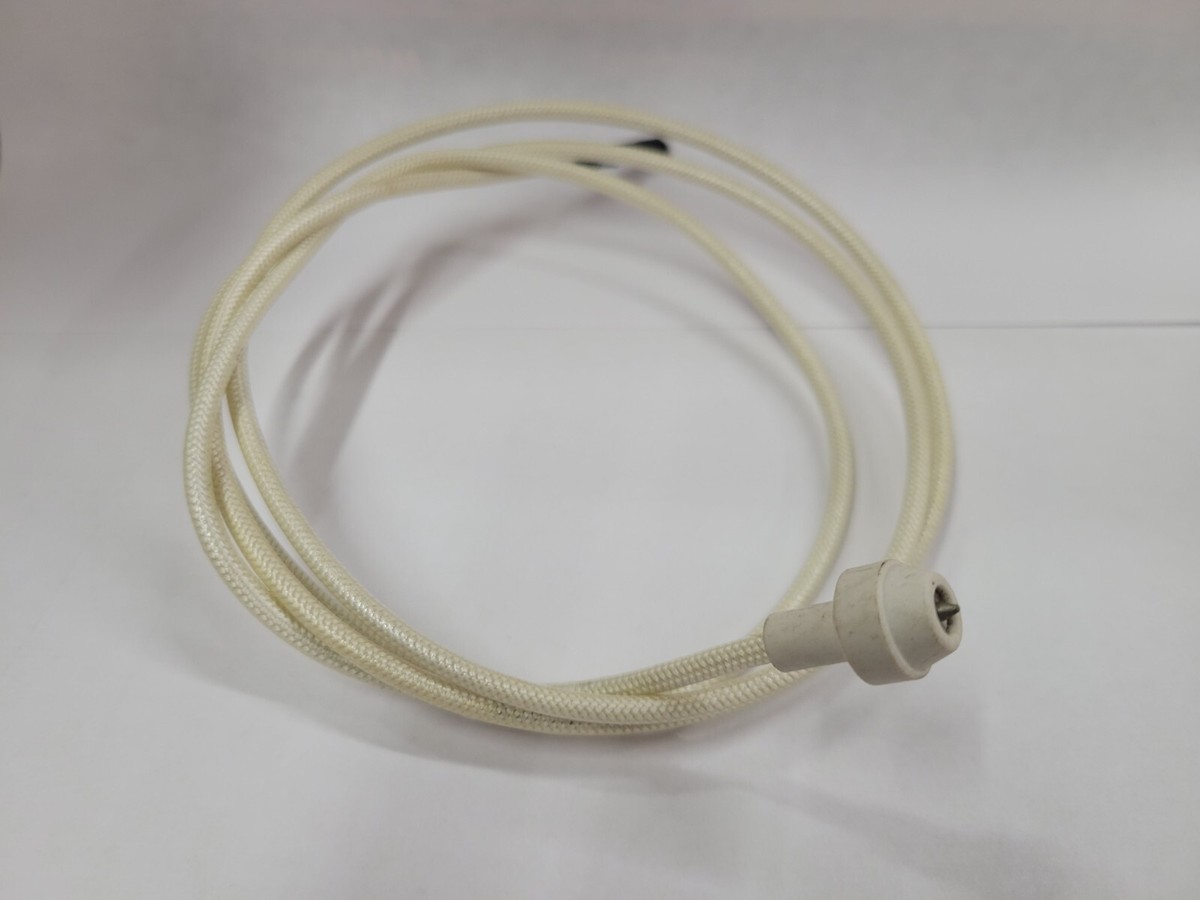
- What it looks like: A thin metal rod sticking into the cavity, usually on the rear wall.
- Typical failure signs: Preheat takes forever, temperature swings badly, or you get sensor-related error codes.
Many sensors can be tested with a multimeter (resistance changes with temperature). Exact target numbers vary by brand, so use your model’s spec if you test it.
Control board or relay: oven “asks” for heat but never delivers
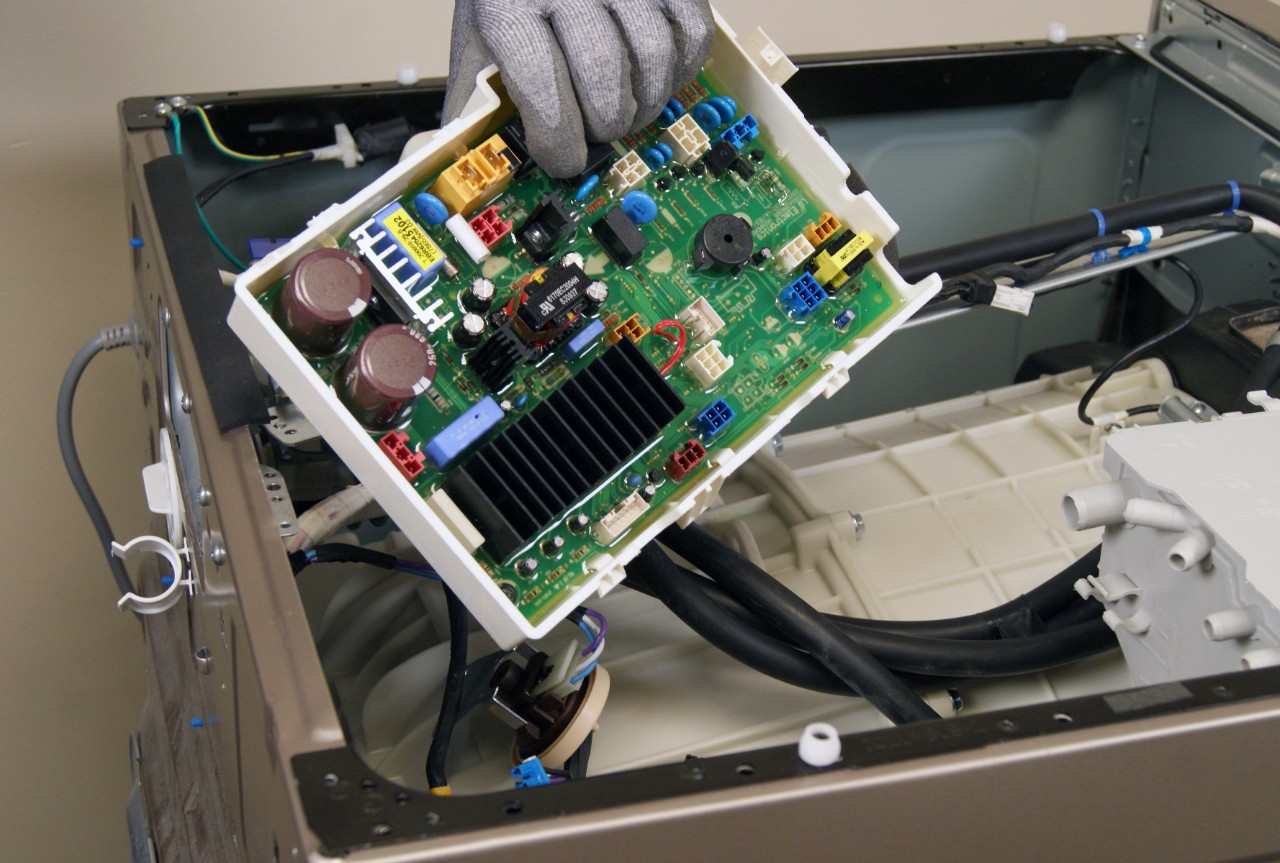
If the bake element and safety devices test good, the next suspect is the control system that sends power to the element. Relays can fail, solder joints can crack, and wiring connections can burn.
- Clue: You hear a relay click, but the element never warms and you have confirmed the element is good.
- What to do: This is often technician territory unless you are comfortable diagnosing circuits. On higher-voltage appliances, I recommend calling it in.
Gas oven: weak igniter is common
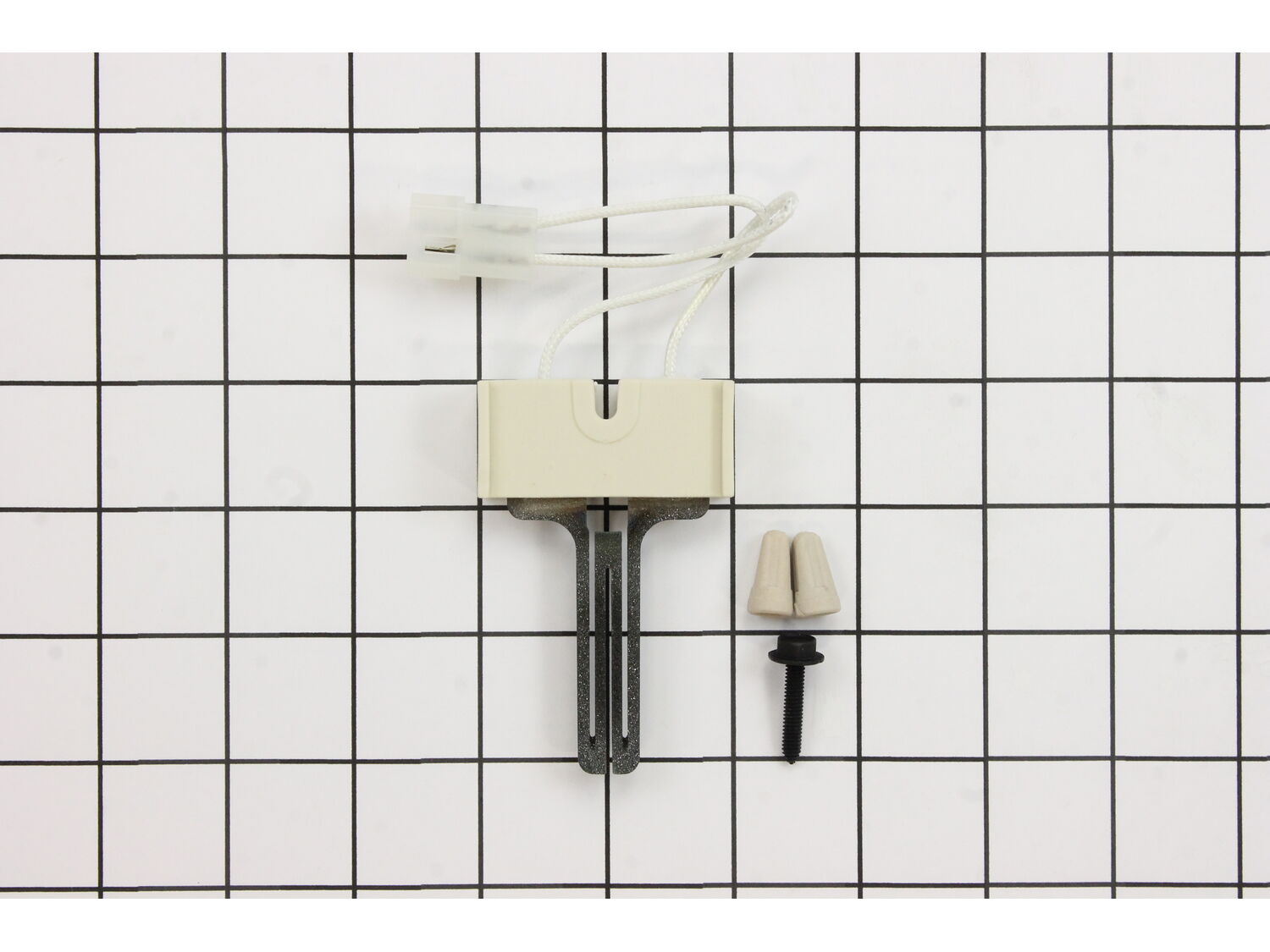
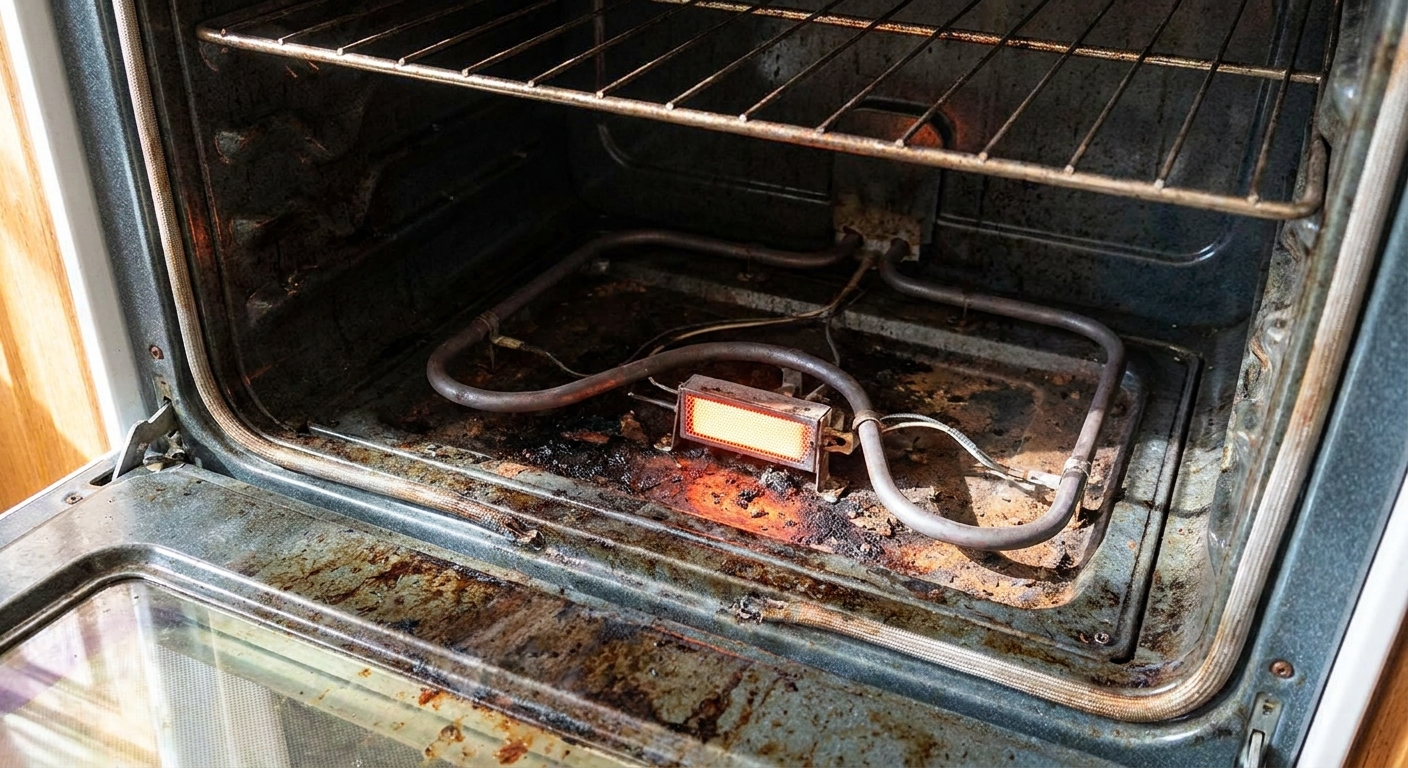
Gas ovens typically use a hot surface igniter (glow bar) for bake. When you set Bake, the igniter should glow bright and the gas valve should open shortly after. If the igniter is weak, it can glow but still fail to draw enough current to open the gas valve. Result: no flame, cold oven, and a whole lot of confusion.
What you should see in bake mode
- Igniter starts glowing within 30 to 90 seconds (varies by model).
- After it gets hot enough, burner lights with a steady flame.
Signs of a failing igniter
- Glows dull orange and never lights the burner.
- Takes a long time to light, then sometimes works, sometimes doesn’t.
- Broil may work while bake does not (separate igniters on some models).
Definitive test (optional)
The most definitive confirmation for a weak igniter is measuring igniter current draw with a clamp meter. That is usually a technician-level step, but it explains why an igniter can glow and still fail.
What about a gas smell?
You should not have a lingering gas smell. If you smell gas for more than a moment and the burner is not lighting, stop troubleshooting, turn the oven off, ventilate, and get help. Gas and repeated ignition attempts are a bad combination.
Other gas-oven possibilities
- Safety valve issues: Less common than igniters, but possible.
- Burner or orifice obstruction: Spills and debris can affect ignition and flame.
- Control/relay problems: The board may not be sending power to the igniter.
Troubleshooting flow
- Confirm symptoms: Display works, bake selected, but cavity stays cold.
- Test broil: Works or not?
- If electric:
- Reset the double-pole breaker fully.
- If comfortable and power is off, check for obvious damage at the terminal block and wiring.
- Visually inspect the bake element (remember some are hidden under the oven floor).
- Test bake element continuity (power off).
- If element is good, test thermal fuse/high-limit continuity (power off).
- If those are good, suspect sensor, wiring, or control board.
- If gas:
- Start Bake and watch for igniter glow (use the window if you have one, and follow your manual).
- If igniter does not glow, suspect igniter, wiring, or control board.
- If igniter glows but no flame after a couple minutes, a weak igniter is the top suspect.
When to stop and call a technician
- You smell gas that does not clear quickly.
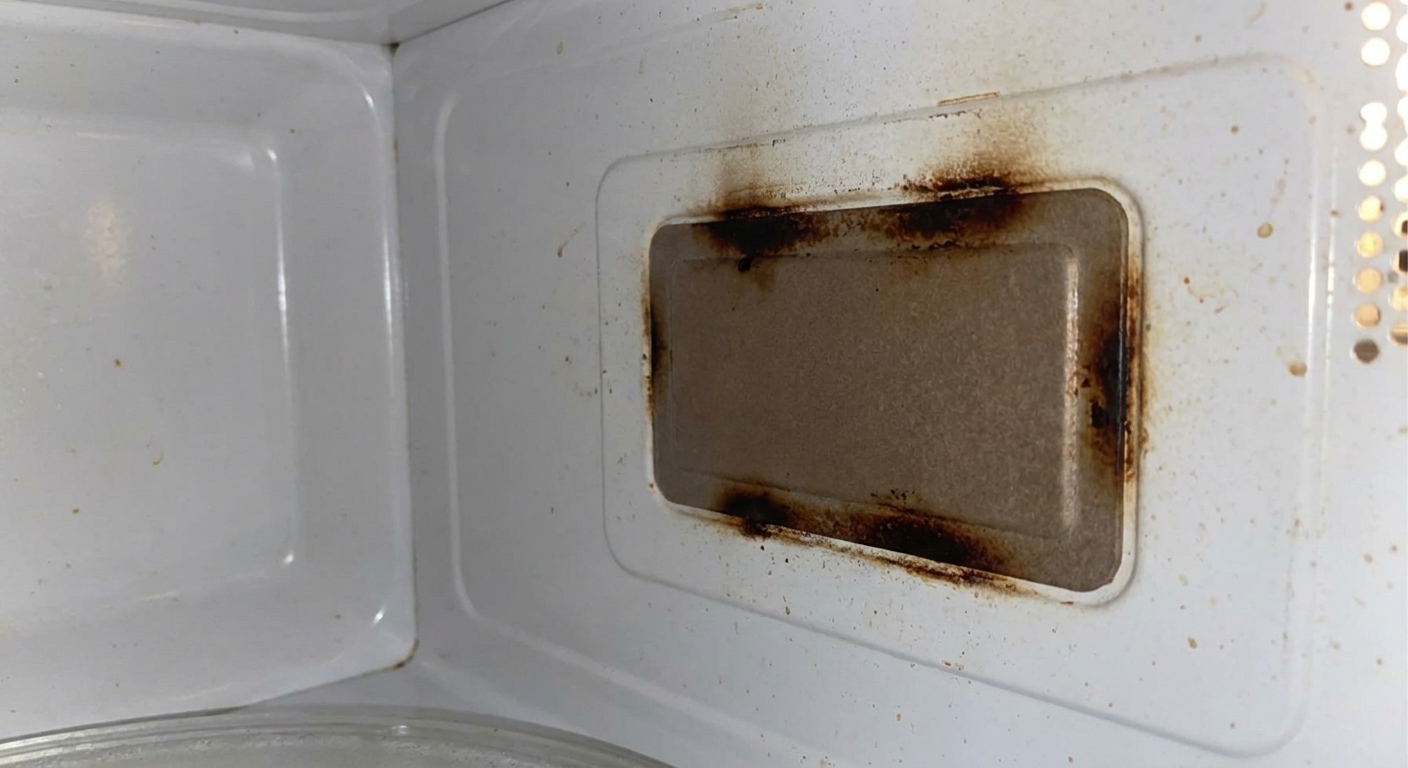
- You see melted, scorched, or brittle wiring anywhere in the range.
- The breaker trips when you start bake or broil.
- You suspect a control board issue and would need to diagnose live voltage.
- You are not 100 percent confident you can reassemble panels and restore safe wire routing and strain relief.
No shame in calling it. I have fixed plenty of ovens myself, and I have also called in help when the failure moved from “replace a part” to “trace high-voltage control logic.”
Tools and supplies
- Multimeter with continuity and resistance settings
- Work gloves (sheet metal edges inside ranges are sharp)
- Nut driver or screwdriver set (common sizes: 1/4-inch and 5/16-inch)
- Needle-nose pliers
- Phone camera for wire reference photos
FAQ
My oven says it’s preheating, but it never gets hot. What does that mean?
It usually means the control is receiving your command, but heat is not being produced or delivered. In electric units that often points to a failed bake element, a blown thermal fuse/high-limit issue, a lost power leg, or a control relay problem. In gas units it often points to a weak igniter that cannot open the gas valve.
The stovetop burners work. Why doesn’t the oven bake?
They are separate circuits and separate parts. A working cooktop does not prove the bake system is healthy.
Can I still cook using broil if bake is broken?
Sometimes, yes, but it is not a great long-term plan. You will fight hot spots, and if the underlying issue is a failing control or wiring problem, you do not want to keep stressing it. Use it cautiously and schedule the repair.
Is it safe to replace a bake element myself?
For most homeowners, yes, as long as you shut off the breaker, confirm power is off, and reattach wires securely. If the wire terminals are burned or the insulation is damaged, stop and have it serviced.