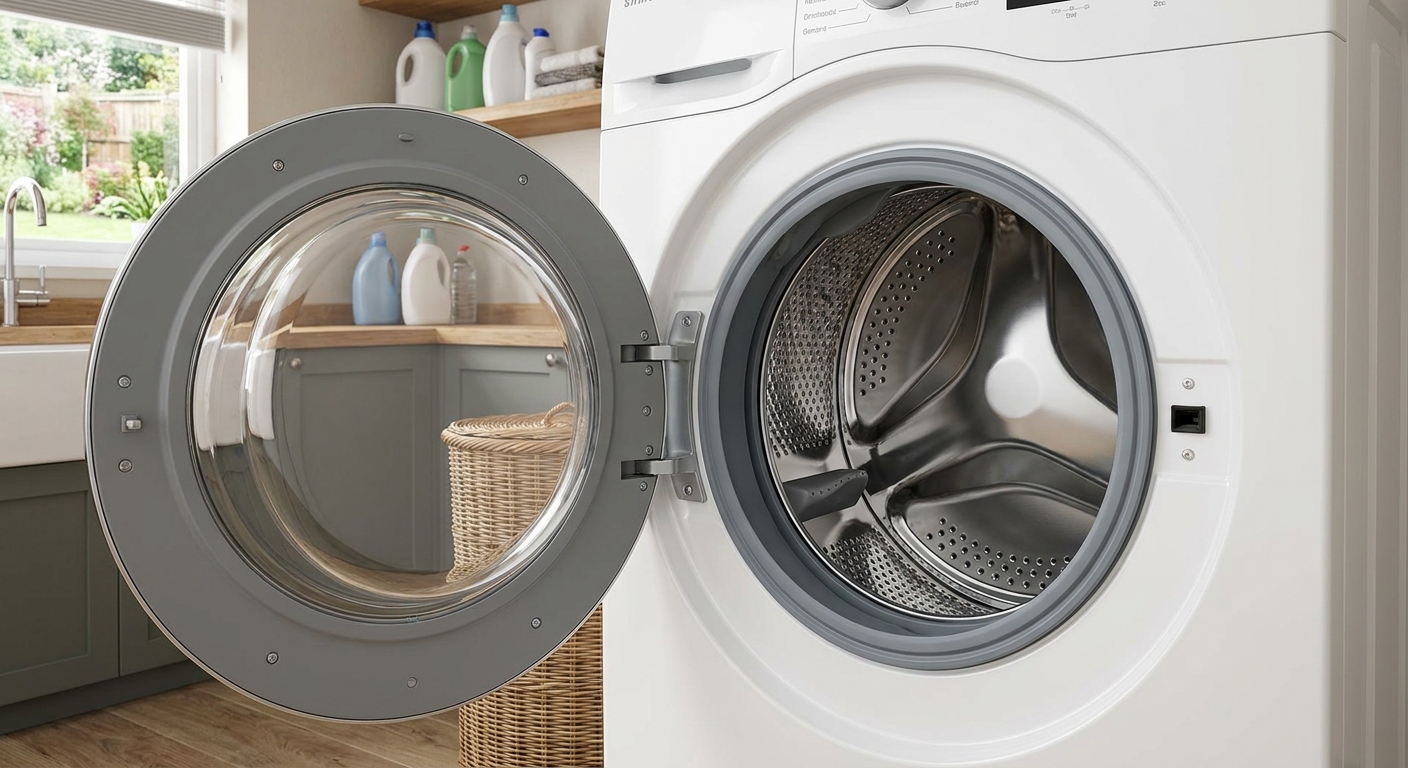
If your front-load washer smells like a wet gym bag (even after you run a load), you are not imagining it. Front-loaders are great at saving water, but that also means they can leave just enough moisture behind to feed mildew and odor-causing bacteria. The smell usually comes from three spots: the rubber door gasket, the drain pump filter area, and detergent residue plus mineral buildup on the inner drum and outer tub.
The good news is you can fix it without any fancy tools. I will walk you through the exact routine I use when a machine stinks, then show you how to keep it from coming back.
Before you start
What you will need
- Rubber gloves
- Old toothbrush or small nylon scrub brush
- Microfiber cloths or paper towels
- Bucket or shallow pan
- Bleach (optional)
- White vinegar (optional)
- Baking soda (optional)
- Washing machine cleaner tablet (optional, but handy)
- A small screwdriver or coin (for some access panels)
Safety and a quick reality check
- Unplug the washer before opening any service panel.
- Never mix bleach with vinegar (or any acidic cleaner). That can create chlorine gas.
- If you see thick, fuzzy growth all around the gasket and you have breathing sensitivities, wear a mask and ventilate the room.
- If you use bleach or vinegar, check your washer manual and the product label. Some manufacturers discourage certain cleaners, or want them used sparingly.
Step 1: Deep-clean the rubber door gasket
The gasket is enemy number one. It traps water in the folds, plus it catches lint, hair, and detergent sludge. That gunk is basically a buffet for mildew.
1) Pull back the folds and remove debris
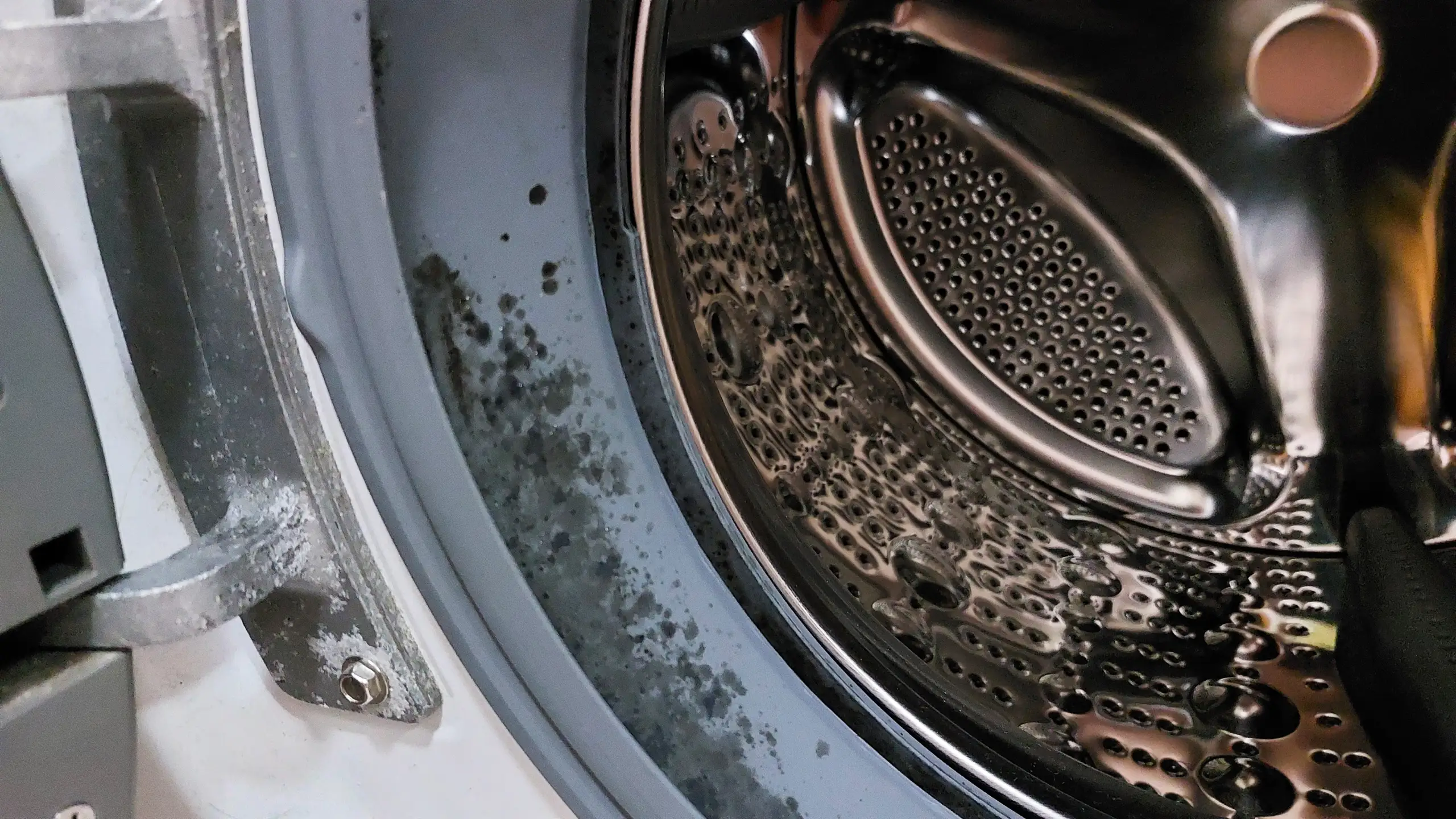
Open the door. With gloved hands, gently pull the gasket lip back and work your way around the full circle. You are looking for:
- Black spots or slimy buildup
- Lint and hair
- Coins, bobby pins, and that one sock that escaped physics
Wipe out everything you can with a dry towel first. Getting the loose crud out makes your cleaner work better.
2) Scrub the gasket with the right cleaner
You have a couple solid options. Pick one and stick with it for this cleaning session.
- Bleach solution (best for visible mildew): Follow your washer manual and the bleach label. For a gentle spot-treatment, a common approach is about 4 teaspoons of household bleach per quart of water. Dip a cloth or toothbrush and scrub the stained areas. Let it sit 5 to 10 minutes, then wipe clean with plain water. Bleach can discolor fabrics and may accelerate rubber wear over time, so keep it targeted and rinse well.
- Vinegar (good for deodorizing and residue): Spray straight white vinegar onto the gasket folds. Scrub, let it sit 10 minutes, then wipe and rinse with water. Check your manual first, since some brands advise limiting vinegar use to protect certain rubber parts.
- Mild dish soap and warm water: Good for heavy slime where you want less harsh chemistry. Scrub, then rinse thoroughly.
Pro tip: If the smell is brutal, it is usually because the gasket has both mildew and detergent sludge. In that case, I start with warm soapy water to break up grime, rinse, then follow with either vinegar or a dilute bleach wipe. Just do not combine products in the same step, and rinse between products.
3) Dry it like you mean it
Dry the gasket folds with a clean towel. Take an extra minute here. Leaving moisture behind is how the smell wins the rematch.
Step 2: Clean the drain pump filter
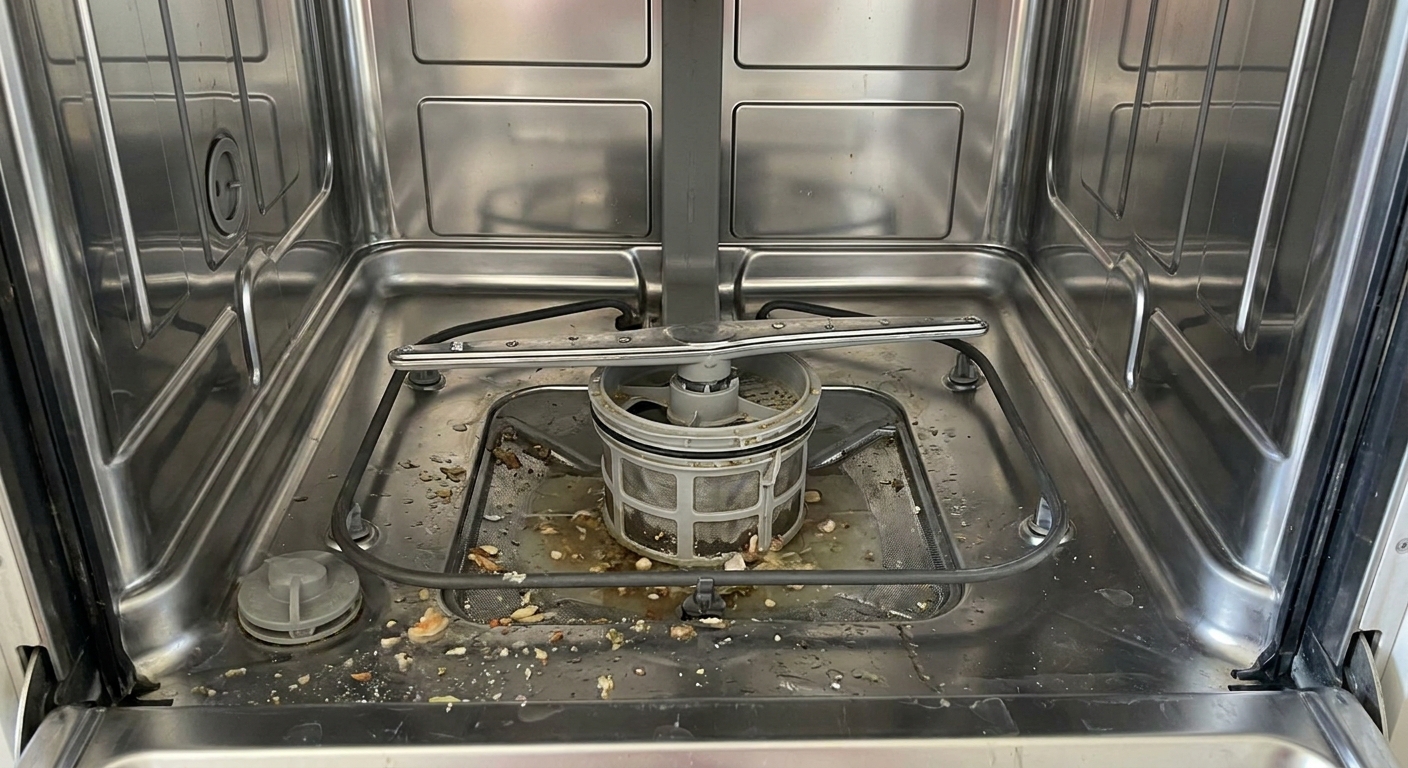
If your washer still smells after cleaning the gasket, the drain pump filter is usually the culprit. This filter traps lint, hair, and small objects. It also holds a little water. Over time, that water can turn swampy.
1) Find the access door
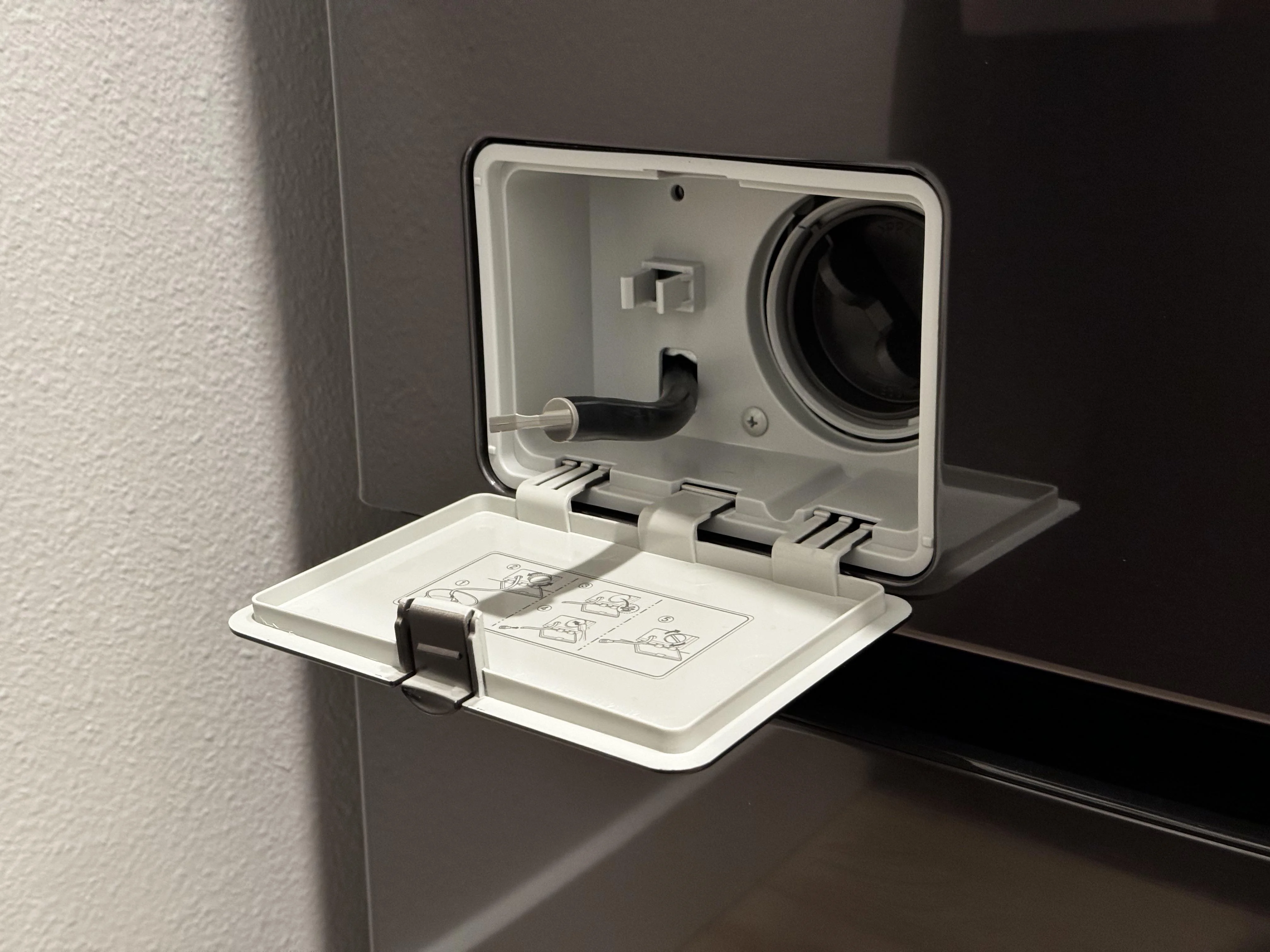
Most front-loaders have a small panel at the lower front. Pop it open and you will typically see:
- A round filter knob
- A small drain hose (on many models)
2) Drain the trapped water first
Put a shallow pan under the area and layer a couple towels around it. This part can get messy fast.
If your washer has the little drain hose, pull it out, remove the cap, and let it drain into a container.
No hose? You can crack the filter loose slowly and let water trickle out, but be ready. It can come out fast if the machine is holding residual water.
3) Remove and clean the filter
Unscrew the filter (usually counterclockwise). Pull it out and clean it in the sink with hot water and a brush. Remove all lint, hair, and any objects.
4) Clean inside the filter cavity
Reach in carefully with a flashlight and a rag. Wipe out sludge. You may see the pump impeller inside. It should turn with a gentle nudge, although it may feel a bit notchy or stepwise on some models. The key is that it is not jammed by a hair tie, coin, or small object.
Reinstall the filter snugly, close the hose cap (if you have one), and close the access panel.
What you just prevented: musty odor, slow draining, and the dreaded “washer full of water” surprise.
Step 3: Sanitize the drum and flush the outer tub
Even if the drum looks clean, the outer tub (the part you cannot see) can be coated in detergent residue, fabric softener film, and minerals from hard water. That buildup holds odors. The goal here is to dissolve gunk and kill what is living in it.
Option A: Use a washer cleaner tablet
This is the simplest approach and it is hard to mess up.
- Make sure the washer is empty.
- Add the tablet to the drum (not the dispenser, unless the product says otherwise).
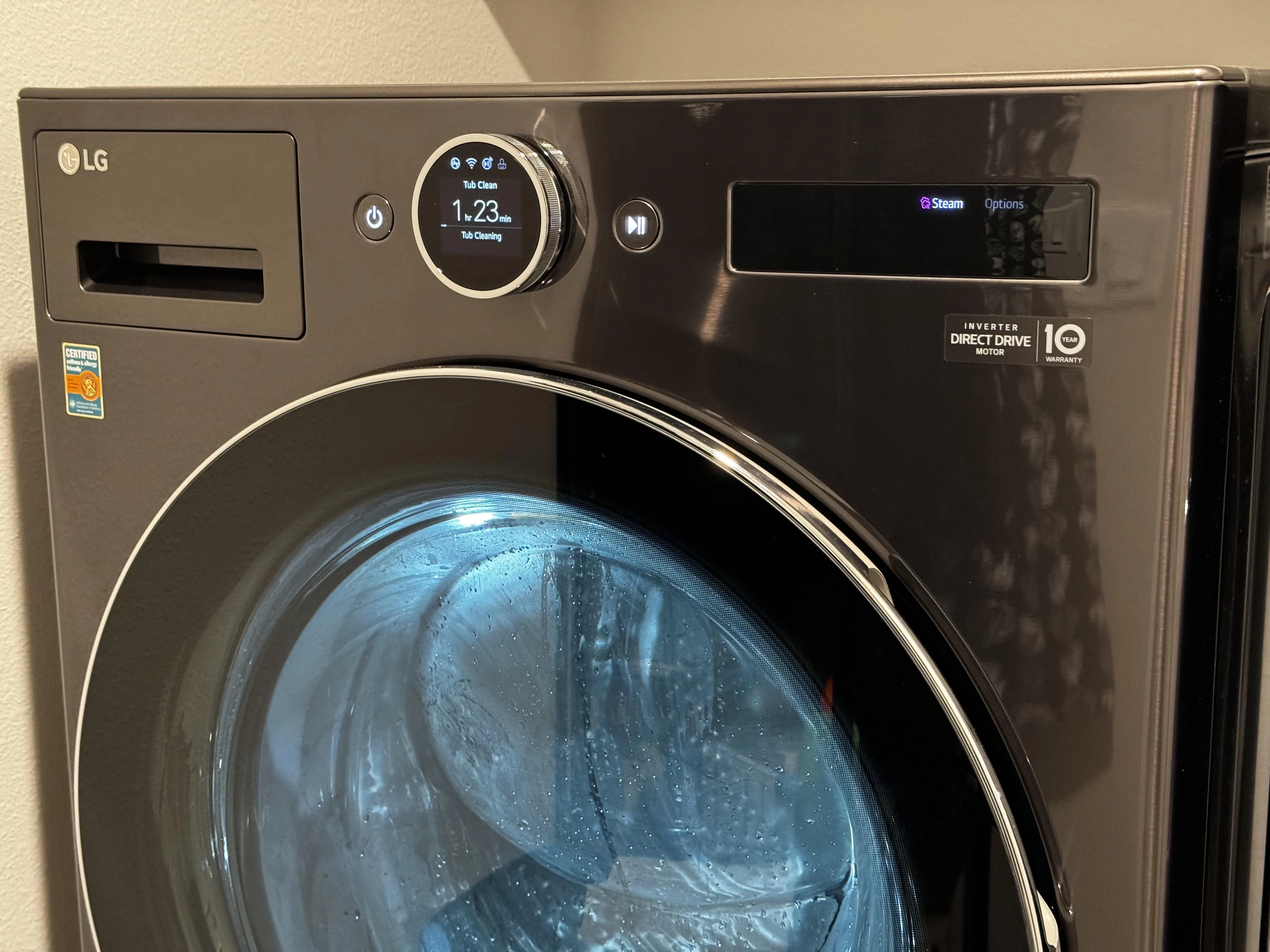
- Run the machine’s Tub Clean or Clean Washer cycle.
- If your machine does not have one, run the hottest, longest cycle available.
Option B: Bleach sanitize cycle
- Make sure the washer is empty.
- Add bleach to the dispenser in the amount your manual allows. Many machines allow roughly 1/2 cup to 1 cup, but the manual wins.
- Run a hot cycle or sanitize cycle.
- Run an extra rinse if your machine has that option.
Option C: Vinegar and baking soda flush
Some people love this method for routine maintenance. It is not my pick for heavy mold staining, but it can help with smells and residue. Check your manual first, since some brands advise limiting vinegar use.
- Run a hot cycle with 2 cups of white vinegar added to the drum.
- After it fills and agitates for a few minutes, pause it for 30 minutes (if your washer allows) to soak, then finish the cycle.
- Run a second short hot cycle with 1/2 cup baking soda in the drum.
Important: Do not use vinegar in the same cycle as bleach.
Step 4: Clean the detergent drawer
Detergent and softener drawers get slimy, and that slime can stink. It also reintroduces funk into every load.
1) Remove the drawer
Most drawers pull out and have a small tab you press to fully remove them.
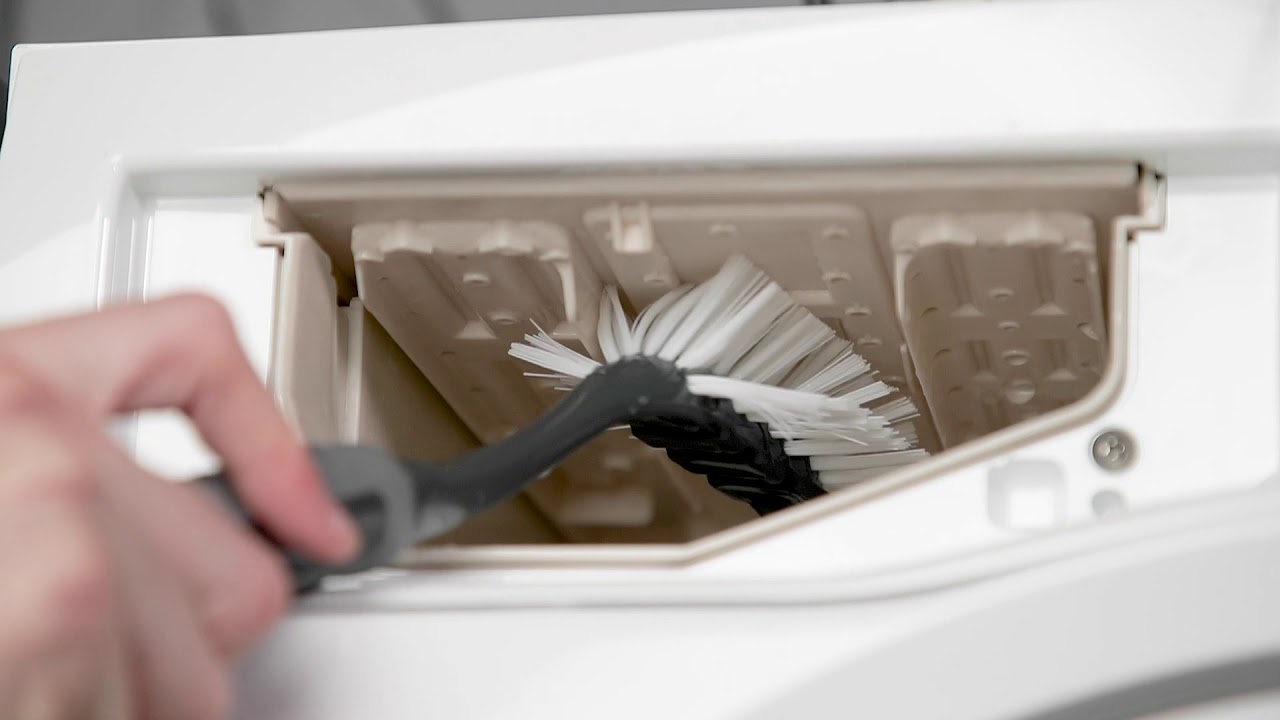
2) Scrub and rinse
Soak the drawer in hot, soapy water. Scrub corners with a toothbrush. Rinse well.
3) Wipe the drawer cavity
Use a damp cloth to wipe inside the drawer opening and the top channel area where water flows in. If you can see black slime, scrub it away.
Step 5: Fix the habits that cause the smell
Once you have cleaned everything, keeping it fresh is mostly about moisture control and using the right amount of soap.
- Leave the door cracked open after loads to let the gasket dry. I keep a small towel nearby and wipe the gasket quickly while I am at it.
- Leave the detergent drawer slightly open so the dispenser area can dry too.
- Use HE detergent only if your machine requires it. Non-HE soap can oversuds and leave residue behind.
- Use less detergent than you think. Modern HE detergent is concentrated. Too much creates residue and that residue traps odor. If you see lots of suds in a normal cycle, you are likely overdoing it.
- Skip fabric softener if odors keep returning. It leaves a coating in the tub and on clothes. If you need softness, try dryer balls instead.
- Run a tub clean monthly if you wash frequently or use cold cycles often.
- Do not leave wet clothes sitting. That smells up the machine fast.
If it still smells
The smell comes back in a few days
- You likely missed moisture in the gasket folds, or the detergent drawer channel is still slimy.
- Run another hot tub clean cycle and be strict about leaving the door open after every wash.
You get a rotten egg or sewer smell
- That can be a drain issue, not just the washer. A partially clogged standpipe or siphoning problems can send odors back toward the machine.
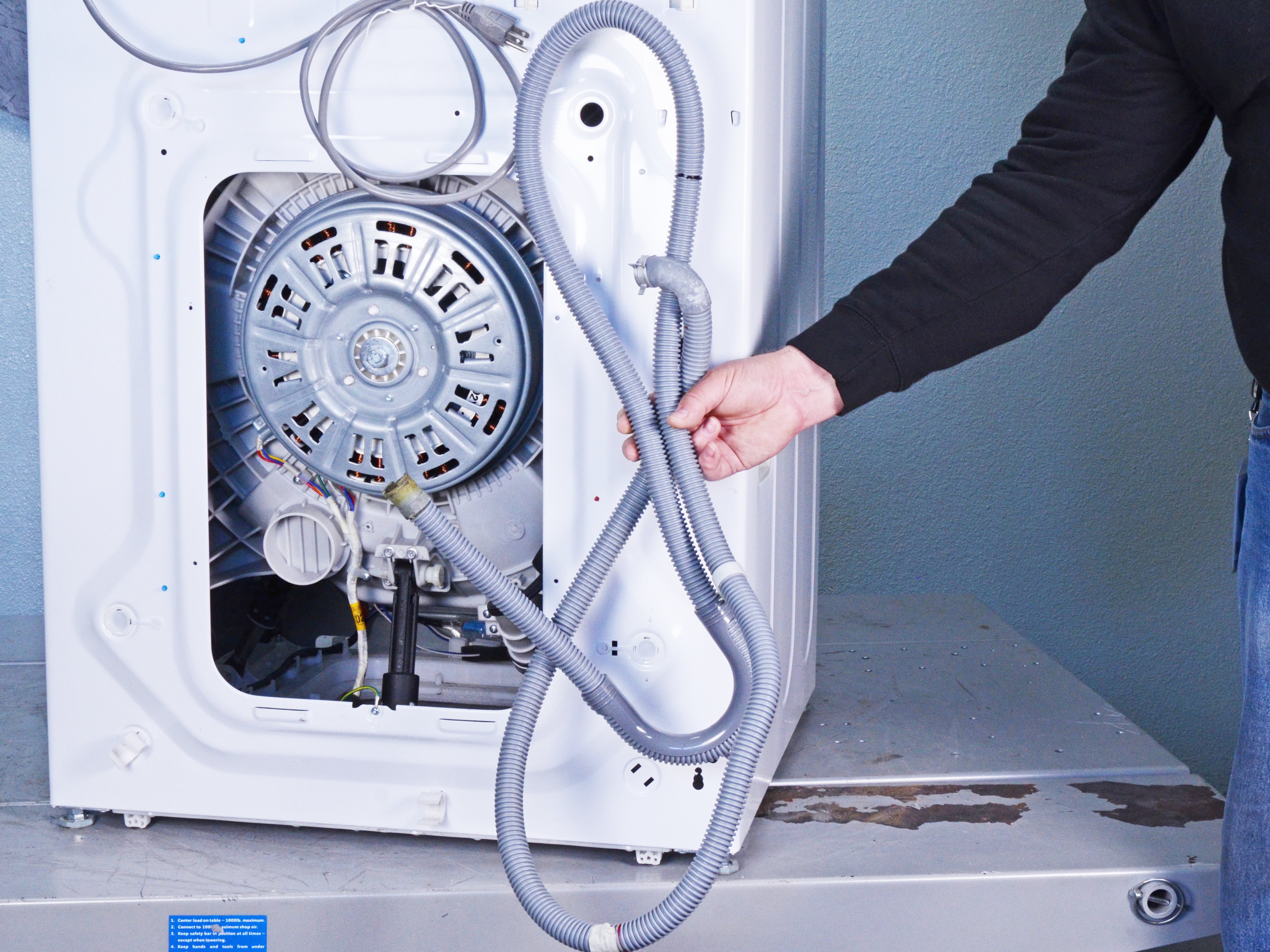
- Biofilm in the drain hose can also smell. If everything else is clean, consider removing and rinsing the drain hose (or replacing it if it is gross).
- If the laundry area has a trapped drain, a dry trap can let sewer gas in. Running water in nearby fixtures can refill traps. If plumbing odors persist, consult a plumber.
- Check that the drain hose is installed at the correct height and not shoved too far down the standpipe.
Odor plus poor draining
- Recheck the drain pump filter and look for kinks in the drain hose.
- If the pump is noisy or not moving water well even with a clean filter, the drain pump itself may be failing. Check your manual for error codes and service steps.
Visible black staining that will not scrub off
- Some gaskets get permanently stained, even after the mildew is dead. If the rubber is cracked, warped, or smells even after repeated cleaning, replacement is often the real fix.
Quick maintenance routine
- Wipe the gasket dry after laundry day.
- Check the gasket folds for lint and hair.
- Keep the door and drawer cracked open between uses.
And once every month or two, depending on use:
- Clean the drain pump filter.
- Run a tub clean cycle.
- Quick-check the drain hose for gunk or odor, especially if you have had sewer-like smells.
Front-load washers do not have to smell. They just need a little routine love, kind of like a shower that nobody squeegees. Do the deep clean once, then keep up with the quick stuff, and that mildew odor usually stays gone for good.